Introduction: Pork is a common meat product in daily life, and there are many ways to prepare it, such as stewing, stir-frying, and steaming. Different parts also have different names, such as pork shoulder, pork leg, and pork belly. Today, we will introduce pork belly. So, what are the characteristics of pork belly?
Braised Pork Belly with Tofu
Characteristics of High-Quality Pork Belly:
1. Proper Fat-to-Meat Ratio. Pork belly is characterized by alternating layers of fat and meat. The ratio should be appropriate for a perfect texture that is neither too greasy nor too dry.
2. Springy Texture. When gently pinched or pressed, good pork belly should be elastic. The pork skin should be fine-textured, neither too dry nor too greasy.
3. Bright Red Color. Fresh pork belly should be bright red. If the color is abnormal, do not buy it.
4. Lustrous Appearance. A lustrous appearance indicates freshness. If it's too dark, it's likely not fresh; if it's too vibrant, it may have been artificially treated.
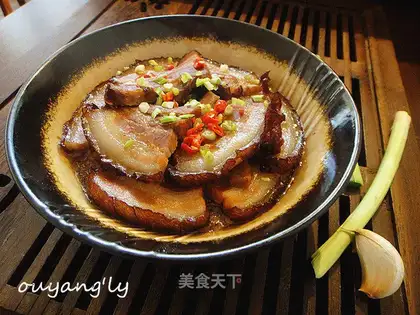
Steamed Pork Belly with Preserved Vegetable
Characteristics of Inferior Pork Belly:
1. Uneven Fat Distribution. The fat in pork belly should be distributed in distinct layers. This ensures a mixed texture in every bite. If the fat is unevenly distributed, a bite might be all grease or all lean meat.
2. Soft and Lacks Elasticity. Pork belly that is soft, flabby, and has lost its elasticity is definitely not fresh. Be cautious when purchasing.
3. Pale or Dark Red Color. Pork belly that is overly pale and feels wet, or is too dry and appears dark red, is of poor quality and should be avoided.
4. Strong Foul Odor. Normal pork belly should not have a strong, unpleasant smell. If it does, the meat is likely spoiled.
Pan-Fried Pork Belly
 Five flowers and tofu
 I'll make some meat
 Plumsy saffron