Introduction: Recently, a U.S. health magazine published an article summarizing that for different foods, finding the right way to eat them can maximize their nutritional value.
Food types are numerous and complex, with a variety of functions. Some are warriors that fight diseases, while others are scavengers for our bodies... Recently, a U.S. health magazine published an article summarizing that for different foods, finding the right way to eat them can maximize their nutritional value.
1. Lemon: Soaked in green tea to fight cancer. One lemon can meet your daily vitamin C intake needs, and also helps increase levels of high-density lipoprotein cholesterol, commonly known as "good" cholesterol, preventing cholesterol from accumulating in arteries and strengthening bones. Lemons contain citrus flavonoids, which can help inhibit the growth of cancer cells and have anti-inflammatory effects. A study found that lemon can enhance the body's ability to absorb antioxidants from tea. It is recommended to slice the lemon and put it in green tea to drink, which can maximize its therapeutic effects.
Lemon Black Tea
2. Broccoli: Quick-fry over high heat for strong bones. A medium-sized broccoli contains more than twice your daily requirement of vitamin K, and its vitamin C content is almost twice the daily recommended dose. Both vitamin C and vitamin K are essential nutrients for bone strength. Studies have found that eating more broccoli also helps prevent various cancers. When cooking broccoli, it is recommended to stir-fry it quickly over high heat, which can retain 90% of its vitamin C, whereas steaming or boiling only preserves 66% of its nutrients.
3. Chocolate: Dark chocolate can lower blood pressure. For those with high blood pressure but otherwise healthy, about 10 grams of chocolate per day can help lower blood pressure. Cocoa powder is rich in flavonoids and antioxidants, which can lower "bad" low-density lipoprotein cholesterol and increase "good" high-density lipoprotein levels. It should be noted that a piece of dark chocolate contains about 53.5 milligrams of flavonoids; milk chocolate contains less than 14 milligrams, so dark chocolate has higher therapeutic value.
Shrimp Stir-fried with Broccoli
4. Potatoes, Sweet Potatoes: Eating them cold helps control weight. A potato contains 66 micrograms of folate, which promotes cell generation, equivalent to the amount in a whole broccoli. The vitamin A in a sweet potato, which has anti-cancer and immune-boosting properties, is almost 8 times your daily requirement. Try to eat potatoes and sweet potatoes after they have cooled, as research shows this can activate the effect of resistant starch, allowing you to burn 25% more fat after a meal.
It should be noted that people with poor digestion should eat fewer cold potatoes and sweet potatoes because they can be difficult to digest.
5. Walnuts: Eat after a meal to regulate sleep. Walnuts have the highest omega-3 fatty acid content of all nuts, which helps lower cholesterol. Omega-3 fatty acids have been proven to improve mood and prevent cancer, and can also prevent sunburn. Eating a few walnuts after a meal, the antioxidant melatonin in them helps regulate sleep.
Crystal Walnuts
6. Avocado: Add to salad for heart health. A study has shown that avocados are rich in healthy fats and can lower cholesterol by about 22%. One avocado contains more than half of your daily fiber requirement and over 40% of your folate requirement, which can reduce your risk of heart disease. Adding avocado to your salad can increase the absorption of major nutrients like beta-carotene by 3 to 5 times compared to a salad without it.
7. Spinach: Juiced for eye health. Spinach contains lutein and zeaxanthin, two immunity-boosting antioxidants that are very important for eye health. Recent research found that among anti-cancer fruits and vegetables, spinach is the most effective. Spinach has a very mild flavor and can be blanched in water, then juiced and mixed with various fruit juices or drinks.
Old Vinegar Spinach
8. Garlic: Raw to inhibit bacteria and inflammation. Garlic has powerful anti-disease properties and can inhibit the growth of bacteria, including E. coli. Allicin, a compound found in garlic, has been proven to have strong anti-inflammatory effects and helps lower cholesterol and blood pressure. Garlic loses its important nutrients if heated for more than 10 minutes, so do not overcook it. Fresh garlic paste releases the most allicin.
9. Beans: Darker beans are anti-aging. Eating beans four times a week, such as soybeans, black beans, fava beans, and peas, can reduce the risk of heart disease by 22%. The same eating habit can also reduce the risk of breast cancer. The darker the bean, the more antioxidants it contains. A study found that the antioxidants in the skin of black beans are 40 times higher than those in white bean skins, which can slow down the body's aging process.
Soybean and Pig's Trotter Soup
 lemon black tea
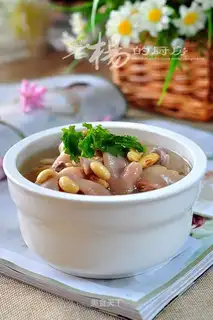 Soybean hoof soup
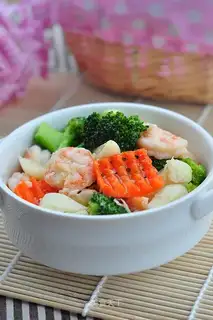 stir-fried shrimp with broccoli
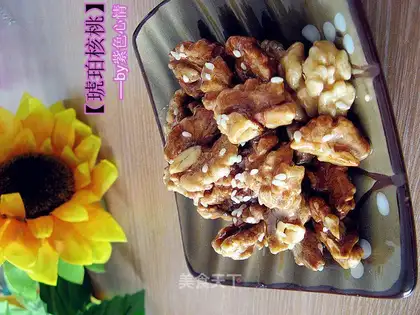 Amber walnut
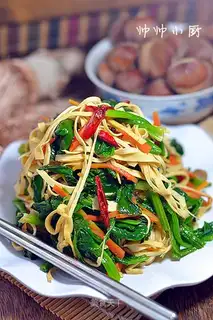 Old vinegar spinach