Introduction: Whether in the eyes of nutritionists or in the hearts of housewives, eggs are one of the finest ingredients. They are not only nutritious but also a "versatile ingredient" suitable for various cooking methods such as steaming, boiling, frying, and stir-frying. However, what are the tips for cooking eggs?
For boiled eggs, simmering for 3 minutes over low heat is just right. The eggs should be placed in cold water, heated slowly, and then simmered over low heat for 3 minutes after the water boils. After turning off the heat, let them soak for another 5 minutes. This method results in tender egg whites, firm but not overcooked yolks, optimal protein denaturation, and easy digestibility. In contrast, eggs boiled for more than 10 minutes not only become tougher in texture but also lead to significant vitamin loss and make the protein harder to digest.
Boiled Egg
For scrambled eggs, add two "secret ingredients" when beating the eggs. By adding two "secret ingredients" while whisking the egg mixture, you can easily make perfect scrambled eggs. The first is cooking wine; this not only allows you to use less oil but also makes the eggs more tender and flavorful. The other secret ingredient is water. When beating the eggs, add water and whisk them together. Cook over low heat in a pan, and the scrambled eggs will have a particularly tender texture and are less likely to stick to the pan. Generally, for 5 eggs, add about 5 grams of cooking wine and 50 grams of water.
For steamed egg custard, adding a little milk makes the texture smoother. Beat the eggs into a bowl, then slowly add a moderate amount of warm water while whisking until a 1-centimeter layer of bubbles appears on the surface. Note: do not whisk vigorously, as this will create excessive foam, causing water and the custard to separate after steaming. Place the steaming bowl in the steamer only after the water is boiling. It's best to use medium or low heat for steaming; about 8 minutes after the water starts boiling is ideal. Seasonings like soy sauce, salt, and chopped green onions should be added after the custard is cooked. Additionally, adding a little milk during the steaming process will make the custard smoother and more nutritious.
Milk Steamed Egg
For poached eggs, adding a little vinegar makes them tender. Add a small amount of vinegar (not salt) to the water. After the water comes to a boil, maintain a gentle simmer (not a rolling boil). Crack the egg into the water and cook for 3-4 minutes, then remove. This method yields a more tender poached egg. For savory poached eggs, you can add ingredients like tomatoes or greens. For sweet versions, you can add sweet fermented rice, red dates, or goji berries.
For fried eggs, adding a little flour improves the color. First, heat the pan and add a tiny bit of oil. Then, crack the egg into the pan and reduce the heat to low. After about 1 minute, when the egg white begins to set, sprinkle two small spoonfuls of hot water over the egg, immediately cover the pan, and fry for another 2 minutes. This will result in a fresher, more tender, and safer fried egg. Furthermore, when frying eggs at high temperatures, oil can splatter. Adding a little flour to the hot oil not only prevents splattering but also gives the fried egg a nicer color.
Dried Shrimp Fried Egg
For omelets, medium heat is best for nutrition. Pour a small amount of oil into a wok and heat over high heat. Use a spatula to evenly coat the bottom of the wok with oil. Once the oil is hot, pour the beaten egg mixture in a circular motion along the oiled edge of the wok, quickly filling any gaps. Avoid using high heat when making omelets, as it will cause excessive nutrient loss. However, the heat should not be too low either, as a longer cooking time will cause more moisture loss, resulting in a dry omelet that affects the texture. Therefore, medium heat is ideal for making omelets.
Scallion Omelet
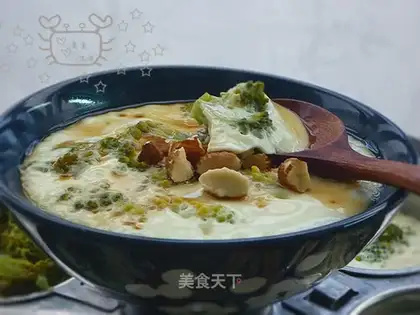 Milk steamed eggs
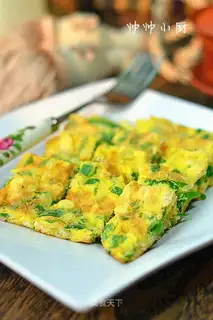 Shrimp leather fried eggs
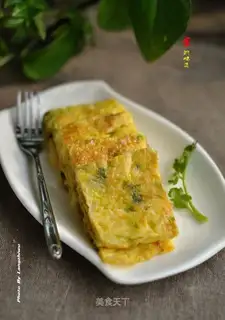 Onion bouquet eggs
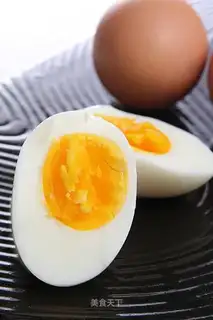 Cook eggs