Introduction: In summer, a wide variety of fresh fruits and vegetables flood the market, often causing people to overlook beans. In fact, many beans also ripen in summer, and different types vary in nutritional value. Don't underestimate these small beans; their benefits are significant. Follow us to discover the special health benefits of beans for summer wellness.
Edamame is the king of dietary fiber. Edamame is rich in plant protein, and it's also exceptionally high in potassium, magnesium, and B vitamins. More notably, the dietary fiber content of fresh edamame is as high as 4.0%, making it the champion of fiber among vegetables, which helps in controlling blood sugar and blood lipids. Furthermore, eating edamame in the summer can help prevent malnutrition, heatstroke, and other issues caused by excessive sweating and loss of appetite. Edamame can be boiled in its pod or used in stir-fries, such as Stir-fried Chicken with Edamame.
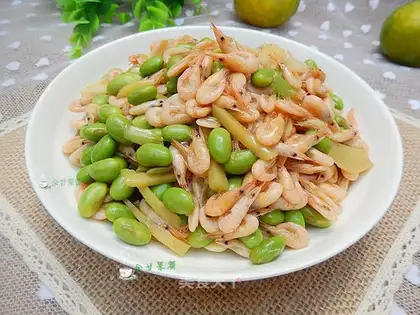
Braised River Shrimp with Edamame
Lima beans are the calcium champion. Every 100 grams of shelled lima beans contain 349 milligrams of calcium, nearly twice that of soybeans. Lima beans are also rich in dietary fiber, and their potassium content is higher than red beans. Therefore, eating lima beans in the summer is an excellent way to supplement minerals. Lima beans can be boiled and made into snacks, such as Spiced Lima Beans, or used to stew pork ribs, adding flavor and cutting through the richness.
Pea improves eyesight. According to the "China Food Composition Table," every 100 grams of peas contains 0.49 milligrams of vitamin B1, three times more than edamame. Since hot weather causes sweating, which leads to the loss of some B vitamins, peas are very suitable for summer consumption. Peas contain large amounts of carotene and lutein, which are very beneficial for protecting the optic nerve and improving eyesight. Fresh peas are available in the spring; the dried peas available now can be used to congee or ground into flour to make pastries.
Salted Peas
Fava beans are brain-healthy. Fava beans are nutritious, rich in dietary fiber, calcium, potassium, carotene, and other health-beneficial nutrients. They also contain lecithin, an important component of brain and nerve tissue, and rich choline, which can enhance memory and nourish the brain. Fava beans also have the effects of replenishing Qi, strengthening the spleen, promoting urination to reduce edema, and are especially suitable for the hot and humid summer. Young fava beans can be eaten directly after boiling, while older fava beans can be used to cook rice or make congee.
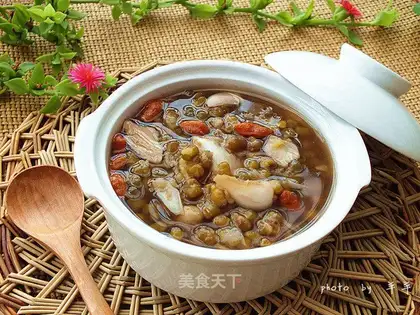
Goji Berry and Lily Bulb Mung Bean Congee
Red beans reduce swelling and dampness. From a Traditional Chinese Medicine perspective, red beans are neutral in nature and sweet and sour in taste, with the effects of strengthening the spleen to promote urination, clearing heat and removing dampness, and reducing swelling and detoxification. In summer, the body is prone to edema, and eating red beans is a good food therapy method for reducing swelling. Modern research shows that red beans are rich in various nutrients such as dietary fiber, potassium, and B vitamins. Red beans can be cooked with rice to make red bean rice, or used as a filling for staple foods, such as red bean buns.
Rose Red Bean Paste
 ♪
♪ Shrimp beans
 Fresh fish
 Flybird couple cake