Introduction: Garlic has been used since ancient times as a natural antiseptic and is known as a "natural antibiotic." Modern pharmacological research has found that the sulfur-containing compounds in garlic have a remarkably strong antibacterial and anti-inflammatory effect, inhibiting and killing various cocci, bacilli, fungi, and viruses. It is currently the strongest antibacterial agent found among natural plants. Eating garlic in the summer is highly beneficial.
What are the nutritional values of garlic? Garlic, also known as garlic bulb, single-clove garlic, foreign garlic, or vegetable, is the bulb of the plant *Allium sativum* from the Liliaceae family. For thousands of years, garlic has been a common condiment on our dining tables. However, in countries like China, Egypt, and India, garlic is not only a common seasoning but also a medicinal herb. Legend has it that Hua Tuo, during the Three Kingdoms period, used garlic juice and wine to treat parasitic infections. In China, the medicinal use of garlic was first recorded in the *Bencao Jingji Zhu* and is also included in the *Bencao Gangmu*. Traditional Chinese Medicine (TCM) believes that garlic is pungent in taste and warm in nature, and it acts on the spleen, stomach, lung, and large intestine meridians. It functions to warm the middle jiao, promote qi circulation, aid digestion, and detoxify while killing parasites. It is used for conditions such as epigastric pain, abdominal cold pain, carbuncles and sores, pulmonary tuberculosis, dysentery, diarrhea, intestinal parasites, influenza, and crab poisoning. The *Bencao Yanyi* describes it as "being hot in nature, good at dispersing, and effective at breaking down meat, which is why people enjoy eating it, especially during the summer months."
Jinxiang Garlic
Garlic has been used since ancient times as a natural antiseptic and is known as a "natural antibiotic." Modern pharmacological research has found that the sulfur-containing compounds in garlic have a remarkably strong antibacterial and anti-inflammatory effect, inhibiting and killing various cocci, bacilli, fungi, and viruses. It is currently the strongest antibacterial agent found among natural plants. When garlic is eaten or crushed, allicin from the garlic cloves and alliinase from different parts of the garlic react to form allicin, which has a potent bactericidal effect. Allicin is lethal to many bacteria, molds, and protozoa. Eating a few cloves of garlic daily can effectively prevent summer respiratory and infectious digestive diseases. If symptoms of gastroenteritis such as abdominal pain, diarrhea, fever, and thirst occur due to unclean food during the hot summer months, drinking garlic and purslane soup can help clear heat, detoxify, cool the blood, and stop dysentery. Garlic can be eaten raw, but it should not be heated at high temperatures. Reports have indicated that the pharmacological activity of garlic is significantly reduced after being heated at high temperatures.
The U.S. National Cancer Institute considers garlic to be the top plant with anti-cancer potential worldwide. Chinese researchers investigating in Cangshan County, Shandong—a famous garlic-growing region—found that local residents often eat garlic with their meals, and their stomach cancer mortality rate is the lowest in the province. This discovery sparked the researchers' interest, and through in-depth study, they finally uncovered the secret of garlic's cancer-prevention and anti-cancer properties.
Garlic is rich in selenium, an anti-cancer agent with strong antioxidant properties. It accelerates the decomposition of peroxides in the body, protects cell membranes from damage by peroxides, and at various stages, inhibits, blocks, and eliminates the oxidative toxicity of free radicals on body tissues. Garlic also contains a remarkable substance—organic germanium, and it is the food with the highest content of germanium in daily diets. Organic germanium is a maintainer of many of the body's normal functions, as well as a superb immune regulator and broad-spectrum anti-cancer substance. It can enhance the activity of various enzymes in the body, promote metabolism, improve the body's immunity, and thus play a role in preventing and treating cancer. The anti-cancer effect of garlic is the result of the combined action of its various active components, which is the secret to why eating garlic can prevent cancer.
Jinxiang Garlic
Although garlic has high medicinal and dietary value, its pungent and warm nature can easily generate heat if consumed in large quantities. It is also irritating and should be avoided by individuals with yin deficiency and excessive fire, or those with heat-related symptoms such as sores in the mouth or on the tongue. In daily life, it is not advisable to eat too much at once, as excessive consumption can damage the spleen, lungs, and ears, and produce phlegm, leading to coughing.
In our daily lives, we notice that after eating raw garlic, the mouth often has a distinctive unpleasant odor, which is more pronounced during the summer months and can be quite off-putting in social situations. A whole garlic clove is odorless; the smell only appears when it is eaten, cut, squeezed, or its tissue is damaged. After eating raw garlic, you can eat red dates, peanuts, tea, hawthorn, or drink strong tea to remove the garlic odor.
Garlic Braised Pork Intestine Strips
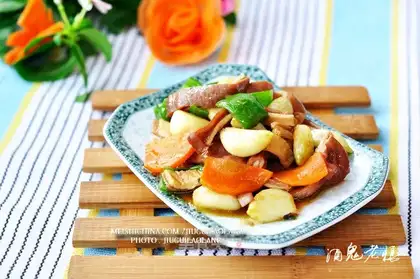 Grilled pork belly strips with garlic
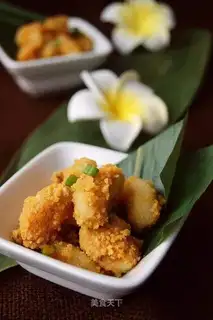 Golden garlic
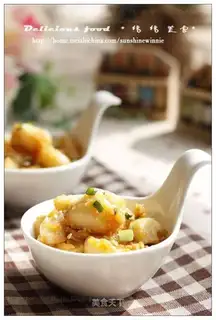 Ginsha garlic