Introduction: Summer is a peak season for digestive diseases. Even minor dietary indiscretions can easily lead to diarrhea. In fact, eating more foods with antibacterial properties in the summer can help prevent these issues. Besides garlic, there are several other "antibacterial vegetables."
Chives Rich in Dietary Fiber
The allicin in chives can inhibit the growth of pathogenic bacteria such as *Shigella dysenteriae* and *Staphylococcus aureus*. Chives are also rich in dietary fiber, which can promote intestinal peristalsis. Stir-fried chives with eggs or stir-fried chives with lean pork are both good choices.
Onions Best eaten raw or stir-fried briefly
Organic sulfides are the main source of the pungent flavor in onions. Studies have shown that these active substances have a strong inhibitory effect on *Staphylococcus aureus* and *Corynebacterium diphtheriae*, and also have health benefits such as lowering blood pressure and preventing cancer. Onions are best eaten raw or stir-fried for a short time, otherwise their active substances will be destroyed.
Stir-fried Onion with Shredded Chicken
Fennel Anethole has antibacterial properties
Anethole in fennel has antibacterial properties and is a good inhibitor of *Escherichia coli* and *Shigella dysenteriae*, which can help prevent various infectious diarrhea and promote the recovery from inflammation and ulcers. The tender stems and leaves of fennel are fragrant vegetables. Besides being used as a filling with meat, they can also be stir-fried with eggs.
Houttuynia cordata Houttuynin has antibacterial and anti-inflammatory effects
Houttuynia cordata is rich in houttuynin (decanoyl acetaldehyde), which has antibacterial and anti-inflammatory effects and is also the source of its fishy smell. Houttuynin can effectively inhibit the growth of bacteria such as *Staphylococcus aureus*, *Escherichia coli*, and *Streptococcus pneumoniae*. Fresh houttuynia cordata, both its leaves and roots, are edible and can be stir-fried, served cold in a salad, or used in soups.
Cold Houttuynia cordata Salad
Purslane Can be eaten fresh or dried
Studies have shown that purslane has a strong inhibitory effect on *Escherichia coli*, *Shigella dysenteriae*, *Salmonella typhi*, and *Staphylococcus aureus*, especially on *Shigella dysenteriae*. It is often used in folk medicine to treat various diseases such as enteritis and dysentery. The roots should be removed before cooking. It can be used in soups or served cold in a salad.
Perilla Can be used to make congee
Active substances in perilla, such as perillaldehyde, have a certain inhibitory effect on *Staphylococcus aureus*, *Salmonella typhi*, and *Escherichia coli*. In Japan, perilla leaves are often served as a side dish with sashimi to prevent food poisoning from eating raw or cold foods. Perilla can also be added to cold dishes or used to make congee. Additionally, you can serve it with grilled meat or other seafood.
Perilla and Shrimp Egg Pancake
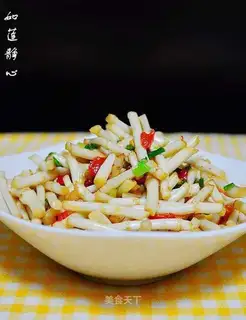 Frozen fish and grass
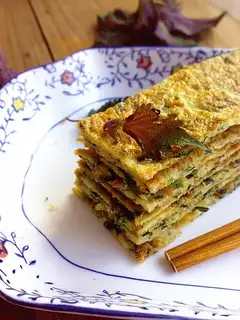 Sour shrimp fried eggs
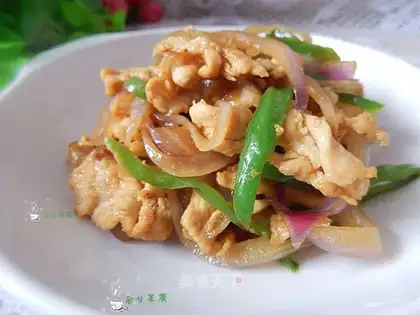 Onion fried chicken silk