Introduction: We consume a wide variety of vegetables, which come in different colors—some are darker, others are lighter. The nutritional value of these vegetables also varies accordingly. In this regard, Ma Guansheng, Deputy Director of the National Institute of Nutrition and Food Safety at the Chinese Center for Disease Control and Prevention, states that dark-colored vegetables contain more nutrients than light-colored ones. It is recommended to eat a variety of vegetables, with dark-colored vegetables ideally accounting for half of the total daily vegetable intake.
Based on their color intensity, vegetables can be broadly classified into two categories: dark-colored and light-colored. Generally, dark-colored vegetables contain more nutrients than light-colored ones. They have higher levels of carotene, riboflavin, and vitamin C, and also contain more phytochemicals.
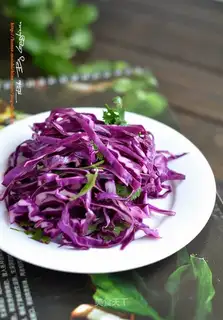
Cold Slaw with Purple Cabbage
Dark-colored vegetables refer to those that are dark green, red, orange-red, or purplish-red. They are rich in carotenes, particularly beta-carotene, which is a primary source of vitamin A for the Chinese population. Dark-colored vegetables also contain various pigments such as chlorophyll, lutein, lycopene, and anthocyanins, as well as aromatic substances. These rich active pigments give vegetables their special colors, flavors, and aromas, which can stimulate the appetite and exhibit certain physiological activities.
Dark-colored vegetables are generally exposed to sunlight for longer periods and are mostly leafy, so they have a higher content of dietary fiber than light-colored vegetables. Regular consumption can help promote gastrointestinal motility, prevent diseases, and promote health.
Common dark green vegetables: Spinach, rapeseed, celery, water spinach, crown daisy, chives, etc.
Common red and orange-red vegetables: Tomatoes, carrots, pumpkins, red chili peppers, etc.
Common purplish-red vegetables: Red amaranth, purple cabbage, etc.
Braised Chicken Wings with Carrots
From a nutritional perspective, a variety of vegetables should be consumed, with dark-colored vegetables ideally making up half of the daily vegetable intake. At the same time, light-colored vegetables should not be overlooked, and a diverse selection of vegetable varieties should be chosen to ensure that nutrients can complement each other.
During the processing and cooking of vegetables, improper methods can lead to excessive loss of nutrients. Therefore:
1. Vegetables should be washed before being cut;
2. When stir-frying vegetables, use high heat and cook quickly;
3. When making soup, add the vegetables after the water has come to a boil;
4. Do not overcook vegetables by stir-frying or boiling them for too long.
Mushrooms and Rapeseed
 Creamed blue
 Chicken wings and carrots
 Orange juice