Introduction: An unclean intestine can lead to many diseases, but many foods are "experts" at cleansing the intestines, worth a try.
1. Cruciferous Vegetables
Cruciferous vegetables like broccoli and Napa cabbage contain a phytochemical called isothiocyanate, which not only helps clear intestinal waste but also has anti-cancer properties. To maximize nutrient retention, Feng Xiang, an associate professor in the Department of Nutrition at the School of Public Health, Sun Yat-sen University, suggests that these vegetables should not be cooked for too long. Broccoli can be stir-fried or blanched and served cold.
2. Onion
The gut contains both probiotics and pathogenic bacteria. When pathogenic bacteria overpower probiotics, the balance of the gut flora is disrupted, which can lead to various problems like constipation and diarrhea. To nourish and stimulate the growth of probiotics in the gut, it's important to eat foods rich in oligosaccharides, and onions are an excellent choice. Additionally, eating onions can prevent cancer, lower cholesterol, and improve blood vessel elasticity. Studies have found that raw onions have the best health benefits; they can be eaten in salads or as a cold dish. When eating rich, greasy foods like beef or mutton, pairing them with raw onions can help cut through the grease.
Crispy Onion Rings
3. Garlic
Garlic contains allicin, a powerful antibacterial substance that can activate cells, speed up gastrointestinal motility, promote metabolism, and relieve fatigue. To preserve the health benefits of garlic, it's best to follow the principle of "eat it raw, not cooked; eat it minced, not whole." Using raw garlic in cold dishes or making a garlic paste are very healthy ways to consume it.
4. Legumes
Legumes are rich in insoluble dietary fiber, which can reduce the time food stays in the intestines, prevent constipation, and lower the risk of colon cancer. Legumes like soybeans and black beans are rich in lecithin, a "master" at breaking down fats and promoting fat metabolism. Song Xin, a nutritionist at Beijing Chaoyang Hospital, suggests that mixing grains and legumes can increase protein utilization to 73%, comparable to meat and higher than consuming a single protein source alone.
Braised Soybeans
5. Seaweed, Black Fungus, and Other Fungi and Algae
These foods contain a large amount of plant-based collagen, which effectively promotes the excretion of waste from the body, reduces constipation, cleanses the intestines, and is a great helper for human metabolism. Seaweed is delicious whether it's in soups, stir-fries, or cold salads. Adding a few drops of vinegar during cooking not only seasons the dish but also aids in calcium absorption.
6. Whole Grains
Feng Xiang says that whole grains like oats and brown rice are rich in water-soluble dietary fiber, which can effectively lower cholesterol, cleanse the digestive system, regulate blood sugar, and help the body metabolize some carcinogens. Furthermore, these foods are less processed and more nutritious, but their texture can be plain, so pairing is important. Song Xin suggests adding some brown rice when steaming rice, or a handful of oats when cooking rice porridge or making soy milk, which can not only boost nutrition but also improve the texture.
Oat Milk Bun
 Oatmeal
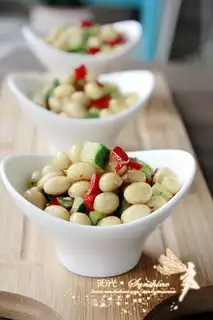 Soybeans
 Onion rings