Introduction: After a summer frenzy of fruits, iced drinks, ice cream, and open-air barbecues with beer, many people are experiencing severe stomach problems. It's crucial to nourish the stomach now, otherwise, how will you get through the long autumn and winter?
Know your type before nourishing your stomach
Both a cold stomach and a hot stomach can cause discomfort, so it's essential to distinguish between them. People with a cold stomach often experience pain and bloating after eating cold foods, but feel better when they apply a hot water bottle. They typically have loose stools and a fear of cold. Such individuals should eat more foods like dried ginger, longan, cinnamon, and jujubes. People with a hot stomach, on the other hand, often have a dry mouth, a bitter taste in the mouth, and dry stools. They can choose cooling and moistening foods like cucumber, bitter melon, chrysanthemum tea, mung bean soup, and lily bulbs. However, regardless of the type, one should eat less spicy food and pay special attention to keeping the stomach warm.
1. Nourish your stomach by eating small meals frequently
Many people with a weak stomach follow the principle of "small, frequent meals," having three main meals and three snacks, which can even develop into a bad habit of snacking all day. This is actually not good, as it's easy to consume more food and the digestive system gets no rest. Except for those with excessive stomach acid or stomach ulcers, normal people should have three main meals a day and eat until they are about 70-80% full. If they feel hungry in between, they can have some fruit or a small amount of nuts to supplement calories and nutrition.
2. Nourish your stomach with congee
When it comes to nourishing the stomach, many people choose to drink more congee. Congee is warm, soft, light, and sticky, which not only warms the stomach but is also easy to digest. The sticky substance floating on top of the cooked congee is called "rice oil" in Traditional Chinese Medicine and has strong nourishing properties. However, when we drink congee, we often skip the chewing process. If the congee is not very soft, it will add a burden to the stomach. Moreover, the nutritional value of congee is relatively simple; drinking too much can lead to a deficiency in other nutrients like protein, causing malnutrition. It should be paired with protein-rich foods. Lean meat congee is an excellent choice.
Millet and Pumpkin Congee
3. Nourish your stomach with a balanced diet
We often think that meat is hard to digest, so people with a weak stomach might refuse to eat it and only eat vegetables and grains. Although these are rich in dietary fiber and vitamins, they lack essential nutrients like protein, essential fatty acids, iron, zinc, and vitamin B12. A long-term vegetarian diet can easily lead to nutritional imbalance. The repair and renewal of the gastric mucosa require sufficient high-quality protein, so it's still appropriate to eat some lean animal meat, fish, eggs, milk, and soy products. To aid digestion, it's best to use light cooking methods. Minced meat stewed with eggs, steamed fish, and tofu pudding are all good choices.
Casserole Radish is Good for the Stomach
Lu Chunjian, Nutrition Department, the First Affiliated Hospital: Radishes contain many enzymes that aid digestion and are effective for relieving bloating and indigestion. I recommend everyone to stew a casserole of lamb and radish soup, which also has the effects of warding off cold, invigorating blood, and replenishing qi in winter.
Chew Your Way to Nutrition
Peng Yuqing, Director of the Sub-health Department, Dongfang Hospital, affiliated with Beijing University of Chinese Medicine: I love to eat plums, and both dark plums and preserved plums are my constant companions. Chewing one can quickly make you feel refreshed and clear-headed. The organic acids in dark plums nourish the liver, and catechic acid promotes intestinal peristalsis, making it a great helper for smooth bowel movements for office workers who sit for long periods.
Chestnut Chicken
Three Food Remedies for Diarrhea
Summer diarrhea is mainly caused by unclean or stale food, with cold dishes being a major culprit. It's recommended not to skimp on garlic, onions, and vinegar; add more of them. Use about seven or eight cloves of garlic, half an onion, and plenty of vinegar.
Major and Minor Heat, Steaming from Above and Boiling from Below
Deputy Chief Physician Liu Wanli, Digestive Department, Nanjing Integrated Traditional Chinese and Western Medicine Hospital: There's a folk saying, "Major and Minor Heat, steaming from above and boiling from below." Here are two folk food remedies worth trying. One is steamed honey lotus root, which has a calming and sleep-aiding effect. The other is boiled river clam soup, which is quite effective for "dry eye syndrome."
Ginger Milk Curd is Very Protective for the Stomach
Lu Peiwan, Acupuncture Department, Henan Provincial Hospital of Traditional Chinese Medicine: Pour two to three tablespoons of ginger juice into half a pound of boiled milk. Let it cool down and drink it on an empty stomach in the morning. The small milk molecules and ginger juice can form a protective layer over the ulcerated gastric mucosa, preventing it from being eroded by stomach acid. I used to get diarrhea after drinking milk, but with this ginger milk curd, I really have no adverse reactions.
Ginger Milk Curd
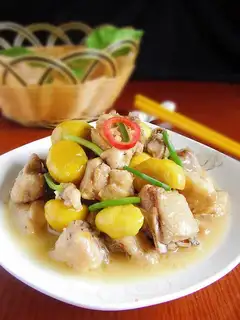 Chestnut chicken
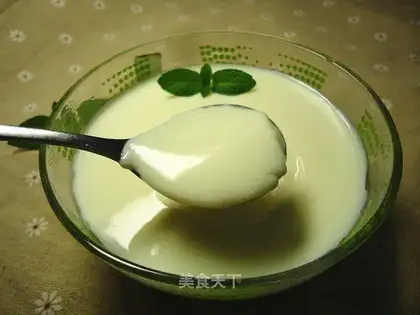 Ginger and milk
 Jell-O