In the hot summer, women often struggle with how to replenish their blood. Menstruation each month depletes the body's vitality, yet consuming too many potent medicinal herbs can be hard on the system. To replenish blood in the summer, we can be more selective in our daily diet, easily and simply supplementing our body's qi and blood. Here are 10 blood-nourishing foods we recommend for you to enjoy together.
1. Longan
Nutritionists have found that in every 100 grams of longan pulp, there are 12%-23% total sugar, 26.91% glucose, 1.26% tartaric acid, 1.41% protein, 0.45% fat, 163.7 mg of Vitamin C, 196.6 mg of Vitamin K, as well as Vitamins B1, B2, and P. When processed into dried fruit, every 100 grams contains 74.6 grams of sugar, 35 mg of iron, 2 mg of calcium, 110 mg of phosphorus, 1200 mg of potassium, and various other minerals, along with multiple amino acids, saponins, X-glycine, tannins, and choline, which are the sources of its powerful nourishing properties.
Moreover, longans are rich in glucose, sucrose, and protein, and have a relatively high iron content. They can increase energy, replenish nutrients, and promote the regeneration of hemoglobin, thereby achieving a blood-nourishing effect. Research has found that besides its overall tonic effect on the body, longan pulp is particularly effective for brain cells, enhancing memory and eliminating fatigue.
Longan and Shrimp Balls
2. Black Sesame
Black sesame contains a large amount of fat and protein, as well as nutrients such as carbohydrates, Vitamin A, Vitamin E, lecithin, calcium, iron, and chromium. It has effects on strengthening the stomach, protecting the liver, and promoting red blood cell growth. At the same time, it can increase melanin in the body, which is beneficial for hair growth. Furthermore, Traditional Chinese Medicine holds that sesame enters the liver, kidney, lung, and spleen meridians, with the effects of nourishing blood and improving eyesight, promoting sperm production and milk secretion, and benefiting the liver and nourishing the hair. Consuming sesame can promote the functions of the kidney in producing blood, the liver in storing blood, and the spleen in governing blood.
Moreover, black sesame is rich in natural Vitamin E, the highest content among plant-based foods. Vitamin E is a good antioxidant, and proper supplementation of Vitamin E can have a moisturizing and beautifying effect on the skin.
Tian Cang Hu Black Sesame Tangyuan
3. Carrot
Commonly known as red radish, the Japanese call ginseng. Carrots are rich in beta-carotene, a nutrient that is extremely beneficial for blood replenishment. You can make good use of carrots in soups, turning your post-meal soup into a blood-nourishing soup that you can drink anytime.
Not only that, the quercetin and kaempferol in carotene can increase coronary blood flow, lower blood lipids, and promote the synthesis of adrenaline, thus having a blood pressure-lowering and heart-strengthening effect. Carrots contain potassium succinate, which helps prevent vascular sclerosis, lower cholesterol, and reduce blood pressure. The folic acid in carrots can reduce the risk factors for coronary heart disease. After drinking carrot juice, people with high blood pressure experience a significant reduction in blood pressure. People who eat more carrots have almost 50% fewer heart disease cases than those who eat fewer.
Soy Milk Carrot Noodles
4. Pumpkin
Praised by the famous Qing Dynasty physician Chen Xiuyuan as a "wonderful product for blood nourishment," pumpkin is rich in plant-based protein, carotene, vitamins, essential amino acids, calcium, zinc, iron, cobalt, phosphorus, and more. Among these, cobalt is an important component of Vitamin B12, which helps red blood cells function properly; zinc directly affects the function of mature red blood cells; and iron is the basic trace element for making hemoglobin—all excellent nutrients for blood nourishment. Furthermore, pumpkin contains vitamins and pectin. Pectin has good adsorption properties, binding and eliminating bacterial toxins and other harmful substances in the body, such as lead and mercury from heavy metals and radioactive elements, thus playing a detoxifying role.
Pumpkin Chickpea Soy Milk
5. Sugarcane
Modern medical research shows that sugarcane is rich in sugar and water, as well as various vitamins, fats, proteins, organic acids, calcium, iron, and other substances beneficial to human metabolism. Sugarcane can not only add sweetness to food but also provide the nutrition and calories the body needs. Sugarcane also contains many trace elements, including iron, zinc, calcium, phosphorus, manganese, etc., with iron content being the highest at up to nine milligrams per kilogram, ranking it first among fruits, thus earning it the name "blood-nourishing fruit." However, from the perspective of Traditional Chinese Medicine, sugarcane is considered "cold" in nature, so those with a weak spleen and stomach should consume it in moderation.
Sugarcane Water with Water Chestnuts
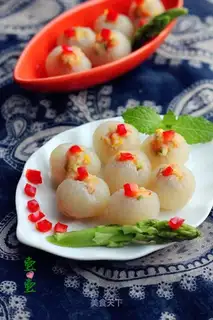 Lobster ball
 Soupburger
 The radish lamb soup
 Dogs go to candy cookies
 Cool bean horns