There are many types of food we eat on a regular basis, and their flavors are also quite different. Some foods may not be popular for their taste, but their cancer-preventing and anti-cancer properties are excellent. Come take a look at 3 types of spicy, cancer-preventing vegetables that are often disliked.
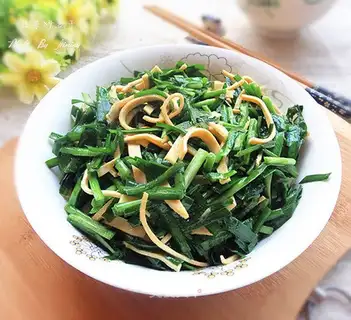
1. Chives
Chives are nutritious, with main nutritional components including Vitamin C, Vitamin B1, Vitamin B2, niacin, carotene, carbohydrates, and minerals. Chives are also rich in fiber, with 1.5 grams of fiber per 100 grams, which is higher than in scallions and celery. This can promote intestinal peristalsis, prevent the occurrence of colorectal cancer, and also reduce the absorption of cholesterol, playing a role in preventing and treating diseases such as arteriosclerosis and coronary heart disease. Moreover, chives contain very high levels of vitamins and carotene, which help improve vision and relieve eye fatigue, making them very suitable for people who use computers for long periods. The high carotene content also helps boost immunity, prevent tumors, and is very beneficial for antioxidant and anti-aging effects.
Chive, Vermicelli, and Egg Pancake
2. Scallion
Scallions are nutritious. In 100 grams of small scallions, there are 90 grams of water, 2.5 grams of protein, 0.3 grams of fat, 5.4 grams of carbohydrates, 54 milligrams of calcium, 61 milligrams of phosphorus, 2.2 milligrams of iron, 0.46 milligrams of carotene, and 15 milligrams of Vitamin C. Additionally, they contain various components such as protopectin, water-soluble pectin, thiamine, riboflavin, niacin, and allicin. Scallions also contain various vitamins and minerals like protein and carbohydrates, which are very beneficial to the human body. Scallions also have anti-cancer effects. The pectin in scallions can significantly reduce the occurrence of colon cancer and has anti-cancer properties. The allicin in scallions can also inhibit the growth of cancer cells. There are many ways to eat scallions; they are suitable for eating cold or as a seasoning, but it should be noted that they should not be stir-fried or fried for too long.
Scallion and Soy Sauce Noodles
3. Garlic
Garlic also has the function of preventing certain cancers. It can inhibit bacteria in the stomach that produce nitrosamines, reducing the formation of nitrosamines and preventing stomach cancer. Survey data shows that in areas and populations where garlic is grown and there is a habit of eating garlic, the incidence rate of stomach cancer is only one-third of that in other areas. People who eat raw garlic for a long time have much lower levels of nitrite, a precursor of the strong carcinogen nitrosamine, in their stomachs, and the bacteria that produce nitrosamines are significantly inhibited. Garlic contains sulfur compounds that can accumulate heavy metals in human organs and excrete them from the body.
But what to do about the strong garlic breath after eating it? It's simple. Chewing some tea leaves or taking a sip of warm milk after eating garlic are both good choices. Oolong tea and Tieguanyin are the most effective. However, there are also taboos for eating garlic. For people with a weaker constitution, eating one or two cloves at a time is enough, otherwise, it can easily lead to "internal heat" (a concept in Traditional Chinese Medicine). Additionally, it's best to eat garlic in the morning and at noon, because eating it at night is more likely to irritate the nasal, pharyngeal, and gastric mucous membranes.
Basil and Garlic Roasted Chicken Legs
 Scrambled beans
 Gold pancakes
 Tiramisu