Summer has arrived, and cooling down has become an essential part of our health regimen. What methods can we use to beat the heat? Here, we introduce 10 household foods with cooling effects for you to explore.
1. Mung Beans
Mung beans are rich in nutrients. Every 100 grams contains 23.8 grams of protein, 58.8 grams of carbohydrates, 0.5 grams of fat, 80 milligrams of calcium, 360 milligrams of phosphorus, and 6.8 milligrams of iron. They also contain carotene, vitamin B1, vitamin B2, vitamin E, niacin, and various mineral elements. The protein and phospholipids in mung beans can stimulate the nervous system and increase appetite, making them very suitable for summer consumption.
In Traditional Chinese Medicine, mung beans are considered sweet and cold, with the effects of clearing the heart, promoting urination, relieving summer heat, quenching thirst, and clearing heat and toxins. Mung bean soup is also the most common folk remedy for cooling and detoxification, often used to treat summer heat, thirst, excessive heat in the heart and stomach, carbuncles, erysipelas, and other conditions. Drinking large amounts of mung beans can also help with poisoning from substances like arsenic, croton beans, monk's hood, and other herbs, minerals, and alcohol.
Rice and Mung Bean Porridge
2. Bitter Melon
As the saying goes, "Eating bitter foods in hot weather is better than taking supplements." Among bitter vegetables, bitter melon is the top choice. It is rich in nutrients and has the effects of clearing summer heat, reducing fever, improving vision, and detoxifying. Bitter melon is cold and bitter in nature, and its functions include clearing heat and toxins, cooling the heart and relieving summer heat, improving vision, and lowering blood pressure. It can also prevent and treat conditions like heatstroke, dysentery, and sores. Regular consumption of bitter melon can enhance skin vitality, making the skin delicate and beautiful. Fresh bitter melon juice or decoction is a great辅助食疗 (adjuvant therapeutic food) for liver fire causing red eyes, stomach pain, and damp-heat dysentery. Applying crushed fresh bitter melon externally can treat carbuncles and boils. In summer, children are prone to heat rash; rubbing heat rash with slices of bitter melon can speed up recovery. Boiling bitter melon in water or cooking it into dishes can help dissipate heat and relieve summer heat.
Bitter Melon, Soybean, and Pork Bone Soup
3. Green Tea
Green tea is made from unfermented tea leaves, preserving the natural substances of the fresh leaves. It is rich in nutrients such as tea polyphenols, catechins, chlorophyll, caffeine, amino acids, and vitamins. These natural components in green tea have special effects against aging, cancer, and possess antibacterial and anti-inflammatory properties that are unmatched by other types of tea.
When the weather is hot and you sweat a lot, green tea is rich in potassium, which can not only replenish fluids but also replace the potassium lost through sweat. It should be consumed several times a day so that the tea polyphenols and catechins can be fully absorbed by the body. However, it should be noted that green tea is an unfermented tea and is bitter and cold in nature. Iced green tea is too cold and is not suitable for women or those with a cold stomach.
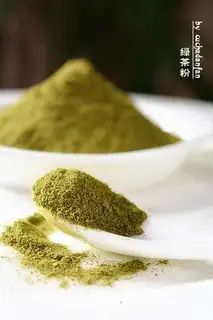
Homemade Green Tea Powder
4. Cucumber
Cucumber is the best vegetable for beauty and weight loss in the summer. Regular consumption can effectively resist skin aging, reduce wrinkles, and prevent cheilitis and angular stomatitis. According to "Compendium of Materia Medica," cucumber has the effects of clearing heat, quenching thirst, promoting urination, and reducing swelling, making it one of the vegetables suitable for summer consumption. Cucumber can also help prevent diabetes, lower lipids, and stabilize blood pressure because a hormone in cucumber helps the pancreas secrete insulin, which can assist in the treatment of diabetes. The sterol components in cucumber can lower cholesterol. The rich dietary fiber, potassium, and magnesium in cucumber are beneficial for regulating blood pressure and preventing hypertension. Although cucumbers can be eaten raw as a fruit, they should not be consumed in excess. People with a weak spleen and stomach, abdominal pain and diarrhea, or a cold cough should eat less cucumber.
Pickled Cucumber
5. Winter Melon
Winter melon is sweet and cold in nature, with the effects of clearing heat, promoting urination, and reducing swelling. Winter melon has a low sodium content and is beneficial for the auxiliary treatment of arteriosclerosis, cirrhosis with ascites, coronary heart disease, hypertension, nephritis, edema, and other conditions. "Sui Xi Ju Yin Pu" (Dietary Manual) states, "If pregnant women often eat it, it can detoxify the fetus and keep the child free from disease." Winter melon also has other functions, such as detoxifying from fish poisoning.
Furthermore, the malonic acid contained in winter melon can effectively inhibit the conversion of carbohydrates into fat. Coupled with the fact that winter melon itself contains no fat and has low calories, it is significant for preventing weight gain and helping to maintain a healthy figure. Moreover, the seeds and skin of winter melon can also be used for medicinal purposes. The flesh and pulp of winter melon have diuretic, heat-clearing, phlegm-resolving, and thirst-quenching effects. It can also treat edema, phlegmatic wheezing, summer heat, hemorrhoids, and other ailments. If winter melon is boiled in soup with its skin on, it can achieve the effects of reducing swelling, promoting urination, clearing heat, and relieving summer heat.
White Fungus and Winter Melon Sweet Soup
 Suffering melon cucumber and pork soup
 Homemade green tea powder
 Homemade yogurt
 Cracked chicken root
 Wolftooth potatoes