Atherosclerosis is a relatively common cardiovascular disease in life. So, what are some good preventive methods for such a disease? Below, we will introduce what foods are good for preventing atherosclerosis for your reference.
1. Black Sesame
Black sesame is the black seed of the sesame plant from the Pedaliaceae family. It contains a large amount of fat and protein, as well as carbohydrates, vitamin A, vitamin E, lecithin, calcium, iron, chromium, and other nutrients. It has the effects of strengthening the stomach, protecting the liver, and promoting red blood cell growth. At the same time, it can increase melanin in the body, which is beneficial for hair growth.
As a food that is both medicinal and edible, black sesame has health benefits such as "nourishing the liver and kidneys, nourishing the five organs, replenishing essence and blood, and moistening the intestines." It is regarded as a nourishing treasure. This is because, on one hand, it contains high-quality protein and rich minerals, and on the other hand, it is rich in unsaturated fatty acids, vitamin E, and precious sesamin and melanin. Moreover, black sesame also contains linoleic acid, vitamin E, and protein, among which linoleic acid can prevent the progression of atherosclerosis.
Black Sesame Tangyuan
2. Onion
The nutritional components of onions are very rich. They are not only rich in nutrients like potassium, vitamin C, folic acid, zinc, selenium, and fiber, but also contain two special nutrients—quercetin and prostaglandin A. These two special nutrients give onions many health benefits that other foods cannot replace. Prostaglandin A can dilate blood vessels and reduce blood viscosity, thereby lowering blood pressure, increasing coronary blood flow, and preventing thrombosis. The quercetin in onions is highly bioavailable. Scientific research reports indicate that quercetin may help prevent the oxidation of low-density lipoprotein (LDL) and provide important protective effects against atherosclerosis.
Okra and Pumpkin with Onion
3. Buckwheat
Buckwheat is nutritious and rich in B vitamins, vitamin E, chromium, phosphorus, calcium, iron, lysine, amino acids, fatty acids, linoleic acid, niacin, nicotinic acid, and rutin. The fatty acids in buckwheat are all unsaturated fatty acids, and it is particularly rich in linoleic acid. The large amount of chlorophyll and rutin it contains can soften blood vessels and increase their elasticity. Buckwheat is also rich in dietary fiber, with a content 10 times that of refined rice; it also contains more trace elements such as iron, manganese, and zinc than common grains. Buckwheat has a delicate fragrance and is a very popular food in Northeast, North, Northwest, and Southwest China, as well as in Japan, Korea, and the former Soviet Union. Buckwheat foods are processed directly from buckwheat kernels and buckwheat flour.
Egg Noodles with Greens and Buckwheat Soup
4. Eggplant
Eggplant is nutritious and contains various nutrients such as protein, fat, carbohydrates, vitamins, calcium, phosphorus, iron, and more. The vitamin P content in eggplant is very high, with 750 milligrams per 100 grams. It can enhance the adhesion between human cells, increase the elasticity of capillaries, and reduce their brittleness and permeability, preventing the rupture and bleeding of microvessels. Medical research also shows that eggplant can lower cholesterol and prevent vascular damage caused by abnormal blood lipids, and it can assist in treating hypertension, atherosclerosis, etc.
Although there are many ways to cook eggplant, most methods involve high temperatures and long cooking times, which are not only greasy but also lead to significant nutrient loss. The vitamin loss from fried eggplant can be over 50%. Among all the ways to eat eggplant, making mashed egg salad is the healthiest.
Sauce-Fried Eggplant
5. Hawthorn
Hawthorn is a unique Chinese tree species that is both medicinal and edible. It has effects of lowering blood lipids and blood pressure, strengthening the heart, and resisting arrhythmia. It is also a good remedy for strengthening the spleen and whetting the appetite, promoting digestion, resolving food stagnation, invigorating blood, and resolving phlegm. It is very effective for symptoms like chest and diaphragm fullness, hernia, blood stasis, and amenorrhea. The flavonoid compound vitexin in hawthorn has a strong anti-cancer effect, and its extracts have a certain effect on inhibiting the growth, proliferation, and invasion and metastasis of cancer cells in the body.
However, it should be noted that the tannic acid in raw hawthorn can easily form bezoars when combined with stomach acid, which is difficult to digest. If the bezoar is not digested for a long time, it can cause gastric ulcers, gastric bleeding, or even gastric perforation. Therefore, raw hawthorn should be eaten as little as possible, and people with weak gastrointestinal function should be especially cautious. Doctors recommend that it is best to cook hawthorn before eating.
Chestnut, Hawthorn, and Goji Berry Black Rice Paste
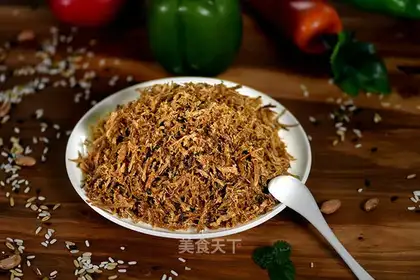 Meat pine
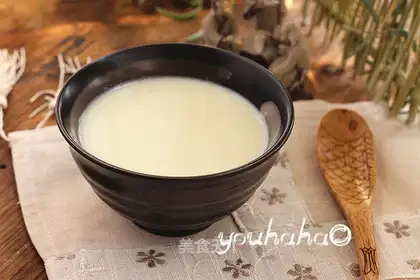 Almond lilies
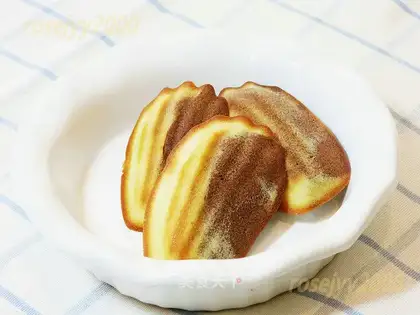 It's cocoa Madeleine
 Dogs go to candy cookies
 Shrimp