What to eat during the "Chushu" (End of Heat) customs? "Chushu" is the second solar term of autumn, and there are many folk food customs, such as eating duck, longan congee, and white glutinous rice balls... Have you heard of these customs? So, what do people actually eat during "Chushu"? The following is an introduction for you.
1. Duck
It is a traditional dietary custom for people in Nanjing to eat duck during the "Chushu" season. Ducks, especially the mallard ducks from the Hushu area of Jiangning, Nanjing, are the most sought after. It is said that the ducks from that area are sweet in taste and cool in nature, with a suitable balance of fat and meat. If they are busy, old Nanjing residents will go to a cooked food shop to buy half a duck to take home; those with more time will stew "Radish and Old Duck Soup" at home or make "Braised Duck Pieces" to give to their neighbors. This is what the saying "Giving duck during Chushu keeps illness away from every household" means.
People in Hangzhou are used to dividing ducks into old ducks, young ducks, and "daida" ducks. In terms of nutrition, old ducks have more lean meat and less water content, so their taste and nutritional value are relatively better, making them suitable for stewing to relieve summer heat. Meat ducks are mostly used for making roast duck, soy sauce duck, etc.
Casserole Soy-Braised Duck
2. Longan
When "Chushu" arrives, "summer avoidance" also comes to an end. Old Fuzhou people no longer drink herbal tea after "Chushu" but eat more things that "nourish qi" and "nourish blood." It is a custom for old Fuzhou people to eat longans, peeling them and soaking them in congee.
After "Chushu," autumn begins. In Traditional Chinese Medicine, there is a concept of "tonifying in autumn." Therefore, drinking less herbal tea and eating more longans makes sense. During this time, it is important to "nourish qi" and "nourish blood" and avoid cold foods. Longans are relatively warm in nature, beneficial for the heart and spleen, and can replenish qi and blood, making them nourishing. Consuming them during this solar term is beneficial. However, dietary therapy doesn't have to be so rigid. It's not mandatory to eat longans in congee during this time; many people also eat it this way normally and find it beneficial.
3. White Glutinous Rice Balls
In addition, another food that old Fuzhou people eat during "Chushu" is white glutinous rice balls. White glutinous rice balls are actually glutinous rice balls. The method is simple: knead glutinous rice flour into small pellets, boil them in soup, add some sugar, and the taste is refreshingly sweet. It can replenish carbohydrates and relieve the greasiness of summer.
Glutinous rice has the effect of nourishing yin. In autumn, it is appropriate to drink some glutinous rice porridge. Glutinous rice is sweet in taste and warm in nature, and it enters the spleen, kidney, and lung meridians. It can nourish the body's vital energy, has the effects of strengthening qi and spleen, promoting fluid production, and stopping sweating. After eating it, the whole body feels warm, which helps to ward off cold and has a nourishing effect. Eating some glutinous rice foods in autumn is very beneficial to the body.
Pearl Rice Balls
4. Herbal Tea
The custom of brewing herbal tea during "Chushu" has been popular since the Tang Dynasty. During the "Chushu" period, it is a habit for every household to brew herbal tea. They first get a prescription from a pharmacy, then brew the tea at home for drinking. The meaning behind this is that one should eat some "bitter" things when entering autumn, which is quite beneficial for clearing heat, reducing fire, aiding digestion, and eliminating lung heat.
If you feel dry-mouthed and thirsty around "Chushu," steeping Ophiopogon japonicus or Dendrobium in tea, which are dry and cold in nature, can help relieve summer heat and nourish yin. Drinking water with snow pear, honey, and Fritillaria thunbergii is also good for resolving phlegm, stopping cough, promoting fluid production, and nourishing the lungs, and it is also suitable for people with qi deficiency. However, one should drink less herbal tea during "Chushu" because the summer heat at this time is not severe. Excessively bitter and cold herbal tea can easily damage the spleen and stomach, and it is also not beneficial to the lungs and kidneys.
5. Sour Plum Drink
In the 1960s and 1970s, there were special tea stalls selling sour plum drinks on the streets of Wenzhou's urban area, hence the saying "Sour plum drink on Chushu, all internal heat disappears." Making sour plum drink is simple: soak dried plums in boiling water at night, then add rock sugar. After cooking and cooling, it is placed in a wooden, covered ice bucket to lower its temperature. It tastes sweet and sour, slightly salty, and has a very pleasant taste.
The organic acid content in dark plum is very rich, which can effectively inhibit lactic acid, reduce fatigue, and remove harmful substances that cause blood vessels to age. Therefore, drinking sour plum drink during the "Chushu" solar term can relieve summer heat, refresh the mind, quench thirst, and restore vitality to muscles and blood vessels. In addition, when you eat too much meat, drinking sour plum drink can also help the body's acid-base balance.
Sour Plum Drink
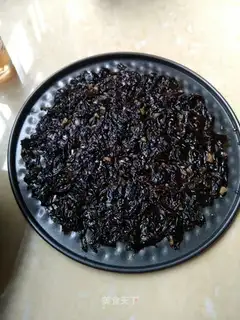 Original roasted seaweed
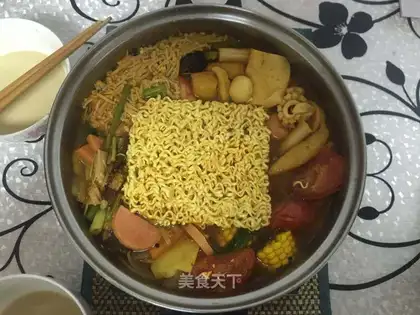 Troop hotpots
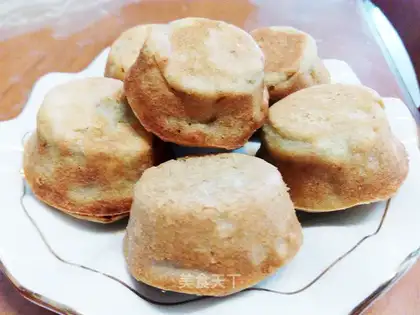 Low-fat banana muffin