There are many ways to practice longevity and wellness. Autumn wellness focuses on dietary supplements, but did you know that there are 7 "firsts" you should eat often? Eating these seven foods regularly in the autumn can not only promote wellness but also lead to a longer life. Which seven foods should you eat more of in the autumn? Let me break it down for you.
First Fruit: Pear
Pears are fresh, tender, and juicy, containing 85% water. With a pleasant sweet and sour taste, they are rich in vitamins and trace elements like calcium, phosphorus, iron, and iodine, earning them the name "natural mineral water." Since ancient times, they have been revered as the "king of all fruits." In autumn, the air is dry and moisture is scarce. Eating a certain amount of pears daily can help relieve autumn dryness, promote fluid production, and moisten the lungs.
First Supplement: Chinese Yam
Chinese yam contains substances like amylase and polyphenol oxidase, which are beneficial for the digestive and absorption functions of the spleen and stomach. It also contains a large amount of mucin protein, vitamins, and trace elements, which can effectively prevent the deposition of blood lipids on blood vessel walls and prevent cardiovascular diseases, contributing to a longer life.
Cotton Flower and Chinese Yam Soup
First Vegetable: Lotus Root
In dry weather, eating some lotus root can nourish yin, clear heat, moisten dryness, quench thirst, and calm the mind. Fresh lotus root is not only rich in carbohydrates but also contains abundant protein, various vitamins and minerals, and plenty of dietary fiber, which is very beneficial for treating constipation and promoting the excretion of harmful substances.
First Nut: Peanut
Peanuts are neutral in nature and sweet in flavor, affecting the spleen and lung meridians. They can awaken the spleen and harmonize the stomach, moisten the lungs and resolve phlegm, nourish and regulate qi, and clear the throat and stop coughs. They are mainly used to treat malnutrition, poor appetite and weakness, dry cough with little phlegm, hemoptysis, skin purpura, insufficient lactation in postpartum women, and constipation.
First Beverage: Yellow Rice Wine
Yellow rice wine contains 18 amino acids, a rarity in nutritional wines worldwide. It also contains a high level of functional oligosaccharides, which can improve immunity and disease resistance, something that wine and beer cannot match. Traditional Chinese medicine believes that yellow rice wine is warm in nature and sweet and bitter in taste, with therapeutic effects such as unblocking meridians, promoting blood circulation, warming the spleen and stomach, moisturizing the skin, and dispelling dampness.
Yellow Rice Wine Braised Prawns
First Congee: Lily Congee
Lily is sweet and slightly bitter, with a neutral nature. It is rich in nutritional components, including protein, vitamins, carotene, and some special active ingredients such as starch, polysaccharides, pectin, and various alkaloids. It has a certain therapeutic effect in inhibiting the proliferation of cancer cells. With functions like moistening the lungs to stop coughs and clearing the mind to calm the spirit, lily is a top-grade food for autumn consumption.
First Meat: Cuttlefish
Cuttlefish is rich in nutrition. Every 100 grams of its meat contains 13 grams of protein and only 0.7 grams of fat. It also contains carbohydrates and essential substances for the human body, such as vitamins A and B complex, calcium, phosphorus, and iron, making it a high-protein, low-fat nourishing food.
Sautéed Cuttlefish with Chili Peppers
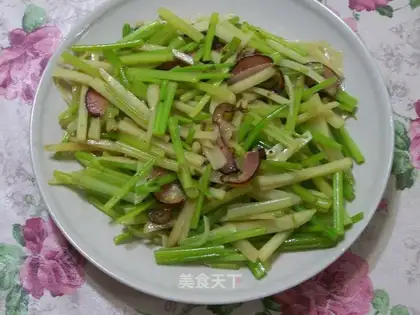 Potato celery
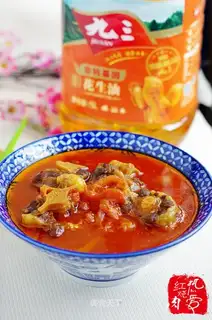 Tomato cowtail soup
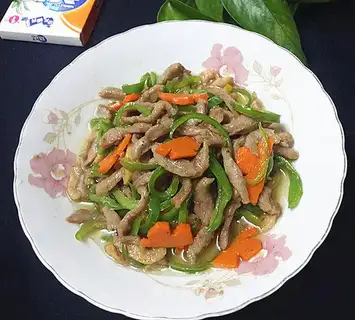 Duck and pepper