Summer vacation has flown by, and school is about to start. Moms should focus on nourishing and strengthening their children's brains. So-called "brain-boosting supplements" are unreliable; the most effective approach is to add brain-friendly foods to the menu. So, what should children eat to nourish and strengthen their brains? Here are 10 foods that provide rich nutrients for your child's brain development!
1. Eggs
As is well known, eggs are rich in protein and are among the finest natural sources of protein. In fact, they also contain choline, which helps improve memory. Eating more eggs can make children smarter. Especially chicken eggs, they not only contain the many well-known nutrients but also two amino acids—tryptophan and tyrosine—which help the body fight oxidation. The antioxidant content of a single egg yolk is equivalent to that of an apple. Moreover, eggs are rich in vitamin B2, which helps break down and oxidize carcinogens in the body. Trace elements in eggs, such as selenium and zinc, also have anti-cancer effects. According to an analysis of cancer mortality rates worldwide, it has been found that the mortality rate from cancer is inversely proportional to selenium intake.
Quick and Easy Egg Pancakes
2. Bananas
Bananas are nutritious and low in calories. They contain phosphorus, known as the "salt of wisdom," and are a superb source of tryptophan and vitamin B6. They are also rich in minerals, especially potassium, with a medium-sized banana containing 451 milligrams. Regular consumption has a brain-boosting effect. Furthermore, bananas contain various trace elements and vitamins that help relax muscles, improve mood, and have certain weight-loss benefits.
Modern medicine suggests that bananas can help treat hypertension because of their high potassium content, which balances the negative effects of sodium and promotes cell and tissue growth. Additionally, bananas can treat constipation as they promote intestinal peristalsis.
Banana Chocolate Chip Cake
3. Corn
Corn germ is rich in various unsaturated fatty acids such as linoleic acid, which helps protect cerebral blood vessels and lower blood lipids. Particularly, corn is high in glutamic acid, which helps promote brain cell metabolism. Eating corn regularly, especially fresh corn, has a brain-boosting effect.
Research has found that corn is rich in vitamin C, isomalt oligosaccharides, and other substances, contributing to longevity and beauty. The nutrients in the corn germ tip can enhance human metabolism and regulate nervous system function, helping to keep skin delicate and smooth, and to suppress and delay wrinkles. Corn also regulates the stomach and stimulates appetite, lowers blood lipids, and reduces serum cholesterol.
Corn Soup
4. Peanut Butter
Peanut butter is rich in vitamin A, vitamin E, folic acid, calcium, magnesium, zinc, iron, fiber, and protein, greatly aiding children's brain development and physical health. Researchers recommend that peanut butter be paired with low-calorie foods such as whole wheat bread, vegetables, and fruits. Peanut butter is also rich in protein, mineral trace elements, and a large amount of B vitamins and vitamin E. It has the effect of lowering blood pressure and blood lipids and can play a辅助 therapeutic role in regenerative anemia and diabetes. However, it should be noted that while it is suitable for the general population, those with a weak spleen and loose stools, hyperlipidemia patients, those with bruises and swelling, and those who have had their gallbladder removed should not consume it.
Homemade Natural Peanut Butter
5. Oats
Oats are a familiar food for children, especially in breakfast menus. Oats are rich in vitamins, fiber, potassium, zinc, and more, providing children with enough energy for the day and are also a great brain food. There are many ways to eat oats. Oatmeal porridge is rich in magnesium and vitamin B1, and also contains phosphorus, potassium, iron, pantothenic acid, copper, and fiber, which can lower cholesterol and has auxiliary therapeutic effects for fatty liver, diabetes, and constipation. Uncooked oat bran is rich in magnesium, vitamin B1, phosphorus, and potassium, and also contains iron, zinc, folic acid, pantothenic acid, and copper. Oatmeal can improve blood circulation and promote wound healing.
Sugar-Free Oat Burger Buns
 Salt and cucumber
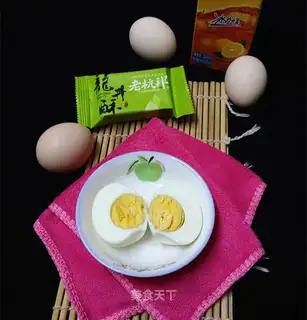 I'm cooking eggs
 Drunk mushrooms
 The Western Red Ox
 Red meat