Butter lettuce, with its tender, buttery leaves and mild, sweet flavor, is a beloved leafy green that has transcended its role as a simple salad base to become a nutritional standout in the world of vegetables. Named for its soft, velvety texture that resembles butter, this versatile vegetable—available in varieties such as Boston and Bibb—offers a wealth of health benefits, culinary uses, and unique considerations for consumption. From its rich nutrient profile to its potential role in disease prevention, butter lettuce is a testament to the idea that healthy eating can also be delicious. This article explores the nutritional value of butter lettuce, its key health benefits, and important食用禁忌 (dietary precautions) to ensure safe and optimal consumption.
I. Nutritional Profile of Butter Lettuce
Butter lettuce is a low-calorie, nutrient-dense food, making it an excellent choice for those seeking to maintain a healthy weight or boost their intake of essential vitamins and minerals. A 100-gram serving of raw butter lettuce (approximately 2–3 cups, chopped) contains roughly:
- Calories: 15–20 kcal
- Water: ~95%
- Dietary Fiber: 1.5–2 grams
- Protein: 1 gram
- Fat: 0.2 grams
- Carbohydrates: 3–4 grams (mostly natural sugars and fiber)
Its true value, however, lies in its micronutrient content. Butter lettuce is particularly rich in:
1. Vitamins
- Vitamin A (as beta-carotene): With over 100% of the Daily Value (DV) per 100 grams, butter lettuce is an exceptional source of vitamin A, which is critical for vision health, immune function, and cell growth. Beta-carotene, a precursor to vitamin A, also acts as a powerful antioxidant, protecting cells from oxidative damage.
- Vitamin K: Butter lettuce provides around 85% of the DV for vitamin K, a nutrient essential for blood clotting and bone metabolism. Vitamin K helps activate proteins that regulate calcium in bones and teeth, reducing the risk of osteoporosis.
- Vitamin Folate (B9): With approximately 10% of the DV per serving, folate is vital for DNA synthesis, cell repair, and fetal development during pregnancy. Adequate folate intake is also linked to a lower risk of cardiovascular disease.
- Vitamin C: Though not as concentrated as in citrus fruits, butter lettuce still offers a modest amount of vitamin C (around 4% of the DV per 100 grams), which supports immune function, collagen production, and iron absorption.
2. Minerals
- Potassium: Butter lettuce contains ~140 mg of potassium per 100 grams, an electrolyte that helps regulate blood pressure, fluid balance, and muscle contractions. A potassium-rich diet is associated with a reduced risk of stroke and heart disease.
- Calcium: While not a top source of calcium (providing ~3% of the DV per 100 grams), butter lettuce contributes to overall calcium intake, which is crucial for bone and teeth health.
- Iron: With ~0.5 mg of iron per 100 grams, butter lettuce supports hemoglobin production and oxygen transport in the blood. When paired with vitamin C (also present in the lettuce), iron absorption is enhanced.
3. Antioxidants and Phytochemicals
Butter lettuce is packed with antioxidants, including beta-carotene, lutein, zeaxanthin, and flavonoids. These compounds neutralize free radicals—unstable molecules that can cause chronic inflammation and cellular damage. Lutein and zeaxanthin, in particular, accumulate in the retina and are linked to a lower risk of age-related macular degeneration (AMD) and cataracts.
II. Key Health Benefits of Butter Lettuce
The combination of vitamins, minerals, and antioxidants in butter lettuce contributes to a range of health benefits, from supporting heart health to aiding digestion.
1. Supports Heart Health
Butter lettuce’s high potassium and low sodium content make it a heart-healthy food. Potassium helps counteract the effects of sodium, reducing blood pressure and the strain on cardiovascular systems. Additionally, the folate in butter lettuce lowers levels of homocysteine, an amino acid linked to an increased risk of heart disease when elevated. The antioxidants in butter lettuce also reduce oxidative stress in blood vessels, improving circulation and reducing inflammation.
2. Promotes Digestive Health
With its high water content (95%) and fiber (1.5–2 grams per 100 grams), butter lettuce is a natural aid for digestion. Fiber adds bulk to stool, preventing constipation and promoting regular bowel movements. The water in lettuce softens stool, making it easier to pass. Moreover, butter lettuce contains prebiotics—non-digestible fibers that feed beneficial gut bacteria, supporting a healthy microbiome and reducing the risk of digestive disorders like irritable bowel syndrome (IBS).
3. Aids in Weight Management
Butter lettuce is an ideal food for weight loss and maintenance due to its low calorie density and high water and fiber content. A large serving of butter lettuce can fill you up with minimal calories, reducing overall calorie intake without sacrificing satisfaction. Its mild flavor also makes it a versatile base for salads, allowing it to be paired with lean proteins, healthy fats, and other vegetables to create balanced, low-calorie meals.
4. Enhances Bone Health
The vitamin K and calcium in butter lettuce work synergistically to support bone density. Vitamin K activates osteocalcin, a protein that binds calcium to bones, while calcium provides the structural material for bone tissue. Regular consumption of vitamin K-rich foods like butter lettuce has been linked to a lower risk of fractures and osteoporosis, especially in older adults.
5. Boosts Immune Function
Vitamin A and vitamin C in butter lettuce are both critical for a healthy immune system. Vitamin A maintains the integrity of mucosal surfaces (such as the respiratory and digestive tracts), which serve as the body’s first line of defense against pathogens. Vitamin C stimulates the production of white blood cells and antibodies, enhancing the body’s ability to fight infections. Additionally, the antioxidants in butter lettuce reduce chronic inflammation, which can weaken the immune system over time.
6. Supports Skin Health
The vitamin A and vitamin C in butter lettuce are beneficial for skin health. Vitamin A promotes cell turnover and repair, helping to prevent acne and signs of aging like wrinkles. Vitamin C, a cofactor for collagen synthesis, keeps skin firm and elastic. The high water content in butter lettuce also hydrates the skin from the inside out, reducing dryness and promoting a healthy glow.
III.食用禁忌 (Dietary Precautions) and Considerations
While butter lettuce is generally safe for most people, there are a few important precautions to keep in mind to avoid potential health risks.
1. Pesticide Residues
Like many leafy greens, butter lettuce is often treated with pesticides to protect it from pests. To minimize exposure, it is advisable to:
- Choose organic butter lettuce when possible, as organic farming prohibits synthetic pesticides.
- Wash thoroughly under running water for at least 30 seconds, even if the package is labeled “pre-washed.” Use a vegetable brush to gently scrub the leaves if needed.
- Soak in a solution of 1 part vinegar to 3 parts water for 5–10 minutes to remove stubborn residues, then rinse again.
2. Contamination Risk
Butter lettuce is grown close to the ground and can be contaminated with harmful bacteria like E. coli or Salmonella, especially if not handled properly. To reduce this risk:
- Store butter lettuce in the refrigerator at 40°F (4°C) or below and consume within 3–5 days of purchase.
- Avoid cross-contamination by keeping lettuce separate from raw meats, poultry, and seafood in the grocery cart and refrigerator.
- Discard any outer leaves that appear wilted, slimy, or discolored, as these are more likely to harbor bacteria.
3. Blood-Thinning Medications
Butter lettuce is high in vitamin K, which plays a key role in blood clotting. Individuals taking blood-thinning medications (e.g., warfarin) must maintain consistent vitamin K intake to avoid interactions. Sudden increases in vitamin K from large servings of butter lettuce can reduce the effectiveness of these medications, increasing the risk of blood clots. Such individuals should:
- Consult their doctor or a registered dietitian to determine a safe and consistent vitamin K intake.
- Avoid consuming large, irregular amounts of butter lettuce or other vitamin K-rich foods (e.g., spinach, kale) without medical guidance.
4. Allergic Reactions
While rare, some people may be allergic to butter lettuce, particularly those with a history of pollen allergies (oral allergy syndrome). Symptoms can include itching, swelling of the lips or tongue, and hives. In severe cases, anaphylaxis may occur. Individuals with known lettuce allergies should avoid butter lettuce and seek immediate medical attention if they experience allergic symptoms.
5. Digestive Sensitivity
Butter lettuce contains high amounts of water and fiber, which can cause digestive discomfort in some people, particularly those with irritable bowel syndrome (IBS) or a sensitive digestive system. Symptoms may include bloating, gas, or diarrhea. To minimize these effects:
- Start with small servings and gradually increase intake to allow the body to adjust.
- Pair butter lettuce with easily digestible foods (e.g., cooked vegetables, lean proteins) rather than consuming large quantities on an empty stomach.
IV. Culinary Uses and Tips for Incorporating Butter Lettuce
Beyond its health benefits, butter lettuce is prized for its culinary versatility. Its mild, slightly sweet flavor and tender texture make it suitable for a wide range of dishes:
- Salads: Use butter lettuce as a base for salads, pairing it with ingredients like grilled chicken, avocado, nuts, and vinaigrette for a balanced meal.
- Wraps: Replace tortillas with large butter lettuce leaves to make low-carb wraps filled with hummus, vegetables, or lean protein.
- Sandwiches: Add butter lettuce to sandwiches for crunch and moisture without overpowering other flavors.
- Smoothies: Blend a small handful of butter lettuce into green smoothies for a nutrient boost without altering the taste significantly.
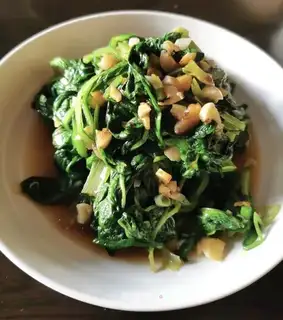
- Sautéing or Stir-Frying: While often eaten raw, butter lettuce can be lightly sautéed with garlic and olive oil for a warm side dish.
To preserve its nutritional value, avoid overcooking butter lettuce, as excessive heat can degrade heat-sensitive vitamins like vitamin C. Opt for light dressings (e.g., lemon juice, olive oil) to maximize nutrient absorption.
V. Conclusion
Butter lettuce is more than just a pretty leafy green—it is a nutritional powerhouse that offers a host of health benefits, from supporting heart and bone health to boosting immunity and aiding digestion. Its low calorie density, high nutrient content, and culinary versatility make it an excellent addition to any diet. However, like all foods, it should be consumed mindfully: wash it thoroughly to avoid pesticide residues, be cautious if taking blood thinners, and watch for allergic reactions or digestive sensitivity. By incorporating butter lettuce into meals regularly, individuals can enjoy its delicious flavor while reaping the rewards of its remarkable nutritional profile. Whether in a crisp salad, a hearty wrap, or a refreshing smoothie, butter lettuce proves that healthy eating can be both simple and satisfying.