Introduction
In the realm of leafy green vegetables, few are as underappreciated yet nutritionally dense as Malva verticillata, commonly known as "面条菜" (miantiao cai) in China. Also referred to as "mallow," "round-leaved mallow," or "Chinese mallow," this versatile plant has been a staple in traditional Chinese cuisine and medicine for centuries. With its mild, earthy flavor and tender leaves,面条菜 is not only a delicious addition to dishes but also a powerhouse of vitamins, minerals, and bioactive compounds. This article explores the nutritional profile of面条菜, its health benefits, potential consumption precautions, and its role in a balanced diet.
Nutritional Value of Malva verticillata
面条菜 belongs to the Malvaceae family and is native to Asia, Europe, and North Africa. Its young leaves and stems are the primary edible parts, harvested before the plant matures to ensure tenderness. Nutritionally,面条菜 stands out for its exceptional diversity of essential nutrients, making it a valuable functional food.
1. Rich in Vitamins
Malva verticillata is a potent source of fat-soluble and water-soluble vitamins. It is particularly high in vitamin A, in the form of beta-carotene, which is crucial for vision, immune function, and cell growth. A 100-gram serving of fresh面条菜 provides approximately 8,000 IU of vitamin A, exceeding the daily recommended intake for adults. Additionally, it is abundant in vitamin C, a powerful antioxidant that supports collagen synthesis, skin health, and immune defense. Vitamin K, essential for blood clotting and bone metabolism, is also present in significant amounts, with 100 grams offering around 300 micrograms, roughly 250% of the daily requirement.
2. Mineral-Rockstar
The vegetable is a notable source of essential minerals, including calcium, iron, magnesium, and potassium. Calcium is vital for bone and teeth health, and面条菜 contains more calcium per serving than many leafy greens like spinach (when bioavailability is considered). Iron, critical for oxygen transport and energy production, is particularly beneficial for individuals with iron-deficiency anemia. Magnesium supports muscle and nerve function, while potassium helps regulate blood pressure and fluid balance.
3. Dietary Fiber and Low Calories
Malva verticillata is an excellent source of dietary fiber, with 100 grams providing about 5 grams of fiber. Fiber aids digestion, promotes satiety, and helps regulate blood sugar levels and cholesterol. Moreover,面条菜 is low in calories (around 30 calories per 100 grams), making it an ideal choice for weight management diets.
4. Bioactive Compounds
Beyond macronutrients and micronutrients,面条菜 contains unique bioactive compounds, including flavonoids, phenolic acids, and mucilage. Flavonoids such as quercetin and kaempferol exhibit antioxidant, anti-inflammatory, and anti-cancer properties. Mucilage, a gelatinous substance, soothes the digestive tract and alleviates symptoms of gastritis or irritable bowel syndrome (IBS).
Health Benefits of Malva verticillata
The combination of nutrients and bioactive compounds in面条菜 confers a wide range of health benefits, supported by both traditional use and modern scientific research.
1. Supports Digestive Health
Mucilage, a key component of面条菜, acts as a natural demulcent, coating the stomach and intestinal lining to reduce irritation and inflammation. This makes it particularly beneficial for individuals with digestive disorders such as gastritis, acid reflux, or constipation. The high fiber content further promotes regular bowel movements and supports a healthy gut microbiome by serving as a prebiotic.
2. Enhances Immune Function
The high levels of vitamin C and vitamin A in面条菜 play a synergistic role in boosting immune function. Vitamin C stimulates the production of white blood cells and enhances their ability to fight pathogens, while vitamin A maintains the integrity of mucosal barriers (e.g., in the respiratory and digestive tracts), preventing pathogen invasion. Studies also suggest that the flavonoids in面条菜 exhibit immunomodulatory effects, helping to regulate immune responses and reduce inflammation.
3. Promotes Skin and Hair Health
Vitamin A and vitamin C are essential for skin health. Vitamin A supports cell turnover and repair, reducing the risk of acne and premature aging, while vitamin C stimulates collagen synthesis, improving skin elasticity and wound healing. Additionally, the antioxidants in面条菜 protect skin cells from oxidative damage caused by UV radiation and pollution. For hair, the iron content prevents hair loss by ensuring adequate oxygen supply to hair follicles, while vitamin C enhances iron absorption.
4. Regulates Blood Sugar and Cholesterol
Malva verticillata may help manage diabetes and cardiovascular disease due to its fiber and antioxidant content. Fiber slows down carbohydrate digestion, preventing rapid spikes in blood sugar levels. Flavonoids, such as quercetin, have been shown to improve insulin sensitivity and reduce insulin resistance. Furthermore, fiber binds to bile acids in the intestines, lowering LDL ("bad") cholesterol levels and reducing the risk of atherosclerosis.
5. Anti-Inflammatory and Analgesic Properties
Traditional Chinese medicine has long used面条菜 to treat inflammatory conditions such as arthritis, bronchitis, and skin rashes. Modern research attributes these effects to its high concentration of flavonoids and phenolic acids, which inhibit pro-inflammatory enzymes (e.g., COX-2) and cytokines. Mucilage also contributes to its anti-inflammatory effects by soothing inflamed tissues.
6. Detoxification and Liver Health
Malva verticillata is believed to support liver function by promoting the elimination of toxins. Its antioxidant content protects liver cells from oxidative stress caused by free radicals and environmental toxins. Some studies suggest that the flavonoids in面条菜 enhance the activity of detoxification enzymes in the liver, aiding in the metabolism of drugs and pollutants.
Precautions and Potential Side Effects
While Malva verticillata offers numerous health benefits, it is important to consume it in moderation and be aware of potential precautions, especially for certain populations.
1. Oxalate Content
Like many leafy greens (e.g., spinach, kale),面条菜 contains oxalates, compounds that can bind to calcium and form kidney stones in susceptible individuals. People with a history of kidney stones or oxalate-related kidney issues should limit their intake and avoid consuming it raw (cooking reduces oxalate levels).
2. Diuretic Effects
Malva verticillata has mild diuretic properties, which can help flush excess fluid from the body. However, excessive consumption may lead to dehydration or electrolyte imbalances, particularly in individuals taking diuretic medications or those with kidney or heart conditions.
3. Pregnancy and Breastfeeding
Pregnant and breastfeeding women should exercise caution when consuming面条菜. While it is generally safe in moderate amounts, high doses of its bioactive compounds (e.g., flavonoids) may potentially affect hormone levels or fetal development. Consulting a healthcare provider before regular consumption is advisable.
4. Drug Interactions
The vegetable’s vitamin K content may interfere with blood-thinning medications (e.g., warfarin), as vitamin K plays a key role in blood clotting. Individuals taking anticoagulants should maintain consistent vitamin K intake and avoid sudden increases in面条菜 consumption. Additionally, its diuretic effects may potentiate the effects of diuretic drugs, leading to electrolyte imbalances.
5. Contamination Risks
As a wild or foraged green,面条菜 may be exposed to environmental pollutants, pesticides, or heavy metals if harvested from contaminated areas. It is crucial to source面条菜 from reputable suppliers or grow it organically to minimize risks. Thorough washing before consumption is also essential.
Culinary Uses and Preparation Tips
Malva verticillata’s mild, slightly sweet flavor and tender texture make it a versatile ingredient in various cuisines. Here are some popular ways to prepare it:
1. Stir-Fries and Soups
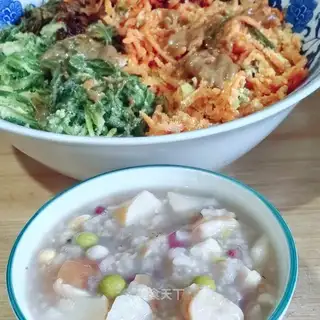
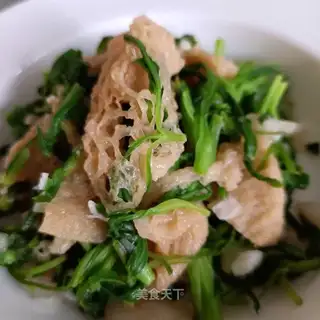
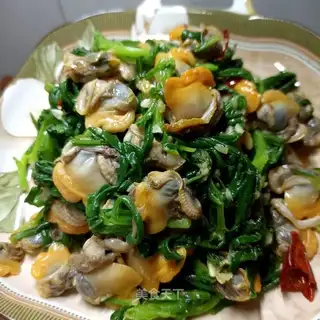
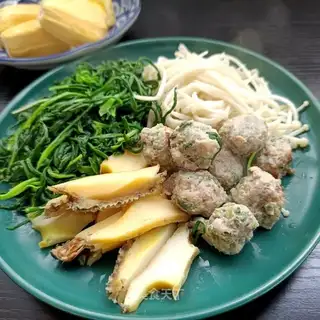
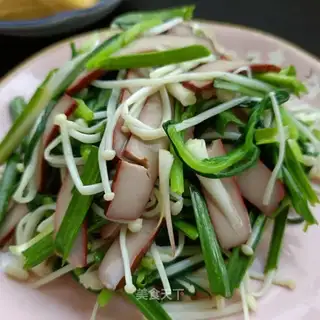
In Chinese cuisine,面条菜 is commonly stir-fried with garlic, ginger, or tofu, or added to soups and stews for a nutrient boost. Its quick cooking time (2–3 minutes) preserves its nutrients and texture.
2. Salads and Smoothies
Fresh, young leaves can be used in salads, similar to spinach or arugula. For a nutrient-packed drink, blend面条菜 with fruits (e.g., bananas, berries) and a liquid base (e.g., almond milk) for a green smoothie.
3. Steaming and Blanching
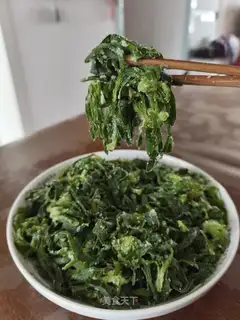
Steaming or blanching面条菜 for 1–2 minutes softens its leaves and reduces oxalate levels, making it safer for individuals prone to kidney stones. Season with a light drizzle of olive oil and lemon juice to enhance flavor and nutrient absorption.
4. Traditional Dishes
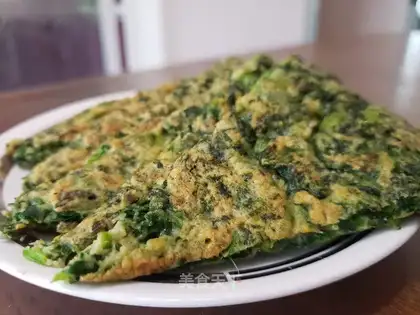
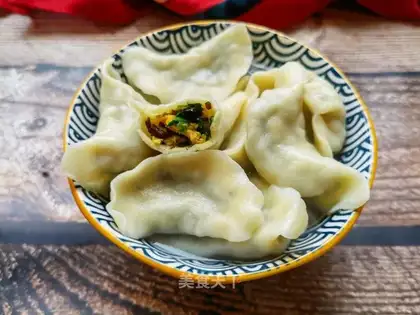
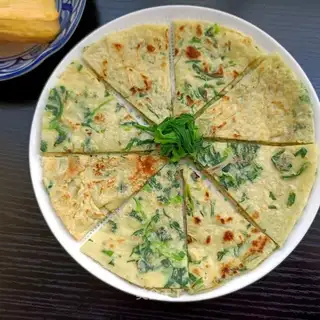
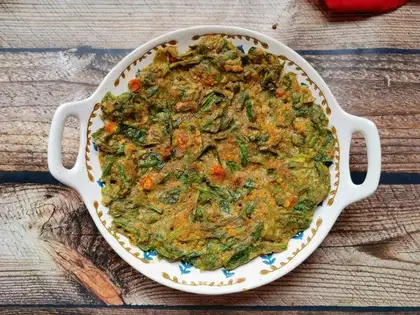
In some regions of China,面条菜 is used to make dumplings, pancakes, or even pickles. Its mucilage content gives dishes a slightly gelatinous texture, which is prized in traditional preparations.
Conclusion
Malva verticillata, or面条菜, is a nutritional powerhouse that offers a remarkable array of vitamins, minerals, and bioactive compounds. From supporting digestive and immune health to regulating blood sugar and promoting skin vitality, its benefits are backed by both traditional wisdom and modern science. However, like all foods, it should be consumed mindfully, with attention to potential risks such as oxalate content and drug interactions. By incorporating this humble green into a balanced diet, individuals can harness its health-boosting properties while savoring its unique flavor and versatility. As interest in functional foods and plant-based nutrition grows,面条菜 is poised to gain well-deserved recognition as a superfood in global cuisine.