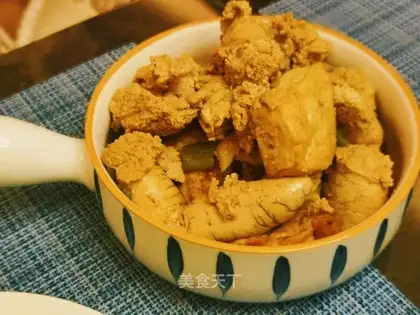
Fish roe, the eggs of marine or freshwater fish, has long been prized across cultures as a delicacy. From the vibrant orange ikura of salmon to the delicate black caviar of sturgeon, this humble ingredient is more than a culinary delight—it is a nutritional powerhouse packed with essential nutrients. However, its consumption is not without considerations. This article explores the nutritional profile of fish roe, its health benefits, and important precautions to ensure safe and enjoyable consumption.
I. Nutritional Profile of Fish Roe: A Concentrated Source of Essential Nutrients
Fish roe is a nutrient-dense food, meaning it provides a high concentration of vitamins, minerals, proteins, and healthy fats in a small serving. Its nutritional composition varies slightly by fish species, but overall, it stands out for its rich content of omega-3 fatty acids, high-quality protein, and micronutrients critical for human health.
1. Omega-3 Fatty Acids: Brain and Heart Health
One of the most notable nutritional attributes of fish roe is its high omega-3 fatty acid content, particularly EPA (eicosapentaenoic acid) and DHA (docosahexaenoic acid). These polyunsaturated fats are essential for the body, as they cannot be synthesized in sufficient amounts and must be obtained through diet. A 100-gram serving of salmon roe contains approximately 2-3 grams of EPA and DHA combined.
Omega-3s are renowned for their cardioprotective effects: they reduce triglycerides, lower blood pressure, decrease inflammation, and improve endothelial function. For the brain, DHA is a structural component of neuronal membranes, supporting cognitive function, memory, and mood regulation. Studies suggest that adequate DHA intake may reduce the risk of age-related cognitive decline and depression.
2. High-Quality Protein: Building Blocks for Health
Fish roe is an excellent source of complete protein, providing all nine essential amino acids that the body cannot produce. A 100-gram serving of cod roe, for example, contains around 20-25 grams of protein, making it a valuable addition to diets for muscle repair, tissue maintenance, and immune function. Protein also promotes satiety, aiding in weight management by reducing overall calorie intake.
3. Vitamins: A Spectrum of Essential Micronutrients
Fish roe is a rich source of fat-soluble and water-soluble vitamins, including:
- Vitamin B12: Critical for nerve function, DNA synthesis, and red blood cell formation. A single tablespoon of salmon roe can provide over 100% of the daily recommended intake (DRI) of B12, making it particularly beneficial for vegetarians or individuals with B12 deficiencies.
- Vitamin D: Often called the “sunshine vitamin,” vitamin D regulates calcium absorption, bone health, and immune function. Fish roe is one of the few natural dietary sources of vitamin D, with 100 grams of sturgeon roe containing up to 30% of the DRI.
- Vitamin A: Essential for vision, immune function, and skin health. Fish roe, particularly from cod and herring, provides retinol (pre-formed vitamin A) and carotenoids, which the body converts to vitamin A.
- Vitamin E: A powerful antioxidant that protects cells from oxidative damage. Fish roe’s vitamin E content works synergistically with omega-3s to reduce inflammation and prevent lipid peroxidation.
4. Minerals: Bone Health, Immunity, and More
Fish roe is loaded with minerals that play vital roles in physiological processes:
- Selenium: A trace mineral that acts as an antioxidant, supporting thyroid function and immune health. Selenium deficiency has been linked to increased risk of heart disease and cognitive decline. Fish roe, especially from tuna and salmon, is an abundant source.
- Iron: Essential for oxygen transport in the blood and energy production. Unlike plant-based iron, the heme iron in fish roe is highly bioavailable, making it an excellent choice for individuals with iron-deficiency anemia.
- Zinc: Critical for immune function, wound healing, and DNA synthesis. A 100-gram serving of herring roe provides over 50% of the DRI for zinc.
- Calcium and Phosphorus: These minerals work together to support bone and teeth health. Fish roe, particularly from sardines and anchovies, contains significant amounts of both, contributing to bone density.
II. Health Benefits of Fish Roe: Beyond Nutrition
The unique combination of nutrients in fish roe translates to a range of health benefits, from cardiovascular support to cognitive enhancement.
1. Cardiovascular Health
The omega-3 fatty acids in fish roe are well-documented for their heart-protective effects. They reduce levels of LDL (“bad”) cholesterol while increasing HDL (“good”) cholesterol, lower triglycerides, and decrease arterial plaque formation. Additionally, omega-3s reduce inflammation in blood vessels, improving blood flow and reducing the risk of hypertension and atherosclerosis. A 2020 study published in Journal of the American College of Cardiology found that regular consumption of omega-3-rich foods like fish roe was associated with a 30% lower risk of heart attack.
2. Brain Health and Cognitive Function
DHA, a key omega-3 in fish roe, is abundant in the brain and retina. It supports neurodevelopment in infants and children and helps maintain cognitive function in adults. Research suggests that adequate DHA intake may delay the onset of Alzheimer’s disease and improve memory in older adults. The vitamin B12 in fish roe also plays a role in nerve health, as deficiency can lead to numbness, tingling, and cognitive impairment.
3. Immune System Support
Fish roe’s high zinc and selenium content strengthens the immune system by enhancing the production of white blood cells and antibodies. Zinc, in particular, is critical for the development and function of immune cells, helping the body fight off infections and reduce inflammation. The antioxidants in fish roe, such as vitamin E and selenium, neutralize free radicals, reducing oxidative stress that can weaken the immune system.
4. Skin and Hair Health
The combination of omega-3s, vitamin E, and vitamin A in fish roe promotes healthy skin and hair. Omega-3s reduce inflammation, which can alleviate conditions like eczema and psoriasis. Vitamin E protects skin cells from UV damage and premature aging, while vitamin A supports skin cell turnover and collagen production. Additionally, the protein in fish roe provides amino acids necessary for hair growth and strength.
5. Reproductive Health
Fish roe is a traditional remedy for enhancing fertility, and modern science supports its role in reproductive health. The high zinc content is essential for sperm production in men and egg development in women. Omega-3s also support fetal brain development during pregnancy, making fish roe a valuable food for expectant mothers (when consumed safely, as discussed later).
III. Precautions and Considerations: Who Should Be Cautious?
While fish roe offers numerous health benefits, it is not suitable for everyone. Certain groups should exercise caution or avoid it altogether due to its nutritional composition and potential contaminants.
1. High Cholesterol and Sodium Content
Fish roe is naturally high in cholesterol, with 100 grams of cod roe containing around 500-600 milligrams—nearly 200% of the American Heart Association’s recommended daily limit (300 milligrams). For individuals with hypercholesterolemia or a history of heart disease, excessive consumption may exacerbate cholesterol levels. However, recent research suggests that dietary cholesterol has a minimal impact on blood cholesterol for most people, as the body compensates by reducing its own cholesterol production. Still, moderation is key.
Additionally, some commercially prepared fish roe (e.g., salted caviar) is high in sodium, which can contribute to high blood pressure and fluid retention. A 100-gram serving of salted caviar may contain 1,500-2,000 milligrams of sodium—over 60% of the daily recommended limit (2,300 milligrams). Individuals with hypertension or kidney disease should opt for low-sodium varieties or limit intake.
2. Contaminants: Mercury and Pollutants
As fish accumulate toxins from their environment, fish roe may contain higher levels of contaminants than fish meat, as eggs concentrate pollutants. Mercury, a neurotoxin, is a particular concern for large predatory fish like tuna and swordfish. Pregnant women, nursing mothers, and young children should avoid high-mercury fish roe to prevent developmental issues.
To minimize risk, choose roe from smaller, low-mercury fish such as salmon, cod, or herring. Opt for sustainably sourced roe from reputable suppliers to reduce exposure to pollutants like PCBs (polychlorinated biphenyls) and dioxins.
3. Allergies
Fish roe is a common allergen, particularly for individuals with fish or shellfish allergies. The proteins in roe can trigger allergic reactions ranging from mild (hives, itching) to severe (anaphylaxis). Those with known allergies should avoid fish roe entirely and carry an epinephrine auto-injector if necessary.
4. Pregnancy and Lactation
While fish roe is rich in nutrients like omega-3s and vitamin B12, which are beneficial during pregnancy, its high mercury content and risk of bacterial contamination pose risks. Pregnant women should avoid raw fish roe (e.g., ikura) and choose pasteurized or cooked varieties from low-mercury fish. Consulting a healthcare provider before consumption is advisable.
5. Gout and Purine Intake
Fish roe is high in purines, natural compounds that break down into uric acid. In individuals with gout, high uric acid levels can trigger painful joint inflammation. A 100-gram serving of fish roe may contain 300-400 milligrams of purines—above the recommended limit (100-200 milligrams per day) for gout patients. Those with gout should limit intake or avoid fish roe during flare-ups.
IV. How to Incorporate Fish Roe into a Healthy Diet
Fish roe can be a nutritious addition to a balanced diet when consumed in moderation. Here are some practical tips:
- Choose Wisely: Opt for roe from low-mercury fish (salmon, cod, herring) and select pasteurized products if pregnant or immunocompromised.
- Portion Control: Limit intake to 1-2 tablespoons per serving to avoid excessive cholesterol, sodium, or purines.
- Preparation Methods: Enjoy fish roe raw (e.g., as sushi or sashimi), lightly seared, or as a garnish for salads, pasta, or toast. Avoid frying or adding excessive salt to preserve its nutritional benefits.
- Balance with Other Foods: Pair fish roe with fiber-rich vegetables (e.g., spinach, avocado) and whole grains to create a balanced meal that enhances nutrient absorption.
Conclusion
Fish roe is a nutrient-dense ingredient that offers a wealth of health benefits, from supporting heart and brain health to boosting immunity and skin vitality. Its rich content of omega-3s, protein, vitamins, and minerals makes it a valuable addition to a healthy diet. However, its high cholesterol, sodium, and potential contaminants require moderation and careful selection, particularly for vulnerable populations like pregnant women, individuals with gout, or those with fish allergies. By choosing high-quality roe and consuming it mindfully, one can enjoy its culinary and nutritional advantages while minimizing risks. As with any food, knowledge and balance are key to reaping the rewards of this oceanic delicacy.