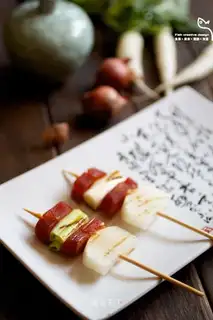
Monk fish roe, known as Miko (乌鱼子) in Taiwanese cuisine, is a revered delicacy celebrated for its rich flavor, unique texture, and cultural significance. Sourced from the ovaries of the monk fish (Synaphobranchus spp.), this amber-hued delicacy is often referred to as "caviar of the East" due to its luxurious profile. While prized for its culinary appeal, Miko also boasts impressive nutritional value and potential health benefits. However, like many gourmet ingredients, it requires careful preparation and awareness of consumption guidelines. This article explores the nutritional composition, health benefits, and precautions associated with monk fish roe, offering a comprehensive guide for food enthusiasts and health-conscious individuals alike.
Nutritional Value of Monk Fish Roe
Monk fish roe is a nutrient-dense food, packed with high-quality protein, essential fatty acids, vitamins, and minerals. Its nutritional profile makes it a valuable addition to a balanced diet when consumed in moderation.
1. High-Quality Protein
Protein is a macronutrient essential for muscle repair, immune function, and overall growth. Miko is rich in complete proteins, containing all nine essential amino acids that the body cannot synthesize independently. A 100-gram serving of dried monk fish roe provides approximately 60–70 grams of protein, making it an excellent protein source for individuals with high dietary needs, such as athletes or those recovering from illness.
2. Omega-3 Fatty Acids
One of the standout features of monk fish roe is its omega-3 fatty acid content, specifically eicosapentaenoic acid (EPA) and docosahexaenoic acid (DHA). These polyunsaturated fats play a critical role in reducing inflammation, supporting cardiovascular health, and promoting brain function. Studies link omega-3 intake to a lower risk of heart disease, improved cognitive function, and reduced symptoms of depression. While Miko contains less omega-3 than fish like salmon, its concentrated form makes it a potent source.
3. Vitamins and Minerals
Miko is a rich source of several vitamins and minerals, including:
- Vitamin B12: Essential for nerve function, DNA synthesis, and red blood cell production. A single serving of Miko can exceed the daily recommended intake of B12, making it beneficial for individuals at risk of deficiency, such as vegetarians or older adults.
- Iron: Crucial for oxygen transport in the blood and preventing anemia. The heme iron in Miko is more easily absorbed by the body than non-heme iron from plant sources.
- Selenium: A powerful antioxidant that supports immune health and protects cells from oxidative damage. Selenium also plays a role in thyroid function.
- Zinc: Important for immune function, wound healing, and DNA synthesis.
- Phosphorus: Works with calcium to maintain strong bones and teeth.
4. Cholesterol and Fat Content
Monk fish roe is relatively high in cholesterol (approximately 500–600 mg per 100 grams) and fat (30–40 grams per 100 grams), with a significant portion being unsaturated fats. While dietary cholesterol was once feared, modern research suggests that for most people, saturated and trans fats have a greater impact on blood cholesterol levels. The unsaturated fats in Miko may even help improve lipid profiles when consumed as part of a balanced diet.
Health Benefits of Monk Fish Roe
Beyond its nutritional composition, monk fish roe offers several health benefits, supported by both traditional medicine and modern science.
1. Supports Brain Health and Cognitive Function
The high levels of DHA in Miko are particularly beneficial for brain health. DHA is a major structural component of the brain and retina, and adequate intake is linked to improved memory, focus, and reduced risk of age-related cognitive decline. Pregnant and breastfeeding women may also benefit from DHA, as it supports fetal brain and eye development.
2. Promotes Cardiovascular Health
Omega-3 fatty acids in Miko help reduce triglycerides, lower blood pressure, and decrease the risk of arrhythmias, all of which contribute to a healthier heart. Additionally, the antioxidants in Miko, such as selenium, help reduce oxidative stress, a key factor in the development of atherosclerosis.
3. Boosts Immune Function
The combination of zinc, selenium, and vitamin B12 in Miko supports immune function. Zinc is essential for the development and activation of immune cells, while selenium enhances the body’s antioxidant defenses, helping to fight infections and reduce inflammation.
4. Enhances Skin and Hair Health
The omega-3 fatty acids and vitamin E in Miko (a nutrient often found alongside roe) help maintain skin hydration and elasticity, reducing the signs of aging. These fats also support hair health by nourishing hair follicles and preventing dryness.
5. Provides Energy and Nutrient Density
As a calorie-dense food, Miko is an excellent energy source for individuals with high metabolic demands, such as athletes or manual laborers. Its nutrient density also makes it a valuable food for those with limited appetites or difficulty meeting nutritional needs through whole foods alone.
Precautions and Potential Risks
While monk fish roe offers numerous health benefits, there are important precautions to consider to ensure safe consumption.
1. High Sodium Content
Dried monk fish roe is often preserved with salt, resulting in a high sodium content (approximately 2,000–3,000 mg per 100 grams). Excessive sodium intake can contribute to high blood pressure, kidney strain, and cardiovascular disease. Individuals with hypertension, kidney disease, or those on a low-sodium diet should consume Miko sparingly and opt for lightly salted varieties when available.
2. Purine Levels and Gout Risk
Monk fish roe is moderately high in purines, natural compounds that break down into uric acid in the body. High uric acid levels can trigger gout, a painful form of arthritis in susceptible individuals. Those with a history of gout or hyperuricemia should avoid or limit their intake of Miko, especially during flare-ups.
3. Heavy Metal Contamination
As a seafood product, monk fish roe may be at risk of heavy metal contamination, such as mercury or cadmium, depending on the fish’s habitat. These toxins can accumulate in the body over time, leading to neurological and kidney damage. To minimize risk, consumers should source Miko from reputable suppliers and adhere to guidelines for seafood consumption, particularly for pregnant women, nursing mothers, and young children.
4. Allergic Reactions
While rare, some individuals may be allergic to fish roe or seafood in general. Symptoms can range from mild (hives, itching) to severe (anaphylaxis). Those with known seafood allergies should avoid Miko altogether and consult a healthcare provider if unsure.
5. Pregnancy and Lactation
Pregnant and breastfeeding women should consume monk fish roe in moderation due to potential mercury contamination. However, the omega-3 fatty acids in Miko can be beneficial for fetal development. It is advisable to consult a healthcare provider and choose low-mercury sources, such as sustainably farmed monk fish roe.
6. Preparation and Storage
Improper preparation can increase the risk of foodborne illness. Dried Miko should be thoroughly cleaned and soaked to remove excess salt before consumption. It should be stored in a cool, dry place or refrigerated to prevent spoilage. Fresh monk fish roe, if available, should be consumed promptly and kept at low temperatures to maintain freshness.
Culinary Uses and Preparation Tips
Monk fish roe is a versatile ingredient used in various cuisines, particularly in Taiwanese, Japanese, and Mediterranean dishes. Its unique briny, umami-rich flavor makes it a popular garnish or appetizer.
1. Traditional Taiwanese Preparation
In Taiwan, Miko is often served pan-seared or grilled, sliced thinly, and paired with ginger, garlic, and a splash of rice wine. The roe is typically dried and cured before cooking, intensifying its flavor and texture. A popular dish is Miko Bing (乌鱼子饼), where the roe is flattened, lightly grilled, and served with a dipping sauce of soy sauce and rice vinegar.
2. Japanese Cuisine
In Japan, monk fish roe (known as ankimo) is a delicacy, often served as simmered (nimono) or steamed dishes. It is typically marinated in sake and soy sauce before cooking, resulting in a tender, melt-in-your-mouth texture.
3. Western Adaptations
In Western cuisine, Miko is sometimes used as a substitute for caviar, topping dishes like sushi, pasta, or canapés. Its rich flavor pairs well with neutral ingredients such as avocado, cucumber, or sour cream.
4. Serving Suggestions
- Appetizer: Serve thinly sliced, grilled Miko with crackers and cream cheese.
- Main Course: Pan-sear Miko and serve alongside grilled vegetables or rice.
- Salad: Top a green salad with small amounts of Miko for a burst of umami.
Conclusion
Monk fish roe is a culinary treasure that offers a unique blend of flavor, nutrition, and cultural heritage. Its high protein, omega-3, and vitamin content make it a valuable addition to a healthy diet, supporting brain health, cardiovascular function, and immune response. However, its high sodium, purine, and potential heavy metal content necessitate mindful consumption, particularly for individuals with specific health conditions.
By sourcing high-quality Miko, preparing it properly, and consuming it in moderation, food enthusiasts can enjoy this delicacy while reaping its nutritional benefits. Whether pan-seared, grilled, or served as a garnish, monk fish roe remains a testament to the ocean’s bounty and the art of gourmet cuisine. As with all foods, balance and awareness are key to unlocking its full potential while minimizing risks.