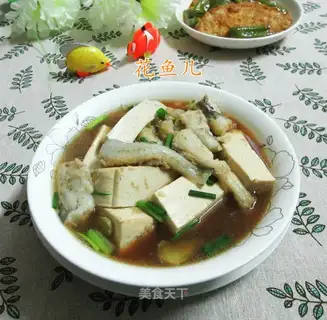
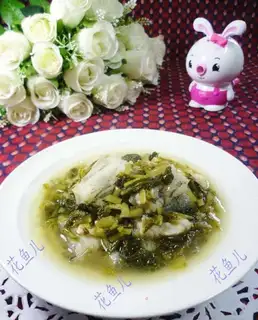
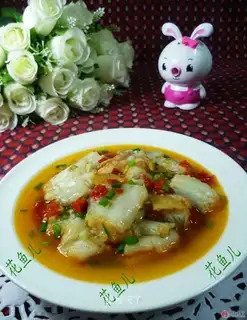
Sand lance, known by various names such as sand eel, laoshan fish, or needlefish in different regions, is a slender, silvery fish belonging to the Ammodytidae family. Despite its modest size—typically ranging from 10 to 20 centimeters in length—this small marine creature has long been a prized ingredient in coastal cuisines across Asia, Europe, and North America. Renowned for its delicate flavor, tender texture, and impressive nutritional profile, sand lance is more than just a culinary delight; it is a nutritional powerhouse with numerous health benefits. However, like all foods, it must be consumed mindfully to avoid potential risks. This article explores the nutritional value, health benefits, and precautions associated with sand lance, offering a comprehensive guide for seafood enthusiasts and health-conscious individuals alike.
I. Nutritional Value of Sand Lance
Sand lance is a nutrient-dense food, packed with high-quality protein, essential vitamins, and minerals, while being relatively low in calories. Its nutritional composition makes it an excellent addition to a balanced diet.
1. High-Quality Protein
Protein is a macronutrient essential for muscle repair, immune function, and overall growth. Sand lance is an exceptional source of lean protein, with approximately 18-20 grams of protein per 100 grams of cooked flesh. This protein is complete, meaning it contains all nine essential amino acids (histidine, isoleucine, leucine, lysine, methionine, phenylalanine, threonine, tryptophan, and valine) that the human body cannot synthesize on its own. The high bioavailability of these amino acids makes sand lance particularly beneficial for athletes, individuals recovering from illness, or those seeking to maintain muscle mass.
2. Omega-3 Fatty Acids
One of the most notable nutritional features of sand lance is its rich content of omega-3 fatty acids, specifically eicosapentaenoic acid (EPA) and docosahexaenoic acid (DHA). These polyunsaturated fats are critical for cardiovascular health, brain function, and reducing inflammation. A 100-gram serving of sand lance can provide up to 1.5 grams of EPA and DHA combined—significantly higher than many other small fish. Omega-3s have been linked to lower triglyceride levels, reduced risk of arrhythmias, and improved cognitive health, making sand lance a "brain food" with long-term protective effects.
3. Essential Vitamins
Sand lance is a natural source of several vital vitamins, including:
- Vitamin D: Often called the "sunshine vitamin," vitamin D is crucial for calcium absorption, bone health, and immune regulation. Sand lance is one of the few dietary sources of vitamin D, with approximately 200-300 IU per 100 grams, making it valuable for individuals with limited sun exposure.
- Vitamin B12: This vitamin is essential for nerve function, DNA synthesis, and the formation of red blood cells. A serving of sand lance can cover over 100% of the daily recommended intake of B12, reducing the risk of deficiency, which is common in vegetarians and older adults.
- Vitamin A and E: Vitamin A supports vision, immune health, and cell growth, while vitamin E acts as an antioxidant, protecting cells from oxidative damage. Sand lance contains moderate amounts of both, contributing to overall well-being.
4. Minerals
The mineral profile of sand lance is equally impressive:
- Calcium and Phosphorus: These minerals work synergistically to build and maintain strong bones and teeth. Sand lance provides around 100-150 mg of calcium and 200-250 mg of phosphorus per 100 grams, making it a good alternative to dairy for lactose-intolerant individuals.
- Iron: Essential for oxygen transport in the blood, iron deficiency can lead to anemia. Sand lance contains heme iron, which is more easily absorbed by the body than non-heme iron from plant sources. A 100-gram serving supplies about 1.5 mg of iron, or 8-10% of the daily requirement for adults.
- Zinc and Selenium: Zinc supports immune function and wound healing, while selenium acts as an antioxidant and supports thyroid health. Sand lance is a rich source of both, with selenium levels particularly high—around 50-60 micrograms per 100 grams, meeting or exceeding daily needs.
5. Low in Calories and Fat
For those watching their weight, sand lance is an ideal choice. With only 80-100 calories per 100 grams and minimal fat (1-2 grams), it provides substantial nutrients without excessive caloric intake. Its low-fat content is primarily composed of heart-healthy unsaturated fats, with negligible saturated fat.
II. Health Benefits of Sand Lance
The unique combination of nutrients in sand lance translates to a wide range of health benefits, from heart and brain health to immune support and anti-inflammatory effects.
1. Cardiovascular Health
The omega-3 fatty acids in sand lance are well-documented for their cardioprotective properties. EPA and DHA help reduce inflammation in blood vessels, lower triglyceride levels, decrease blood pressure, and prevent the formation of blood clots. Regular consumption of sand lance has been associated with a reduced risk of heart disease, stroke, and atherosclerosis. Additionally, its low saturated fat content further supports heart health by maintaining healthy cholesterol levels.
2. Brain and Cognitive Function
DHA, a key omega-3 in sand lance, is a major structural component of the brain and retina. It plays a critical role in neurodevelopment, synaptic function, and cognitive performance. Studies suggest that adequate DHA intake may improve memory, focus, and learning abilities while reducing the risk of age-related cognitive decline, such as Alzheimer’s disease. For pregnant and breastfeeding women, consuming sand lance can support fetal brain development, as DHA is transferred to the fetus via the placenta and breast milk.
3. Anti-Inflammatory and Joint Health
Chronic inflammation is linked to numerous health conditions, including arthritis, diabetes, and autoimmune diseases. The omega-3s in sand lance inhibit the production of pro-inflammatory molecules (such as cytokines and prostaglandins), helping to alleviate inflammation. For individuals with rheumatoid arthritis, regular consumption of sand lance may reduce joint pain, stiffness, and swelling, improving overall mobility and quality of life.
4. Immune System Support
Sand lance’s rich array of vitamins and minerals strengthens the immune system. Vitamin D enhances the pathogen-fighting effects of monocytes and macrophages—key immune cells—while vitamin C (present in smaller amounts) supports white blood cell function. Zinc, another critical nutrient in sand lance, is essential for immune cell development and communication, helping the body fight off infections more effectively.
5. Bone and Dental Health
The high calcium and phosphorus content in sand lance, combined with vitamin D, makes it excellent for maintaining bone density and preventing osteoporosis. Vitamin D facilitates calcium absorption in the gut, ensuring that this mineral is effectively utilized to build and repair bone tissue. Similarly, these nutrients support dental health by strengthening tooth enamel and reducing the risk of cavities.
6. Skin and Hair Health
The omega-3 fatty acids and vitamin E in sand lance promote healthy skin by maintaining moisture levels, reducing inflammation (which can cause acne and eczema), and protecting against UV damage. Vitamin A supports skin cell turnover, while zinc aids in wound healing and oil regulation. For hair, omega-3s nourish hair follicles, promoting growth and preventing dryness and breakage.
III. Precautions and Consumption Guidelines
While sand lance offers numerous health benefits, certain precautions must be taken to ensure safe and enjoyable consumption.
1. Freshness and Quality
As a small, perishable fish, sand lance spoils quickly if not handled properly. When purchasing fresh sand lance, look for clear, bright eyes, firm flesh, and a mild, briny scent (avoid fish with a strong ammonia odor). Frozen sand lance is a convenient alternative but should be stored at -18°C or below and consumed within 3-6 months for optimal quality.
2. Allergic Reactions
Like other fish, sand lance can trigger allergic reactions in sensitive individuals. Symptoms may include hives, swelling, difficulty breathing, or anaphylaxis in severe cases. Those with a known fish allergy should avoid sand lance entirely. If trying it for the first time, start with a small portion and monitor for adverse reactions.
3. Mercury and Contaminant Levels
Sand lance is a small, short-lived fish, which means it generally has lower mercury levels compared to larger, predatory fish (such as shark or swordfish). However, in regions with high industrial or agricultural pollution, sand lance may accumulate heavy metals or environmental toxins. To minimize risk, purchase from reputable sources, limit consumption to 2-3 times per week, and avoid fish from contaminated waters.
4. Preparation Methods
The health benefits of sand lance can be compromised by unhealthy cooking methods. Deep-frying or adding excessive oil and sodium increases calorie and fat intake, negating its nutritional advantages. Instead, opt for grilling, baking, steaming, or pan-searing with minimal oil. These methods preserve omega-3s and other nutrients while keeping the dish light and nutritious.
5. Special Populations
- Pregnant and Breastfeeding Women: While sand lance’s omega-3s are beneficial for fetal development, pregnant women should choose low-mercury varieties and consume it in moderation (2-3 times per week) to avoid excessive mercury exposure.
- Children: Sand lance can be a healthy addition to a child’s diet due to its protein and nutrient content, but portions should be smaller than for adults, and bones must be carefully removed to prevent choking.
- Individuals with Bleeding Disorders: Omega-3s have mild blood-thinning effects, so those taking anticoagulant medications (e.g., warfarin) or with bleeding disorders should consult a healthcare provider before consuming sand lance regularly.
6. Sustainability and Sourcing
Overfishing can deplete sand lance populations, disrupting marine ecosystems. Choose sustainably sourced sand lance, such as those certified by the Marine Stewardship Council (MSC), or opt for farmed varieties when available. Supporting sustainable fishing practices ensures the long-term availability of this nutritious fish while protecting ocean biodiversity.
IV. Culinary Uses and Recipe Ideas
Sand lance’s delicate flavor and tender texture make it a versatile ingredient in various cuisines. Here are some popular ways to prepare it:
1. Grilled Sand Lance
Marinate sand lance in soy sauce, ginger, garlic, and sesame oil for 30 minutes. Grill over medium heat for 3-4 minutes per side until the flesh turns opaque. Serve with steamed rice and a side of stir-fried vegetables for a balanced meal.
2. Steamed Sand Lance with Ginger and Scallions
Place sand lance on a heatproof dish, top with sliced ginger and scallions, and drizzle with light soy sauce. Steam for 5-7 minutes until cooked through. Heat a small amount of oil in a pan and pour it over the fish to enhance the aroma.
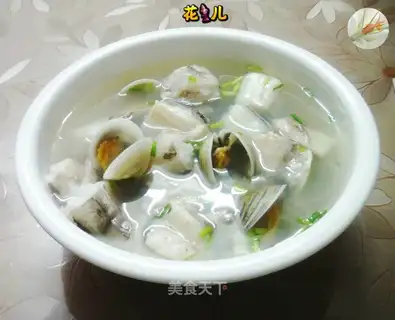
3. Sand Lance Soup
Simmer sand lance with tofu, mushrooms, and bok choy in a light broth (e.g., dashi or chicken stock) for 10-15 minutes. Season with salt, pepper, and a dash of rice vinegar for a comforting and nutritious soup.
4. Fried Sand Lance (Crispy Version)
Coat sand lance in a light batter made of flour, cornstarch, and water. Deep-fry at 180°C for 2-3 minutes until golden and crispy. Serve with a tangy dipping sauce (e.g., sweet chili or lemon sauce) as an appetizer.
Conclusion
Sand lance is a nutritional gem, offering a wealth of health benefits from its high protein, omega-3 fatty acids, and essential vitamins and minerals. Its versatility in cooking, combined with its low calorie and fat content, makes it an excellent choice for health-conscious individuals and seafood lovers alike. However, to fully enjoy its benefits, it is crucial to prioritize freshness, source sustainably, and consume it in moderation while being mindful of potential allergies and contaminants. Whether grilled, steamed, or added to soups, sand lance is a delicious and nutritious addition to a healthy diet, proving that great things often come in small packages.