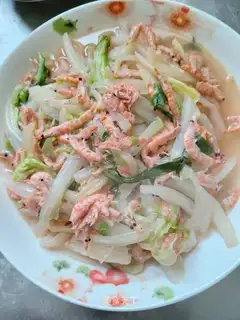
In the vast landscape of global cuisine, certain ingredients stand out not for their prominence, but for their remarkable ability to elevate dishes while packing a nutritional punch. Dried shrimp, a humble yet versatile staple in Asian, Mediterranean, and Latin American kitchens, is one such ingredient. For centuries, these tiny, sun-dried crustaceans have been valued for their umami-rich flavor, but modern science has now unveiled their impressive nutritional profile and health benefits. From bolstering bone health to supporting immune function, dried shrimp is a nutritional powerhouse. However, like all concentrated foods, it must be consumed mindfully. This article explores the nutritional value of dried shrimp, its scientifically backed health benefits, and important precautions to ensure safe and enjoyable consumption.
I. Nutritional Value of Dried Shrimp
Dried shrimp is a nutritional concentrate, meaning its small size belies a dense array of essential nutrients. Unlike fresh shrimp, which contains about 80% water, dried shrimp loses most of its moisture during the drying process, concentrating nutrients like protein, vitamins, and minerals. A 100-gram serving of dried shrimp (roughly 1 cup) provides approximately:
1. High-Quality Protein
Protein is the building block of muscles, tissues, and enzymes, and dried shrimp is an exceptional source. A 100-gram serving contains around 30–35 grams of protein, rivaling that of lean meats like chicken or beef. What sets dried shrimp apart is its amino acid profile: it provides all nine essential amino acids (histidine, isoleucine, leucine, lysine, methionine, phenylalanine, threonine, tryptophan, and valine), making it a "complete protein." This is particularly valuable for individuals following plant-based diets or looking to reduce meat consumption, as it supports muscle repair, growth, and overall metabolic function.
2. Abundant Minerals
Dried shrimp is a mineral superpower, especially in calcium, iron, zinc, and selenium.
- Calcium: A 100-gram serving provides roughly 500–600 milligrams of calcium, about 50% of the daily recommended intake for adults. This is critical for bone and teeth health, nerve function, and muscle contraction. For individuals lactose intolerant or avoiding dairy, dried shrimp offers a valuable alternative calcium source.
- Iron: With 5–6 milligrams of iron per 100 grams, dried shrimp is a potent tool in preventing iron deficiency anemia. Iron is essential for hemoglobin production, which carries oxygen in the blood. The iron in shrimp is non-heme iron (from plant/animal sources), but its absorption is enhanced by the vitamin C often consumed alongside it (e.g., in stir-fried vegetables with dried shrimp).
- Zinc: At 3–4 milligrams per 100 grams, dried shrimp supports immune function, wound healing, and DNA synthesis. Zinc deficiency is linked to weakened immunity and delayed growth, making this mineral crucial for overall health.
- Selenium: A 100-gram serving contains 50–60 micrograms of selenium, exceeding the daily recommended intake (55 micrograms for adults). Selenium acts as a powerful antioxidant, protecting cells from damage, and plays a role in thyroid hormone metabolism.
3. Vitamins and Bioactive Compounds
While dried shrimp is not a primary source of vitamins, it provides small but significant amounts of vitamin B12, vitamin E, and choline.
- Vitamin B12: Essential for nerve function and red blood cell formation, vitamin B12 is primarily found in animal products. A 100-gram serving of dried shrimp offers about 1–2 micrograms, covering the daily requirement (2.4 micrograms for adults). This is particularly beneficial for vegans or vegetarians who may struggle to obtain B12 from plant sources.
- Vitamin E: An antioxidant that protects cells from oxidative stress, vitamin E is present in small amounts in dried shrimp. When combined with selenium, it enhances the body’s defense against free radicals.
- Choline: This nutrient supports brain development, liver function, and muscle movement. Dried shrimp contains moderate levels of choline, contributing to daily intake recommendations (425–550 milligrams for adults).
4. Low in Fat and Calories
Despite its nutrient density, dried shrimp is relatively low in fat (1–2 grams per 100 grams) and calories (150–200 calories per 100 grams). Most of its fat is unsaturated, including heart-healthy omega-3 fatty acids like EPA and DHA, which reduce inflammation and support brain health.
II. Health Benefits of Dried Shrimp
The nutritional profile of dried shrimp translates into a range of health benefits, backed by scientific research.
1. Promotes Bone and Dental Health
The high calcium and phosphorus content in dried shrimp makes it a boon for bone health. Calcium provides the structural framework for bones, while phosphorus aids in mineralization and repair. Studies show that adequate calcium intake reduces the risk of osteoporosis, especially in postmenopausal women. Additionally, the presence of vitamin D (in some varieties, if sun-dried) enhances calcium absorption, further strengthening bones and teeth.
2. Supports Immune Function
Dried shrimp’s combination of zinc, selenium, and vitamin B12 creates a powerful immune-boosting effect. Zinc stimulates the production of immune cells like T-lymphocytes and natural killer cells, while selenium enhances the activity of antioxidants that protect immune cells from damage. A 2017 study published in The Journal of Nutrition found that selenium deficiency impairs immune response, increasing susceptibility to infections. For individuals prone to colds or infections, regular consumption of dried shrimp may help fortify the immune system.
3. Enhances Muscle Growth and Repair
As a complete protein source, dried shrimp is ideal for athletes, older adults, and those recovering from illness. Protein provides the amino acids needed to synthesize muscle proteins, while its low fat content makes it a lean alternative to fatty meats. Research in the Journal of the International Society of Sports Nutrition confirms that high-quality protein intake supports muscle hypertrophy (growth) and reduces muscle loss, particularly in older adults.
4. Regulates Blood Pressure and Heart Health
Dried shrimp’s potassium content (about 200–300 milligrams per 100 grams) helps counteract the effects of sodium, a key factor in high blood pressure. Potassium relaxes blood vessels, reducing strain on the cardiovascular system. Additionally, its omega-3 fatty acids lower triglyceride levels, reduce inflammation, and prevent blood clots, lowering the risk of heart disease. However, individuals with hypertension should consume dried shrimp in moderation due to its sodium content (discussed later).
5. Combats Fatigue and Improves Cognitive Function
The iron and vitamin B12 in dried shrimp play a role in energy production. Iron ensures efficient oxygen transport to cells, while vitamin B12 helps metabolize fats and carbohydrates, converting food into energy. A deficiency in either nutrient can lead to fatigue, weakness, and cognitive decline. Moreover, choline supports brain health by aiding in the production of acetylcholine, a neurotransmitter critical for memory and mood regulation.
6. Antioxidant and Anti-Inflammatory Properties
Selenium and vitamin E in dried shrimp act as antioxidants, neutralizing free radicals that cause oxidative stress. Chronic oxidative stress is linked to aging, cancer, and chronic diseases like diabetes. By reducing inflammation, dried shrimp may lower the risk of conditions such as arthritis and inflammatory bowel disease (IBD). A 2020 study in Marine Drugs highlighted the anti-inflammatory effects of shrimp-derived peptides, suggesting potential therapeutic applications.
III. Precautions and Potential Risks
While dried shrimp offers numerous health benefits, its concentrated nature means it must be consumed with caution. Certain groups should limit or avoid intake, and proper preparation is key to minimizing risks.
1. High Sodium Content
Dried shrimp is extremely high in sodium, with 100 grams containing 1,500–2,000 milligrams—more than the daily recommended limit (2,300 milligrams for adults). Excessive sodium intake can lead to high blood pressure, fluid retention, and increased risk of stroke and heart disease. Individuals with hypertension, kidney disease, or cardiovascular issues should consume dried shrimp sparingly (e.g., 1–2 teaspoons per meal) and balance it with low-sodium foods like vegetables and whole grains.
2. Allergies and Sensitivities
Shrimp is one of the top eight food allergens, and dried shrimp is no exception. Allergic reactions can range from mild (hives, itching) to severe (anaphylaxis, difficulty breathing). People with shellfish allergies should strictly avoid dried shrimp. Even trace amounts can trigger reactions, so cross-contamination must be avoided (e.g., using separate utensils when cooking with dried shrimp).
3. Purine Content and Gout Risk
Dried shrimp is high in purines (150–200 milligrams per 100 grams), compounds that break down into uric acid. In individuals with gout or hyperuricemia (high uric acid levels), excessive purine intake can trigger painful joint inflammation. The Arthritis Foundation recommends limiting purine-rich foods to 100–150 milligrams per meal for gout patients. Those with a history of gout should consult a doctor before including dried shrimp in their diet.
4. Heavy Metal Contamination
Shrimp, especially wild-caught varieties, may accumulate heavy metals like mercury and cadmium from polluted oceans. While dried shrimp is generally safe from reputable sources, long-term consumption of contaminated products can lead to toxicity. To minimize risk, choose dried shrimp from trusted brands, check for certifications (e.g., FDA-approved), and limit intake to 2–3 times per week.
5. Preparation and Storage
Improper preparation can increase the risk of foodborne illness. Dried shrimp should be rinsed thoroughly under running water to remove dust, salt, and impurities before cooking. It should be stored in an airtight container in a cool, dry place to prevent moisture absorption and bacterial growth. Discard any dried shrimp with a sour smell or mold, as spoilage can produce harmful toxins.
IV. How to Incorporate Dried Shrimp into a Healthy Diet
Dried shrimp is incredibly versatile and can be added to a variety of dishes to enhance flavor and nutrition. Here are some ideas:
- Soups and Stews: Add a handful of dried shrimp to miso soup, congee, or vegetable stews for a umami boost.
- Stir-fries: Combine dried shrimp with garlic, ginger, and vegetables (e.g., broccoli, bell peppers) for a quick, nutrient-rich meal.
- Salads and Rice Dishes: Sprinkle dried shrimp over salads, fried rice, or noodle dishes to add crunch and protein.
- Sauces and Marinades: Soak dried shrimp in warm water to rehydrate, then blend into sauces for dipping or marinades for meat.
For maximum benefits, pair dried shrimp with vitamin C-rich foods (e.g., tomatoes, citrus) to enhance iron absorption, and balance its sodium content with potassium-rich ingredients like spinach or bananas.
Conclusion
Dried shrimp is a nutritional treasure trove, offering high-quality protein, bone-strengthening calcium, immune-boosting zinc and selenium, and heart-healthy omega-3s. Its versatility in cooking makes it an easy addition to a balanced diet, supporting muscle growth, immune function, and overall health. However, its high sodium, purine, and allergen content necessitate moderation, especially for individuals with hypertension, gout, or shellfish allergies. By choosing high-quality products, preparing it properly, and consuming it mindfully, dried shrimp can be a delicious and nutritious staple that enhances both the flavor and healthfulness of meals. As with all foods, the key to enjoying dried shrimp lies in balance—savoring its benefits while respecting its potential risks.