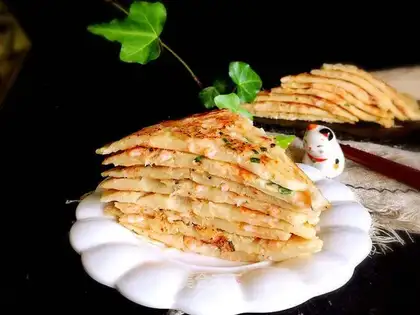
Antarctic krill, arthropod doors, krill, also known as krill or Antarctic krill, is a krill living in Antarctic waters in the Southern Ice Ocean. Antarctic krill is typical of high proteins and low fats, and is rich in amino acids in protein hydrolysed products, containing 18 amino acids, including 8 essential amino acids for humans. Of these, the highest levels were found, followed by lysine. Antarctic krill is not only rich in nutrients, but also contains a variety of active substances, such as protein digestion enzyme, amino acid, etc., which is considered to be the richest sea product with Omega-3! The first time I ate krill, the shrimp was small, the shell was soft, it didn't smell. I woke up with it and made pancakes. It was delicious
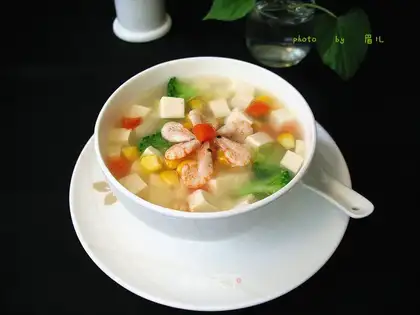
the introduction of a new diet - antarctic krill in the pure antarctic, which is the most “floating” marine life. actually, krill is not shrimp. it's a crustacean like shrimp. it's smaller than an ordinary shrimp head. it's crystallized, with black eyes and stylish shrimp beards. it is small and cute, and a krill is about 1-2 cm long, but it is well known for its size. antarctic krill is the most commonly found protein-rich organism, the largest animal protein bank on earth, with an animal protein content of more than 50 per cent and a antarctic krill (0.5g) containing protein equivalent to 5g beef. the krill also contains seven human essential amino acids, which are grown in very cold living conditions and contain hypothermia, which also contributes to blood resin and arthritis. in addition to its high edible value, it can also be used as a quality raw material for extracting shrimp oil and processing feed. in addition, antarctic krill is rich in minerals, especially in trace elemental selenium, and has health effects on humans. in nutritional terms, antarctic krill can be seen as a highly nutritious food complementary to health. friends sent me some antarctic krill a couple of days ago, which was thin, full of meat, scrawny, thin and beautiful. i just cooked with a minimum of sauce, and this time i made five-colour antarctic krill tofu, colorful, tasteless and sweet, and looked like i had a big stomach。

the introduction of a new diet - antarctic krill in the pure antarctic, which is the most “floating” marine life. actually, krill is not shrimp. it's a crustacean like shrimp. it's smaller than an ordinary shrimp head. it's crystallized, with black eyes and stylish shrimp beards. it is small and cute, and a krill is about 1-2 cm long, but it is well known for its size. antarctic krill is the most commonly found protein-rich organism, the largest animal protein bank on earth, with an animal protein content of more than 50 per cent and a antarctic krill (0.5g) containing protein equivalent to 5g beef. the krill also contains seven human essential amino acids, which are grown in very cold living conditions and contain hypothermia, which also contributes to blood resin and arthritis. in addition to its high edible value, it can also be used as a quality raw material for extracting shrimp oil and processing feed. in addition, antarctic krill is rich in minerals, especially in trace elemental selenium, and has health effects on humans. in nutritional terms, antarctic krill can be seen as a highly nutritious food complementary to health. friends sent me some antarctic krill a few moments ago, which was thin, full of meat, crystals, fine and beautiful. i just cooked with a minimum of sauce for the krill itself, and this time made antarctic krill krill veggie evaporation, which was so fine and delicious。
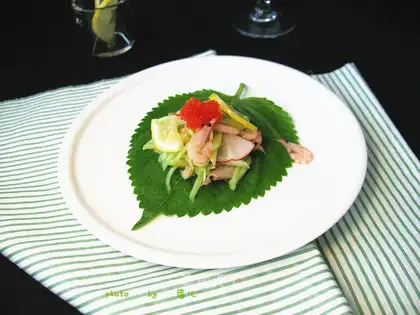
the introduction of a new diet - antarctic krill in the pure antarctic, which is the most “floating” marine life. actually, krill is not shrimp, it's a crustacean like shrimp, smaller than a normal shrimp head, it's crystallized, with black eyes and fibrous shrimp beards. it is small and cute, and a krill is about 1-2 cm long, but it is well known for its size. antarctic krill is the most commonly found protein-rich organism, the largest animal protein bank on earth, with an animal protein content of more than 50 per cent and a antarctic krill (0.5g) containing protein equivalent to 5g beef. the krill also contains seven human essential amino acids, which are grown in very cold living conditions and contain hypothermia, which also contributes to blood resin and arthritis. in addition to its high edible value, it can also be used as a quality raw material for extracting shrimp oil and processing feed. in addition, antarctic krill is rich in minerals, especially in trace elemental selenium, and has health effects on humans. in nutritional terms, antarctic krill can be seen as a highly nutritious food complementary to health. a few days ago, friends sent me some antarctic krill, which was thin, full of meat, picky, thin and beautiful. i just cooked with the least of the krill in order to highlight its own beauty, first making krill salad and fresh beauty。