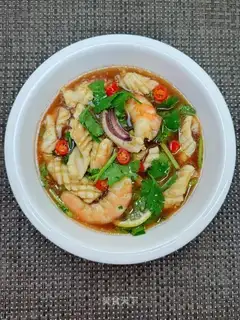
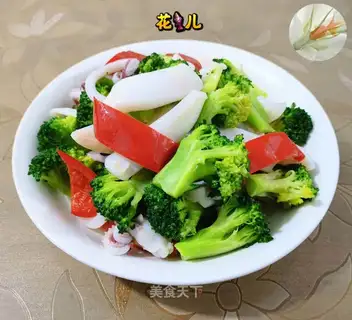
Squid, a versatile and widely consumed cephalopod, has been a dietary staple in coastal communities for centuries. From the Mediterranean calamari to Asian stir-fries, this marine delicacy not only delights the palate but also packs a impressive nutritional profile. As global interest in healthy and sustainable eating grows, squid has emerged as a standout ingredient, offering a unique blend of high-quality protein, essential micronutrients, and low-fat content. However, like all foods, squid must be consumed mindfully to maximize its benefits and avoid potential risks. This article explores the nutritional value of squid, its health benefits, and important precautions to consider when incorporating it into your diet.
I. Nutritional Profile of Squid: A Microcosm of Oceanic Goodness
Squid is a nutritional powerhouse, offering a dense concentration of macronutrients and micronutrients that support overall health. A 100-gram serving of cooked squid (without batter or frying) contains approximately:
- Protein: 15–16 grams, making it an excellent source of complete protein. Squid provides all nine essential amino acids, including leucine, isoleucine, and valine, which are crucial for muscle repair, immune function, and enzyme production. This makes it particularly valuable for athletes, individuals recovering from illness, and those following plant-based or low-meat diets seeking alternative protein sources.
- Low in Fat and Calories: Squid is remarkably lean, with only 1–2 grams of fat per 100 grams, most of which is heart-healthy unsaturated fat. It contains virtually no saturated fat, making it a guilt-free addition to weight management diets. Its low calorie count (around 100–120 calories per 100 grams) further solidifies its reputation as a light yet nutritious food.
- Vitamins and Minerals: Squid is rich in essential micronutrients, including:
- Vitamin B12: A single serving can provide over 90% of the daily recommended intake of vitamin B12, a nutrient vital for nerve function, red blood cell formation, and DNA synthesis. Deficiency in B12 can lead to anemia and neurological issues, making squid an important food for vegetarians and vegans who may lack this nutrient in plant-based diets.
- Selenium: A powerful antioxidant, selenium supports thyroid health, boosts immune function, and protects cells from oxidative damage. Squid is one of the best dietary sources of selenium, with 100 grams providing over 50% of the daily requirement.
- Copper and Zinc: These minerals play key roles in immune support, wound healing, and iron metabolism. Copper aids in the formation of red blood cells, while zinc is essential for immune cell development and protein synthesis.
- Iron: Squid contains heme iron, the form of iron most easily absorbed by the body, making it beneficial for preventing iron-deficiency anemia. A 100-gram serving provides about 15–20% of the daily iron requirement, particularly important for women and individuals with anemia.
- Omega-3 Fatty Acids: While not as high in omega-3s as fatty fish like salmon, squid still provides a modest amount of EPA and DHA, which support heart health, brain function, and reduce inflammation. These fatty acids are particularly important for cognitive development in children and may help reduce the risk of age-related cognitive decline.
II. Health Benefits of Squid: Beyond Basic Nutrition
The unique combination of nutrients in squid translates to a range of health benefits, from cardiovascular support to enhanced cognitive function.
1. Supports Heart Health
Squid’s low saturated fat content, coupled with its omega-3 fatty acids and selenium, makes it a heart-healthy choice. Omega-3s help lower triglycerides, reduce blood pressure, and decrease the risk of arrhythmias, while selenium protects the heart from oxidative stress. Additionally, squid’s high potassium content (around 300 mg per 100 grams) helps regulate blood pressure by balancing sodium levels in the body.
2. Promotes Muscle Growth and Repair
As a lean protein source, squid is ideal for muscle maintenance and growth. The amino acids in squid, particularly leucine, stimulate muscle protein synthesis (MPS), making it a valuable food for athletes, older adults (to combat sarcopenia), and anyone looking to build or preserve muscle mass. Its low fat content also ensures that the protein is delivered without excess calories, supporting lean body composition.
3. Enhances Brain and Nervous System Function
The high vitamin B12 and omega-3 content in squid is particularly beneficial for brain health. Vitamin B12 is essential for the production of myelin, a protective sheath around nerve fibers, and its deficiency has been linked to memory loss and cognitive decline. Omega-3 fatty acids, especially DHA, are critical for brain development and function, supporting memory, focus, and mood regulation. Regular consumption of squid may help reduce the risk of neurodegenerative diseases like Alzheimer’s.
4. Boosts Immune Function
Squid’s rich mineral profile—zinc, copper, and selenium—plays a key role in immune health. Zinc is necessary for the development and function of immune cells, while copper supports the production of white blood cells. Selenium, as an antioxidant, neutralizes free radicals that can damage immune cells, helping the body fight off infections and illnesses.
5. Supports Thyroid Health
Selenium is a critical component of the enzymes that regulate thyroid hormone production. The thyroid gland relies on selenium to convert thyroxine (T4) into the active form triiodothyronine (T3). Adequate selenium intake, as provided by squid, helps prevent thyroid disorders such as hypothyroidism and autoimmune thyroiditis.
6. Aids in Weight Management
Squid’s low calorie, high protein, and high fiber (when consumed with vegetables) content makes it an excellent food for weight management. Protein promotes satiety, reducing overall calorie intake by curbing hunger. Additionally, squid’s low glycemic index ensures that it does not cause rapid spikes in blood sugar, helping to stabilize energy levels and prevent overeating.
III. Precautions and Potential Risks: How to Enjoy Squid Safely
While squid offers numerous health benefits, there are important precautions to consider to avoid adverse effects.
1. Mercury and Heavy Metal Contamination
Like all seafood, squid can contain varying levels of mercury, a toxic heavy metal that accumulates in marine life. Larger, longer-lived squid species tend to have higher mercury levels, which can pose risks to neurological development, especially in pregnant women, nursing mothers, and young children. To minimize exposure:
- Choose smaller squid species (e.g., calamari squid) over larger ones.
- Opt for sustainably sourced squid from reputable suppliers to ensure lower contamination levels.
- Limit consumption to 2–3 servings per week, as recommended by health organizations like the FDA.
2. Allergic Reactions
Squid is a common allergen, particularly for individuals with shellfish allergies (e.g., shrimp, crab). Allergic reactions can range from mild (hives, itching) to severe (anaphylaxis, difficulty breathing). If you have a known shellfish allergy, avoid squid entirely. For those unsure of their sensitivity, a small test portion is advisable before regular consumption.
3. Cholesterol Content
Squid contains moderate levels of dietary cholesterol (about 200–300 mg per 100 grams), though research shows that dietary cholesterol has less impact on blood cholesterol levels than saturated and trans fats. For most people, moderate squid consumption is unlikely to raise blood cholesterol. However, individuals with hypercholesterolemia or heart disease should consult their doctor and limit intake to 1–2 servings per week.
4. Purine Content and Gout
Squid is high in purines, natural compounds that break down into uric acid. In excess, uric acid can crystallize in joints, causing gout—a painful form of arthritis. Individuals with gout or a history of uric acid kidney stones should avoid or strictly limit squid consumption. For others, moderate intake (1–2 servings per week) is generally safe.
5. Preparation Methods Matter
The health benefits of squid can be negated by unhealthy cooking methods. Fried calamari, for example, is high in calories, unhealthy fats, and sodium, which can increase the risk of heart disease and obesity. To maximize nutritional value:
- Grill, bake, or steam squid instead of frying.
- Use herbs and spices (e.g., garlic, lemon, paprika) for flavor instead of heavy sauces or excessive salt.
- Avoid processed squid products (e.g., dried squid with added preservatives or MSG).
6. Food Safety and Freshness
Squid is highly perishable and can spoil quickly if not handled properly. To avoid foodborne illness:
- Purchase fresh squid that smells mild and oceanic, not fishy or ammonia-like.
- Store squid in the refrigerator at 40°F (4°C) or below and consume within 1–2 days of purchase.
- Thaw frozen squid in the refrigerator (not at room temperature) to prevent bacterial growth.
IV. Culversatility and Sustainability: Making the Most of Squid
Beyond its nutritional and health benefits, squid is prized for its culinary versatility. Its mild, slightly sweet flavor and tender yet firm texture make it suitable for a wide range of dishes, from salads and pasta to stews and grilled skewers. In Mediterranean cuisine, calamari is lightly battered and fried as an appetizer, while in Asian countries like Japan and Korea, squid is used in sushi, sashimi, stir-fries, and grilled dishes.
Sustainability is another key consideration when choosing squid. Overfishing and destructive fishing practices can harm marine ecosystems, so it is important to select squid from sustainable sources. Look for certifications from organizations like the Marine Stewardship Council (MSC) or choose squid caught using methods like jigging or potting, which have minimal bycatch and environmental impact.
Conclusion
Squid is a nutritional powerhouse that offers a unique combination of high-quality protein, essential vitamins and minerals, and heart-healthy fats. Its benefits—from supporting muscle growth and brain function to boosting immune health—make it a valuable addition to a balanced diet. However, mindful consumption is key to avoiding potential risks such as mercury exposure, allergic reactions, and gout flare-ups. By choosing fresh, sustainably sourced squid and preparing it using healthy cooking methods, you can enjoy this versatile seafood while maximizing its health benefits. Whether grilled, baked, or stir-fried, squid is a delicious and nutritious choice that embodies the best of oceanic bounty.