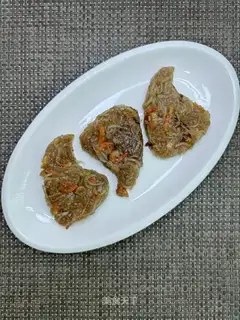
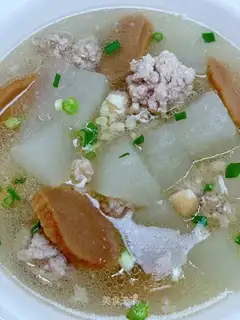
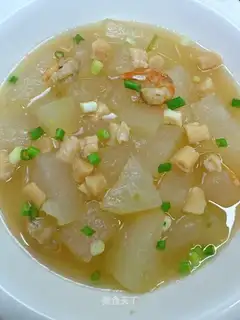
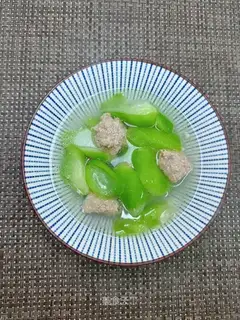
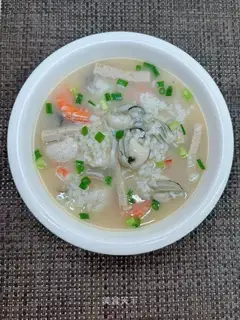
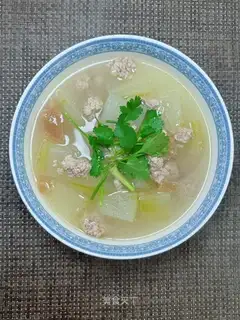
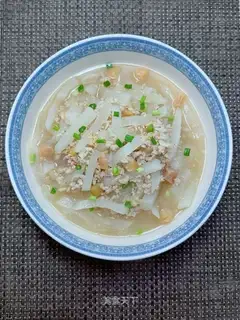
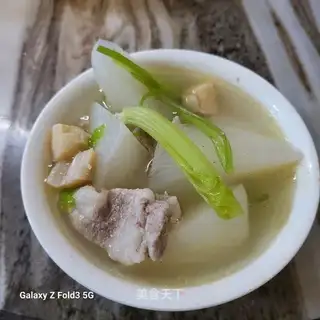
Dried scallops, known as conpoy in Cantonese or gan bei in Mandarin, are a prized ingredient in Asian cuisine and increasingly recognized globally for their rich flavor and impressive nutritional profile. For centuries, these sun-dried or air-dried adductor muscles of scallops have been valued not only for their umami-rich taste but also for their purported health benefits. As a staple in soups, stews, and stir-fries, dried scallops elevate dishes with their savory depth, but their true worth extends beyond the kitchen. This article explores the nutritional value of dried scallops, their evidence-based health benefits, and important considerations for safe consumption, ensuring enthusiasts can enjoy this delicacy mindfully.
I. Nutritional Value of Dried Scallops
Dried scallops are a nutritional powerhouse, concentrated through the drying process to deliver a potent blend of macronutrients, vitamins, and minerals. Unlike fresh scallops, which contain high water content, dried scallops offer a dense nutrient profile, making them a valuable addition to a balanced diet.
1. High-Quality Protein
Protein is essential for tissue repair, immune function, and muscle synthesis, and dried scallops are an excellent source. A 100-gram serving of dried scallops provides approximately 60 grams of protein, surpassing many other dried or preserved foods. This protein is complete, containing all nine essential amino acids (including leucine, isoleucine, and valine) that the body cannot produce independently. The high leucine content, in particular, supports muscle protein synthesis, making dried scallops a beneficial food for athletes, older adults, and those recovering from illness.
2. Abundant Minerals
Dried scallops are rich in minerals critical for bodily functions:
- Iron: They are one of the best plant-based (or rather, marine-based) sources of iron, with 100 grams providing up to 140% of the daily recommended intake. Iron is vital for oxygen transport in the blood and preventing anemia, especially in women and individuals with iron-deficient diets.
- Zinc: A 100-gram serving contains around 15–20 mg of zinc, nearly twice the daily requirement for adults. Zinc supports immune function, wound healing, and DNA synthesis.
- Magnesium and Phosphorus: These minerals are essential for bone health, nerve function, and energy production. Dried scallops provide approximately 150 mg of magnesium and 800 mg of phosphorus per 100 grams, contributing to strong bones and metabolic efficiency.
- Selenium: As a potent antioxidant, selenium plays a key role in reducing oxidative stress and supporting thyroid health. Dried scallops offer around 50–60 mcg of selenium per 100 grams, meeting or exceeding daily needs.
3. Vitamins and Bioactive Compounds
While dried scallops are not a primary source of vitamins, they contain notable amounts of:
- Vitamin B12: Crucial for nerve function and red blood cell formation, vitamin B12 is abundant in dried scallops, with 100 grams providing over 200% of the daily value. This makes them particularly valuable for vegetarians or vegans who may lack B12 from animal products.
- Vitamin B6: Supports metabolism and brain health, with dried scallops offering around 0.5 mg per 100 grams (25% of daily needs).
- Taurine: An amino acid abundant in scallops, taurine regulates blood pressure, supports cardiovascular health, and acts as an antioxidant.
4. Low Fat and Carbohydrates
Dried scallops are naturally low in fat (less than 2 grams per 100 grams) and carbohydrates (around 15 grams per 100 grams, primarily from glycogen), making them a suitable option for low-carb or high-protein diets. Their fat content is primarily heart-healthy unsaturated fats, including omega-3 fatty acids, which reduce inflammation and support brain health.
II. Health Benefits of Dried Scallops
The nutrient density of dried scallops translates to a range of health benefits, supported by both traditional medicine practices and modern scientific research.
1. Boosts Immune Function
The combination of zinc, selenium, and vitamin B12 in dried scallops makes them a potent immune booster. Zinc enhances the activity of T-cells and natural killer cells, which are critical for fighting infections, while selenium supports antioxidant enzymes that protect immune cells from oxidative damage. A 2018 study published in Nutrients highlighted that selenium deficiency impairs immune responses, underscoring the importance of foods like dried scallops in maintaining immune health.
2. Supports Muscle and Bone Health
With their high protein and mineral content, dried scallops are beneficial for muscle maintenance and bone density. The amino acids in protein, particularly leucine, stimulate muscle protein synthesis, making dried scallops an ideal food for older adults at risk of sarcopenia (age-related muscle loss). Additionally, calcium, phosphorus, and magnesium in dried scallops contribute to bone mineralization, reducing the risk of osteoporosis. A 2020 study in Journal of Bone and Mineral Research emphasized the role of magnesium in bone health, noting that even mild deficiency can increase fracture risk.
3. Enhances Energy and Metabolism
Dried scallops are rich in B vitamins, which act as coenzymes in energy metabolism. Vitamin B12, in particular, helps convert food into usable energy by supporting the production of red blood cells, which carry oxygen to tissues. This makes dried scallops a valuable food for individuals with fatigue or those with high energy demands, such as athletes or pregnant women.
4. Promotes Heart Health
The omega-3 fatty acids in dried scallops, particularly EPA and DHA, reduce inflammation, lower triglyceride levels, and improve blood vessel function. Potassium, present in moderate amounts (around 300 mg per 100 grams), helps regulate blood pressure by balancing sodium levels. A 2019 review in American Journal of Clinical Nutrition found that regular consumption of seafood, including scallops, is associated with a reduced risk of cardiovascular disease.
5. Supports Cognitive Function
Taurine and omega-3 fatty acids in dried scallops play a role in brain health. Taurine protects neurons from oxidative stress and improves synaptic function, while omega-3s are essential for maintaining brain structure and function. Research suggests that adequate taurine intake may reduce the risk of neurodegenerative diseases, such as Alzheimer’s. A 2021 study in Frontiers in Aging Neuroscience linked taurine to improved memory and cognitive performance in older adults.
III.食用禁忌 (Precautions and Contraindications)
While dried scallops offer numerous health benefits, they are not suitable for everyone. Certain populations should consume them with caution or avoid them altogether to prevent adverse effects.
1. High Purine Content and Gout Risk
Dried scallops are extremely high in purines, natural compounds that break down into uric acid in the body. Excessive uric acid can form crystals in joints, triggering gout—a painful form of arthritis. Individuals with gout, hyperuricemia (high uric acid levels), or a history of kidney stones should limit or avoid dried scallops. The Arthritis Foundation recommends limiting purine intake to less than 100–150 mg per day, while 100 grams of dried scallops contain over 500 mg of purines.
2. Sodium Sensitivity and Hypertension
During the drying process, scallops are often salted to preserve freshness, resulting in high sodium content. A 100-gram serving of dried scallops can contain 1,500–2,000 mg of sodium, exceeding the American Heart Association’s recommendation of less than 2,300 mg per day (and ideally 1,500 mg for those with hypertension). Individuals with high blood pressure, kidney disease, or heart conditions should opt for low-sodium varieties or consume dried scallops in moderation.
3. Allergic Reactions
Scallops are a common allergen, and dried scallops pose a similar risk for individuals with shellfish allergies. Allergic reactions can range from mild symptoms (hives, itching) to severe anaphylaxis, which is life-threatening. People with known shellfish allergies should strictly avoid dried scallops and read food labels carefully, as they may be hidden in sauces, soups, or processed foods.
4. Heavy Metal Contamination
As filter-feeding mollusks, scallops can accumulate heavy metals like mercury, cadmium, and lead from their environment. While fresh scallops generally have low levels, dried scallops may concentrate these toxins due to the reduction in water content. Pregnant women, young children, and individuals with compromised immune systems should choose high-quality, sustainably sourced dried scallops from reputable brands to minimize exposure.
5. Interaction with Medications
Dried scallops may interact with certain medications, particularly blood thinners (e.g., warfarin). Their high vitamin K content (around 10–15 mcg per 100 grams) can counteract the effects of warfarin, increasing the risk of blood clots. Individuals taking blood thinners should consult their healthcare provider before consuming dried scallops regularly.
IV. How to Incorporate Dried Scallops into a Healthy Diet
To maximize the benefits of dried scallops while minimizing risks, consider these tips:
- Soak Before Use: Rehydrate dried scallops in warm water for 20–30 minutes before cooking to reduce sodium content and improve texture. Reserve the soaking liquid (strained) for soups or sauces to retain umami flavor.
- Moderation is Key: Limit consumption to 10–20 grams per serving (2–3 pieces) to avoid excessive purines, sodium, or calories.
- Pair with Complementary Foods: Combine dried scallops with vegetables (e.g., broccoli, spinach) to enhance iron absorption and balance sodium intake.
- Choose Quality Products: Opt for unsalted or low-sodium dried scallops from trusted sources to ensure purity and minimize contaminants.
Conclusion
Dried scallops are a nutritional and culinary treasure, offering a unique combination of high-quality protein, essential minerals, and bioactive compounds that support immune function, muscle health, and overall well-being. However, their high purine, sodium, and potential allergen content require mindful consumption, particularly for individuals with gout, hypertension, or shellfish allergies. By understanding their nutritional value, health benefits, and precautions, food enthusiasts can enjoy dried scallops as a flavorful and nourishing addition to a balanced diet. Whether simmered in a hearty soup or stir-fried with vegetables, dried scallops continue to bridge the gap between tradition and modern nutrition, proving that even the smallest ingredients can have a profound impact on health.