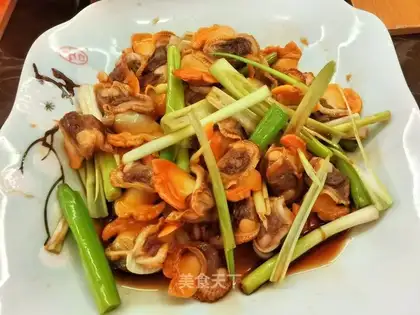
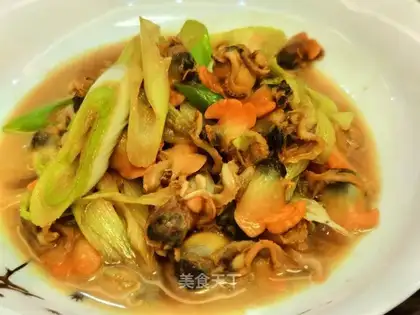
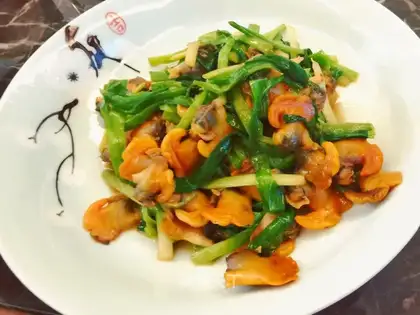
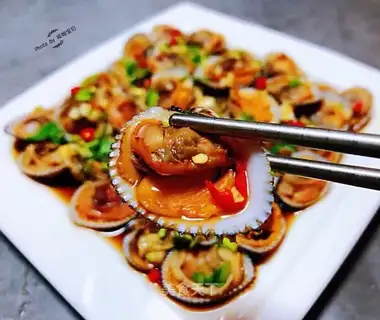
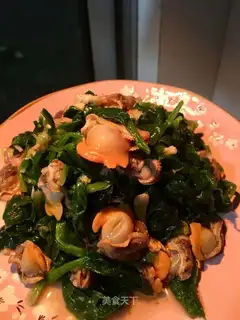
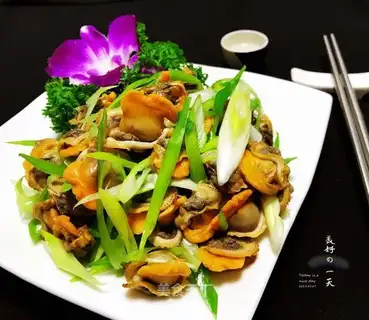
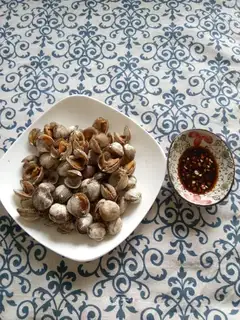
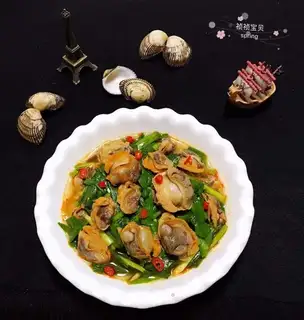
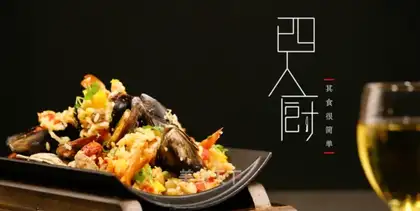
Scapharca subcrenata, commonly known as the Asian hard clam or “blood clam” due to its reddish hemolymph, is a bivalve mollusk widely consumed in East Asia, particularly in China, Japan, and Korea. Renowned for its distinctive briny flavor and tender yet slightly chewy texture, this ingredient is not only a culinary delicacy but also a nutritional powerhouse. However, its consumption is accompanied by important considerations regarding safety and dietary precautions. This article explores the nutritional profile of Scapharca subcrenata, its potential health benefits, and critical guidelines for safe consumption.
Nutritional Value of Scapharca subcrenata
Scapharca subcrenata is a nutrient-dense food, offering a rich array of macronutrients, vitamins, and minerals essential for human health. Its nutritional composition makes it a valuable addition to a balanced diet.
1. High-Quality Protein
Like other bivalves, Scapharca subcrenata is an excellent source of high-quality protein, containing all essential amino acids necessary for muscle synthesis, tissue repair, and immune function. A 100-gram serving of cooked clam provides approximately 15–18 grams of protein, rivaling that of lean meats or poultry. This protein is highly bioavailable, meaning the body can easily absorb and utilize it.
2. Essential Minerals
The clam is particularly rich in minerals that play vital roles in physiological processes:
- Iron: Scapharca subcrenata is one of the best dietary sources of heme iron, the type of iron found in animal products that is more easily absorbed by the body than non-heme iron from plants. A 100-gram serving can provide up to 20–25 mg of iron, meeting over 100% of the daily recommended intake for adults. Iron is crucial for oxygen transport, energy production, and preventing iron-deficiency anemia.
- Zinc: With 5–7 mg per 100 grams, the clam is an outstanding source of zinc, a mineral essential for immune function, wound healing, DNA synthesis, and maintaining healthy skin.
- Selenium: This trace mineral acts as a powerful antioxidant, protecting cells from oxidative damage. Scapharca subcrenata contains 20–30 micrograms of selenium per 100 grams, supporting thyroid function and reducing inflammation.
- Calcium and Phosphorus: These minerals are vital for bone health, and while the clam is not as rich in calcium as dairy products, it still contributes to daily intake, especially when combined with other calcium-rich foods.
3. Vitamins
The clam is a good source of several B vitamins and fat-soluble vitamins:
- Vitamin B12: Essential for nerve function and red blood cell formation, a 100-gram serving provides over 100% of the daily recommended intake of vitamin B12, making it particularly beneficial for vegetarians and vegans who may lack this nutrient from plant sources.
- Vitamin A: Derived from carotenoids like astaxanthin, vitamin A supports vision, immune health, and skin integrity.
- Vitamin E: An antioxidant that protects cell membranes from damage, vitamin E is present in moderate amounts in the clam.
4. Omega-3 Fatty Acids
Scapharca subcrenata contains omega-3 fatty acids, particularly eicosapentaenoic acid (EPA) and docosahexaenoic acid (DHA), which are known for their anti-inflammatory properties and benefits for heart and brain health. While the levels are lower than in fatty fish, the clam still contributes to omega-3 intake, especially when consumed regularly.
5. Bioactive Compounds
The clam is rich in bioactive peptides, taurine, and astaxanthin. Taurine, an amino acid, supports cardiovascular health, regulates blood pressure, and aids in bile acid conjugation. Astaxanthin, a carotenoid responsible for the clam’s reddish color, is a potent antioxidant that neutralizes free radicals and reduces oxidative stress.
Health Benefits of Scapharca subcrenata
The unique nutritional profile of Scapharca subcrenata translates into several health benefits, making it a valuable functional food.
1. Prevention and Treatment of Iron-Deficiency Anemia
The high heme iron content in Scapharca subcrenata makes it highly effective in preventing and treating iron-deficiency anemia, a condition characterized by fatigue, weakness, and impaired cognitive function. Heme iron is absorbed 2–3 times more efficiently than non-heme iron, making the clam an ideal food for individuals with increased iron needs, such as pregnant women, adolescents, and athletes.
2. Immune System Support
The combination of zinc, selenium, vitamin B12, and protein in Scapharca subcrenata strengthens the immune system. Zinc is critical for the development and function of immune cells, while selenium enhances the activity of antioxidants that protect immune cells from damage. Regular consumption may help reduce the risk of infections and improve overall immune response.
3. Cardiovascular Health
The omega-3 fatty acids, taurine, and low saturated fat content in Scapharca subcrenata contribute to heart health. Omega-3s reduce triglycerides, lower blood pressure, and decrease the risk of arrhythmias. Taurine helps regulate cholesterol levels and prevents the buildup of plaque in arteries, reducing the risk of atherosclerosis and heart disease.
4. Antioxidant and Anti-Inflammatory Effects
Astaxanthin and other antioxidants in the clam neutralize free radicals, which are unstable molecules that cause oxidative stress and chronic inflammation. Chronic inflammation is linked to various diseases, including cancer, diabetes, and neurodegenerative disorders. By reducing oxidative stress, Scapharca subcrenata may help lower the risk of these conditions.
5. Cognitive and Brain Health
The omega-3 fatty acids (DHA) and vitamin B12 in Scapharca subcrenata are essential for brain function. DHA is a major component of brain tissue and supports cognitive function, memory, and mood regulation. Vitamin B12 deficiency, on the other hand, is associated with cognitive decline and dementia. Regular consumption of the clam may help maintain brain health and reduce the risk of age-related cognitive impairment.
6. Muscle Recovery and Growth
The high-quality protein in Scapharca subcrenata provides the necessary amino acids for muscle repair and growth. This makes it an excellent food for athletes, individuals recovering from injuries, or older adults looking to prevent age-related muscle loss (sarcopenia).
Precautions and Potential Risks of Consuming Scapharca subcrenata
While Scapharca subcrenata offers numerous health benefits, its consumption is not without risks. Several precautions must be taken to ensure safety.
1. Risk of Foodborne Illness
Scapharca subcrenata is a filter-feeding bivalve, meaning it filters water through its gills to obtain nutrients. During this process, it can accumulate harmful bacteria, viruses, and toxins from polluted water. Common pathogens include Vibrio parahaemolyticus, Vibrio vulnificus, and hepatitis A virus, which can cause severe gastrointestinal illness, fever, or even septicemia in vulnerable individuals.
Precaution: The clam must be thoroughly cooked before consumption. Cooking at high temperatures (above 85°C for at least 5 minutes) kills most pathogens. Raw or undercooked consumption (e.g., in sushi or marinated dishes) should be avoided, especially by pregnant women, children, the elderly, and individuals with weakened immune systems.
2. Heavy Metal Contamination
As filter feeders, Scapharca subcrenata can accumulate heavy metals such as mercury, cadmium, and lead from contaminated water sources. Prolonged consumption of contaminated clams may lead to heavy metal toxicity, causing damage to the kidneys, nervous system, and other organs.
Precaution: Purchase clams from reputable suppliers who follow strict quality control measures and test for heavy metal contamination. Avoid consuming clams from polluted waters or areas with known environmental contamination.
3. Purine Content and Gout
Scapharca subcrenata is high in purines, natural compounds that break down into uric acid in the body. High uric acid levels can lead to gout, a painful form of arthritis characterized by joint inflammation. Individuals with gout or a history of uric acid kidney stones should limit their intake of purine-rich foods, including Scapharca subcrenata.
Precaution: People with gout should consume the clam in moderation (no more than 1–2 servings per week) and avoid pairing it with other high-purine foods such as organ meats, anchovies, and beer.
4. Allergic Reactions
While rare, some individuals may be allergic to shellfish, including Scapharca subcrenata. Allergic reactions can range from mild symptoms (hives, itching) to severe anaphylaxis, which is life-threatening.
Precaution: Individuals with a known shellfish allergy should avoid consuming Scapharca subcrenata entirely. Those trying it for the first time should start with a small portion and monitor for allergic reactions.
5. Interaction with Medications
Scapharca subcrenata may interact with certain medications, particularly blood thinners (e.g., warfarin). The high vitamin K content in the clam can interfere with the anticoagulant effects of warfarin, increasing the risk of blood clots.
Precaution: Individuals taking blood thinners should consult their healthcare provider before consuming Scapharca subcrenata to ensure safe consumption.
Conclusion
Scapharca subcrenata is a nutrient-dense ingredient that offers a wide range of health benefits, from preventing anemia and supporting immune function to promoting heart and brain health. Its high protein, iron, zinc, and omega-3 content make it a valuable addition to a healthy diet. However, its consumption must be approached with caution due to risks of foodborne illness, heavy metal contamination, purine-related issues, and allergic reactions.
To enjoy Scapharca subcrenata safely, it is essential to purchase from reputable sources, cook it thoroughly, and consume it in moderation, especially by vulnerable populations. When prepared and consumed responsibly, this humble bivalve can be a delicious and nutritious part of a balanced diet, offering both culinary pleasure and significant health advantages.