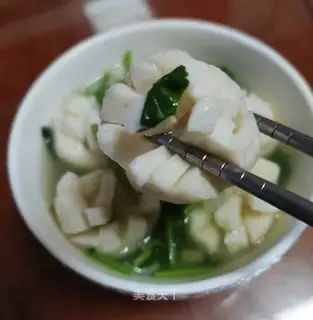
Squid balls, a staple in Asian cuisine and increasingly popular worldwide, are more than just a tasty snack or soup ingredient. These chewy, flavorful orbs made from processed squid meat offer a unique combination of nutritional benefits, health-promoting properties, and culinary versatility. However, like many processed foods, they come with considerations for safe consumption. This article explores the nutritional profile of squid balls, their key health benefits, and important dietary precautions to help consumers enjoy them mindfully.
Nutritional Profile of Squid Balls
Squid balls are primarily composed of squid meat, mixed with binding agents (such as starch or egg white), seasonings (salt, sugar, spices), and sometimes additives for texture and preservation. Their nutritional value varies slightly by brand and preparation method, but a typical 100-gram serving of plain, uncooked squid balls contains approximately:
- Protein: 15–18 grams
Squid is a rich source of high-quality protein, containing all nine essential amino acids necessary for muscle repair, immune function, and overall growth. Protein constitutes the bulk of squid balls, making them a valuable option for individuals seeking to increase their protein intake, such as athletes or those recovering from illness.
- Low Fat: 1–3 grams
Unlike fatty meat products, squid balls are naturally low in fat, with most of the fat being unsaturated (e.g., omega-3 fatty acids). This makes them a lighter alternative to processed meats like sausages or meatballs, which often contain higher levels of saturated fat.
- Carbohydrates: 10–15 grams
Carbohydrates in squid balls primarily come from starches (e.g., tapioca or cornstarch) used as binders. These provide energy but contribute to the calorie count, so portion control is key for those monitoring carbohydrate intake.
- Micronutrients:
Squid is a notable source of vitamin B12, essential for nerve function and red blood cell production, and selenium, a powerful antioxidant that supports thyroid health and immune defense. It also provides smaller amounts of iron (for oxygen transport) and zinc (for immune and metabolic health).
- Calories: 120–150 calories per 100 grams
While relatively low in calories compared to fried snacks, squid balls can become calorie-dense if fried or served with high-sodium sauces (e.g., sweet chili or soy-based dips).
- Sodium: 300–600 milligrams per 100 grams
This is a critical consideration: many commercially produced squid balls contain added salt for flavor and preservation, contributing to high sodium levels. Excessive sodium intake is linked to hypertension and cardiovascular issues, making it important to choose low-sodium varieties or consume them in moderation.
Health Benefits of Squid Balls
When consumed as part of a balanced diet, squid balls can offer several health advantages, thanks to their nutrient-rich composition.
1. Supports Muscle Growth and Repair
The high protein content in squid balls makes them an excellent post-workout snack. Protein provides the amino acids needed to repair muscle tissue damaged during exercise and supports muscle synthesis, aiding in recovery and strength building. For vegetarians or those looking to diversify protein sources, squid balls offer a seafood-based alternative to meat or legumes.
2. Boosts Heart Health
Squid is a natural source of omega-3 fatty acids (e.g., EPA and DHA), which are known to reduce inflammation, lower triglyceride levels, and decrease the risk of cardiovascular disease. While the omega-3 content in squid balls is lower than in fresh squid due to processing, it still contributes to a heart-healthy diet when paired with other omega-3-rich foods (e.g., salmon or flaxseeds). Additionally, their low saturated fat content supports healthy cholesterol levels.
3. Enhances Immune Function
Squid balls contain zinc and selenium, minerals that play vital roles in immune health. Zinc helps produce and activate immune cells, while selenium acts as an antioxidant, protecting cells from oxidative stress caused by free radicals. Regular consumption of nutrient-dense foods like squid balls may help strengthen the body’s defenses against infections.
4. Provides Essential Vitamins for Nervous System Health
Vitamin B12, abundant in squid, is crucial for maintaining the myelin sheath that covers nerve fibers and supports efficient signal transmission between nerves. A deficiency in B12 can lead to fatigue, numbness, and cognitive decline. Squid balls can be a convenient way to boost B12 intake, particularly for individuals with limited access to fresh seafood (e.g., those in landlocked regions).
5. Aids in Weight Management
Due to their high protein and low fat content, squid balls promote satiety, helping to curb hunger and reduce overall calorie intake. Protein takes longer to digest than carbohydrates, keeping you full for longer and potentially preventing overeating. When baked, steamed, or added to broth-based soups (rather than fried), squid balls can be a guilt-free addition to a weight loss diet.
Potential Side Effects and Precautions
While squid balls offer numerous benefits, certain factors must be considered to avoid adverse health effects.
1. High Sodium Content
As mentioned earlier, processed squid balls often contain significant amounts of sodium. The American Heart Association recommends limiting sodium intake to less than 2,300 milligrams per day (ideally 1,500 milligrams for individuals with hypertension). A single serving of squid balls can contribute 10–25% of this daily limit. Excessive sodium consumption can lead to water retention, high blood pressure, and an increased risk of stroke. To mitigate this:
- Choose low-sodium or homemade versions.
- Rinse pre-cooked squid balls under water to reduce sodium.
- Avoid pairing them with salty sauces (e.g., soy sauce or fish sauce).
2. Additives and Preservatives
Commercially produced squid balls may contain additives such as monosodium glutamate (MSG), artificial flavorings, or preservatives (e.g., sodium benzoate) to enhance taste and extend shelf life. While these additives are generally recognized as safe by regulatory bodies, some individuals may experience adverse reactions, such as headaches or allergic responses. Opt for brands that label “no MSG” or “all-natural ingredients” if you are sensitive to additives.
3. Purine Content and Gout Risk
Squid is high in purines, natural compounds that break down into uric acid in the body. Excess uric acid can crystallize in joints, causing gout—a painful form of arthritis. Individuals with a history of gout or kidney problems should limit their intake of purine-rich foods, including squid balls. If consumed, it is advisable to keep portions small (e.g., 2–3 balls per serving) and avoid frequent consumption.
4. Mercury and Contaminants
Squid, like many seafood, may contain trace amounts of mercury, a heavy metal that accumulates in the food chain. While squid is generally lower in mercury than large predatory fish (e.g., shark or swordfish), pregnant women, nursing mothers, and young children should consume it in moderation. Choose squid balls made from sustainably sourced squid to reduce exposure to environmental contaminants.
5. Calorie Density in Preparations
Plain squid balls are relatively low in calories, but their nutritional value can change dramatically depending on how they are cooked. Fried squid balls, for example, absorb oil during frying, increasing their calorie and fat content by 30–50%. To maximize health benefits, opt for steaming, boiling, or baking instead of frying. When using them in soups, choose clear broths over creamy or coconut-based options to avoid excess saturated fat.
6. Allergies and Sensitivities
Squid is a shellfish, and individuals with shellfish allergies may react to squid balls, even if they contain small amounts of squid. Symptoms can range from mild (hives, itching) to severe (anaphylaxis). Those with known shellfish allergies should avoid squid balls entirely or consult a healthcare provider before consumption.
How to Incorporate Squid Balls into a Healthy Diet
To enjoy squid balls safely and nutritiously, follow these tips:
- Choose Wisely: Look for brands with minimal ingredients, no added MSG, and low sodium. Frozen or homemade squid balls are often healthier than pre-packaged, shelf-stable varieties.
- Control Portions: Limit intake to 3–5 balls per serving (about 50–80 grams) to avoid excessive sodium, purines, or calories.
- Cook Healthily: Steam, boil, or bake squid balls instead of frying. Add them to vegetable-based soups or stir-fries to increase fiber and nutrient intake.
- Balance Your Plate: Pair squid balls with steamed vegetables, whole grains (e.g., brown rice or quinoa), and lean protein to create a balanced meal.
- Hydrate: Drink plenty of water when consuming high-sodium foods like squid balls to help flush excess sodium from the body.
Conclusion
Squid balls are a nutritious and versatile food that can be part of a healthy diet when consumed mindfully. Their high protein, omega-3, and micronutrient content offers benefits for muscle growth, heart health, and immune function. However, their high sodium, purine, and potential additive content require caution, particularly for individuals with hypertension, gout, or shellfish allergies. By choosing quality products, controlling portions, and preparing them healthily, you can enjoy the unique flavor and nutritional advantages of squid balls without compromising your health. Whether in a steaming bowl of noodle soup or as a light snack, squid balls prove that processed foods can be both delicious and beneficial when approached with knowledge and balance.