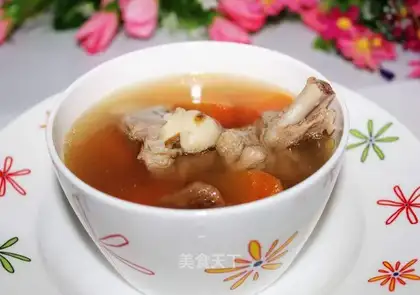
Pork, one of the most widely consumed meats globally, comes in various cuts, each with unique culinary and nutritional profiles. Among them, pork shank (also known as pork leg or pork hock) stands out as a flavorful, versatile, and nutrient-rich ingredient. Often used in slow-cooked dishes like stews, broths, and braised recipes, pork shank is not only prized for its tender texture after prolonged cooking but also for its impressive array of vitamins, minerals, and other bioactive compounds. This article explores the nutritional value of pork shank, its health benefits, and important considerations for consumption to help individuals incorporate it into a balanced diet.
Nutritional Value of Pork Shank
Pork shank is a nutrient-dense cut, offering a balanced combination of macronutrients and essential micronutrients. A 100-gram serving of cooked pork shank (without skin) provides approximately:
- Protein: ~25-30 grams, high-quality protein containing all nine essential amino acids necessary for muscle maintenance, tissue repair, and enzyme production. This makes it an excellent choice for athletes, growing children, and older adults.
- Fat: 10-15 grams, with a mix of saturated, monounsaturated, and polyunsaturated fats. While it contains some saturated fat (around 4-5 grams), it also has oleic acid (a heart-healthy monounsaturated fat) and small amounts of omega-3 fatty acids, which support brain health and reduce inflammation.
- Vitamins:
- B Vitamins: Pork shank is rich in B vitamins, particularly vitamin B1 (thiamine), crucial for energy metabolism and nerve function; vitamin B6 (pyridoxine), which aids in protein synthesis and red blood cell production; and vitamin B12 (cobalamin), essential for nerve health and DNA synthesis. A 100-gram serving can provide 30-50% of the daily recommended intake for these vitamins.
- Vitamin D: Depending on the pig’s diet and sun exposure, pork shank may contain small amounts of vitamin D, which supports bone health and immune function.
- Minerals:
- Iron: ~2-3 milligrams per serving, primarily in the heme form, which is highly bioavailable and more easily absorbed than non-heme iron from plant sources. Iron is vital for oxygen transport and preventing anemia.
- Zinc: ~4-5 milligrams, contributing to immune function, wound healing, and DNA synthesis.
- Selenium: ~20-30 micrograms, a powerful antioxidant that protects cells from damage and supports thyroid health.
- Phosphorus and Magnesium: Essential for bone health, energy production, and muscle function.
- Collagen and Gelatin: When cooked slowly (e.g., in soups or stews), pork shank releases collagen, which breaks down into gelatin. This compound supports joint health, gut integrity, and skin elasticity, making it beneficial for digestion and anti-aging.
Health Benefits of Pork Shank
The nutrient profile of pork shank translates to several health benefits when consumed as part of a balanced diet.
1. Supports Muscle Maintenance and Growth
With its high protein content and complete amino acid profile, pork shank is an ideal food for muscle repair and growth. This is particularly beneficial for individuals recovering from injuries, athletes undergoing intense training, and older adults at risk of sarcopenia (age-related muscle loss).
2. Enhances Energy Metabolism
The B vitamins in pork shank play a key role in converting food into energy. Vitamin B1 helps metabolize carbohydrates, while B12 and B6 support the production of red blood cells, which carry oxygen to muscles and organs. Adequate B vitamin intake can prevent fatigue and improve overall vitality.
3. Boosts Immune Function
Zinc and selenium in pork shank are critical for a healthy immune system. Zinc deficiency is linked to impaired immune responses, while selenium’s antioxidant properties reduce oxidative stress, which can weaken immunity. Regular consumption of pork shank may help the body fight infections and recover from illnesses.
4. Promotes Bone Health
Pork shank provides phosphorus and magnesium, minerals that work alongside calcium to maintain bone density. Additionally, the collagen and gelatin from slow-cooked pork shank support joint cartilage, reducing the risk of osteoarthritis and improving mobility, especially in older adults.
5. Improves Digestive Health
Gelatin, derived from collagen during slow cooking, has been shown to support gut lining integrity by reducing inflammation and promoting the growth of beneficial gut bacteria. This makes slow-cooked pork shank soup a popular remedy for digestive issues like leaky gut or bloating.
6. Supports Brain Health
Vitamin B12 is essential for maintaining the myelin sheath that protects nerve fibers, and its deficiency can lead to cognitive decline. The omega-3 fatty acids (albeit in small amounts) in pork shank also contribute to brain health by reducing neuroinflammation and supporting neurotransmitter function.
Culinary Uses and Preparation Tips
Beyond its nutritional benefits, pork shank is a favorite in cuisines worldwide due to its rich flavor and versatility. Common cooking methods include:
- Braising: Simmering in liquid (e.g., broth, wine, or sauce) for several hours until tender, as in German Eisbein or Chinese hong shao pork shank.
- Stewing: Adding to hearty stews like posole (Mexican) or pepper pot (Caribbean) for depth of flavor.
- Soup Making: Boiling with bones and vegetables to create nutrient-dense broths, such as Vietnamese phở or Jewish chicken soup (with pork shank variation).
- Smoking/Curing: Used to make products like smoked ham or pickled pork hocks, which are shelf-stable and flavorful.
To maximize nutritional benefits, opt for slow cooking methods that preserve collagen and gelatin, and limit added sodium and unhealthy fats. Pair pork shank with fiber-rich vegetables (e.g., carrots, celery, and leafy greens) and whole grains to create a balanced meal.
食用禁忌 (Dietary Restrictions and Precautions)
While pork shank offers numerous health benefits, certain groups should consume it in moderation or avoid it altogether:
1. High Saturated Fat Content
Pork shank contains more saturated fat than lean cuts like pork loin. Excessive saturated fat intake is linked to elevated LDL (“bad”) cholesterol and an increased risk of heart disease. Individuals with high cholesterol, cardiovascular issues, or a family history of heart disease should limit consumption to 1-2 times per week and trim visible fat before cooking.
2. Sodium in Processed Varieties
Cured or smoked pork shank products (e.g., ham, pickled hocks) are often high in sodium to preserve flavor and extend shelf life. High sodium intake can contribute to hypertension and water retention. Those with high blood pressure or kidney disease should choose fresh pork shank and avoid processed versions, or opt for low-sodium alternatives.
3. Purine Content
Pork shank is moderately high in purines, natural compounds that break down into uric acid. Individuals with gout or a history of kidney stones should limit intake, as high uric acid levels can trigger painful gout attacks or exacerbate kidney problems.
4. Religious and Cultural Restrictions
For religious reasons, pork is prohibited in Islam, Judaism, and some Christian denominations. Additionally, certain cultural groups may avoid pork due to traditional beliefs, so respecting dietary preferences is essential in diverse communities.
5. Allergies and Sensitivities
While rare, some individuals may be allergic to pork proteins. Symptoms can range from mild (hives, digestive discomfort) to severe (anaphylaxis). Those with known pork allergies should avoid pork shank entirely.
6. Safe Handling and Cooking
Pork shank, like all raw meats, carries a risk of bacterial contamination (e.g., Salmonella, E. coli, or Trichinella). To ensure safety:
- Always cook pork shank to an internal temperature of 145°F (63°C) with a 3-minute rest time.
- Avoid cross-contamination by using separate cutting boards and utensils for raw pork.
- Store raw pork in the refrigerator at 40°F (4°C) or below and consume within 2-3 days, or freeze for longer storage.
Conclusion
Pork shank is a nutrient-rich ingredient that offers a unique combination of protein, vitamins, minerals, and collagen, making it a valuable addition to a balanced diet. Its health benefits—from muscle support to immune function—make it a versatile choice for various culinary preparations. However, due to its saturated fat and sodium content (especially in processed forms), moderation is key, particularly for individuals with heart disease, hypertension, or gout. By choosing fresh cuts, cooking methods that preserve nutrients, and pairing it with healthy sides, pork shank can be both a delicious and nutritious component of a healthy lifestyle. As with any food, understanding its nutritional profile and dietary considerations allows individuals to enjoy it safely and reap its full benefits.