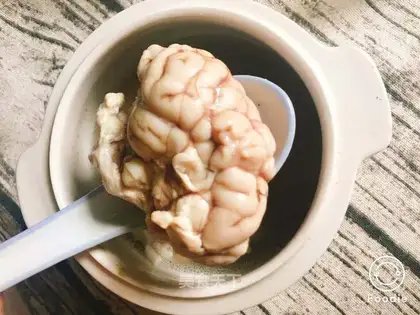
Pork brain, a delicacy in many culinary traditions, has long been regarded as both a gourmet ingredient and a subject of nutritional debate. Revered in Chinese cuisine for its creamy texture and supposed "nourishing" properties, it is also met with caution due to its cholesterol content and potential health risks. This article provides a detailed exploration of pork brain’s nutritional profile, its purported health benefits, and critical precautions to consider before consumption. By examining scientific evidence and cultural practices, we aim to offer a balanced perspective on this unique ingredient.
Nutritional Value of Pork Brain
Pork brain is a nutrient-dense organ meat, rich in proteins, fats, vitamins, and minerals, though its composition is distinct from muscle meats like pork loin or chicken breast. A 100-gram serving of cooked pork brain contains approximately:
Macronutrients
- Protein: Around 11 grams, providing essential amino acids such as lysine, methionine, and tryptophan. These amino acids are vital for tissue repair, enzyme production, and neurotransmitter synthesis.
- Fats: Constituting roughly 10 grams per 100 grams, pork brain is high in monounsaturated and polyunsaturated fats, including omega-3 and omega-6 fatty acids. Notably, it contains arachidonic acid (an omega-6 fatty acid) and docosahexaenoic acid (DHA, an omega-3), which are critical for brain health.
- Cholesterol: With about 2,000–3,000 milligrams per 100 grams, pork brain is one of the dietary sources highest in cholesterol—far exceeding the American Heart Association’s recommended daily limit of 300 milligrams. This has historically fueled concerns about its impact on cardiovascular health.
Micronutrients
- Vitamins: Pork brain is an excellent source of B vitamins, including vitamin B12 (cobalamin), which is essential for nerve function and red blood cell formation. A 100-gram serving provides over 100% of the daily recommended intake (DRI) for B12. It also contains significant amounts of riboflavin (B2), niacin (B3), and folate (B9), which support energy metabolism and cognitive health.
- Minerals: It is rich in phosphorus (important for bone health and cell signaling), selenium (an antioxidant that protects cells from damage), and copper (aiding in iron absorption and neurotransmitter production). Additionally, it contains trace amounts of iron, zinc, and magnesium.
Bioactive Compounds
Pork brain contains phospholipids, such as phosphatidylcholine and phosphatidylserine, which are key components of cell membranes, particularly in the brain. These compounds have been studied for their potential to support cognitive function and memory.
Health Benefits of Pork Brain
While its cholesterol content has raised alarms, traditional medicine and modern research suggest several potential health benefits associated with moderate consumption of pork brain.
1. Supports Cognitive Function and Brain Health
The brain is composed of nearly 60% fat, and phospholipids in pork brain—especially phosphatidylserine—play a crucial role in maintaining neuronal membrane integrity and facilitating communication between brain cells. Studies indicate that phosphatidylserine supplementation may improve memory, attention, and mood in older adults and individuals with age-related cognitive decline.
Pork brain’s high DHA content further enhances its neuroprotective effects. DHA is a primary structural component of the cerebral cortex and retina, and adequate intake is linked to a reduced risk of neurodegenerative diseases such as Alzheimer’s.
2. Provides Essential Nutrients for Nerve Health
Vitamin B12, abundant in pork brain, is indispensable for the maintenance of myelin sheaths—the protective coverings around nerve fibers. A deficiency in B12 can lead to neurological symptoms such as numbness, tingling, and cognitive impairment. For individuals following plant-based diets, which are often low in B12, occasional consumption of pork brain may help prevent deficiency.
3. Supports Growth and Development
Pork brain’s amino acid profile makes it a valuable food for growth and development, particularly in children and adolescents. The high-quality protein and phospholipids aid in the formation of new tissues, including brain cells, while vitamins like B12 and folate are critical for DNA synthesis and cell division.
4. Boosts Energy Metabolism
B vitamins in pork brain act as coenzymes in metabolic reactions that convert food into energy. For example, niacin (B3) helps convert carbohydrates into glucose, the body’s primary energy source, while riboflavin (B2) supports the breakdown of fats and proteins. Individuals with high energy demands, such as athletes or those recovering from illness, may benefit from these nutrients.
Precautions and Potential Risks
Despite its nutritional benefits, pork brain is not suitable for everyone, and excessive consumption can pose significant health risks.
1. High Cholesterol and Cardiovascular Health
The most well-known concern about pork brain is its extremely high cholesterol content. For decades, dietary cholesterol was believed to directly raise blood cholesterol levels and increase the risk of heart disease. However, more recent research suggests that for most people, dietary cholesterol has a modest impact on blood cholesterol compared to saturated and trans fats.
That said, individuals with existing hypercholesterolemia, cardiovascular disease, or diabetes should limit or avoid pork brain. The American Heart Association recommends that such individuals consume no more than 200 milligrams of cholesterol per day, meaning a single 100-gram serving of pork brain could exceed this limit.
2. Purine Content and Gout Risk
Pork brain is high in purines, natural compounds that break down into uric acid in the body. High uric acid levels can lead to gout, a painful form of arthritis characterized by joint inflammation. Individuals with a history of gout or hyperuricemia should avoid pork brain to prevent flare-ups.
3. Food Safety and Preparation
As an organ meat, pork brain is more susceptible to bacterial contamination than muscle meats. To minimize the risk of foodborne illness, it is crucial to:
- Source pork brain from reputable suppliers and ensure it is fresh.
- Cook it thoroughly to kill harmful bacteria such as Salmonella and E. coli. However, overcooking can destroy heat-sensitive nutrients like phospholipids and B vitamins, so gentle methods such as steaming or stir-frying are recommended.
4. Moderation is Key
Even for healthy individuals, moderation is essential. Nutrition experts suggest limiting pork brain consumption to 1–2 times per month, with a serving size of no more than 50–100 grams per serving. This allows individuals to reap its nutritional benefits while minimizing risks.
5. Ethical and Cultural Considerations
In some cultures, consuming animal brains is taboo due to beliefs about "transmitting diseases" or ethical concerns about animal welfare. Additionally, the risk of prion diseases—such as bovine spongiform encephalopathy (BSE, or "mad cow disease")—has raised concerns about consuming brains from certain animals. While no cases of prion disease have been linked to pork consumption, these factors may influence dietary choices for some individuals.
Culinary Uses and Preparation Tips
Pork brain is a versatile ingredient used in various cuisines worldwide. In Chinese cuisine, it is often stir-fried with garlic and ginger, braised in soy sauce, or added to hot pots. In French cuisine, "cervelle de veau" (calf’s brain) is a classic dish, often prepared by poaching and serving with capers or brown butter. To prepare pork brain safely and deliciously:
1. Clean and Soak: Soak the brain in cold water with a splash of vinegar for 30 minutes to remove excess blood and improve texture.
2. Remove Membranes: Carefully peel off the thin outer membranes to ensure a smooth texture.
3. Cook Gently: Avoid high-heat methods like grilling, which can make the brain tough. Steaming, poaching, or light stir-frying are ideal.
4. Pair with Aromatics: Garlic, ginger, onions, and herbs like thyme complement the brain’s mild flavor. Acidic ingredients such as lemon juice or vinegar can balance its richness.
Conclusion
Pork brain is a nutrient-rich ingredient that offers unique health benefits, particularly for cognitive function and nerve health. Its high content of phospholipids, B vitamins, and omega-3 fatty acids makes it a valuable addition to a balanced diet when consumed in moderation. However, its high cholesterol, purine, and calorie levels necessitate caution, especially for individuals with cardiovascular issues, gout, or diabetes.
By understanding its nutritional profile, benefits, and risks, consumers can make informed choices about whether and how to incorporate pork brain into their diets. For most healthy adults, occasional consumption as part of a varied diet can be both a culinary delight and a nutritional boon. As with any food, the key lies in balance—enjoying pork mindfully to savor its flavors and benefits while prioritizing overall health and well-being.