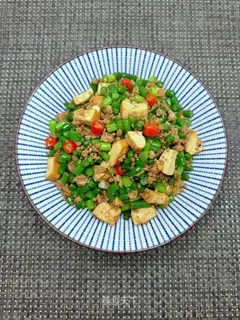
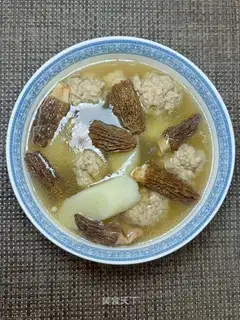
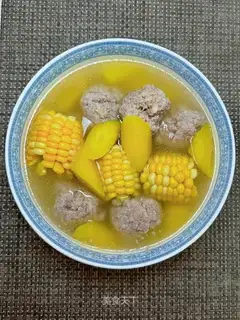
Pork, one of the most widely consumed meats globally, comes in various cuts, each with unique characteristics. Among them, pork shoulder—often referred to as pork butt or Boston butt in some regions—stands out for its rich flavor, tender texture when cooked properly, and impressive nutritional profile. This cut, taken from the upper front leg of the pig, is a staple in cuisines worldwide, from slow-cooked stews in the American South to pulled pork sandwiches in the Caribbean and braised dishes in East Asia. Beyond its culinary appeal, pork shoulder offers a range of health benefits, but it also requires mindful consumption to maximize its advantages while minimizing potential risks. This article explores the nutritional value of pork shoulder, its health benefits, and important dietary considerations to help individuals make informed choices.
Nutritional Value of Pork Shoulder
Pork shoulder is a nutrient-dense meat, providing a balanced mix of macronutrients, vitamins, and minerals essential for overall health. A 100-gram serving of cooked pork shoulder (trimmed of visible fat) contains approximately:
- Protein: 22–25 grams, including all essential amino acids such as leucine, isoleucine, and valine, which are critical for muscle repair, immune function, and enzyme production. Protein in pork shoulder is highly bioavailable, meaning the body absorbs and utilizes it efficiently.
- Fats: 14–18 grams, with a mix of saturated, monounsaturated, and polyunsaturated fats. While it contains more fat than leaner cuts like loin, the fat in pork shoulder includes oleic acid (a heart-healthy monounsaturated fat also found in olive oil) and small amounts of omega-3 fatty acids, particularly when sourced from pasture-raised pigs.
- Vitamins:
- Vitamin B1 (Thiamine): Essential for energy metabolism and nerve function; pork shoulder is one of the best dietary sources, providing over 50% of the daily recommended value per serving.
- Vitamin B6: Crucial for brain health, red blood cell formation, and immune support.
- Niacin (Vitamin B3): Supports digestion, skin health, and converting food into energy.
- Vitamin B12: Vital for nerve function and DNA synthesis, particularly important for vegetarians and vegans who may lack this nutrient from plant sources.
- Minerals:
- Selenium: A powerful antioxidant that protects cells from damage and supports thyroid function. Pork shoulder is rich in selenium, with a single serving providing over 30% of the daily requirement.
- Zinc: Critical for immune health, wound healing, and cell growth.
- Phosphorus: Works with calcium to build strong bones and teeth.
- Iron: Heme iron (found in animal products) is more easily absorbed than non-heme iron from plants, making pork shoulder a valuable source for preventing iron deficiency anemia.
The fat content in pork shoulder, while higher than leaner cuts, contributes to its juicy texture and enhances the absorption of fat-soluble vitamins (A, D, E, and K). Additionally, the fat helps slow digestion, promoting satiety and reducing overall calorie intake compared to refined carbohydrates.
Health Benefits of Pork Shoulder
When consumed as part of a balanced diet, pork shoulder offers several health benefits:
1. Supports Muscle Maintenance and Growth
The high-quality protein in pork shoulder is ideal for muscle repair and growth, making it an excellent choice for athletes, older adults, and individuals recovering from illness. Leucine, an amino acid abundant in pork shoulder, stimulates muscle protein synthesis, helping to preserve lean mass and prevent age-related muscle loss (sarcopenia).
2. Boosts Energy and Metabolism
B vitamins, particularly B1, B6, and niacin, play a key role in converting food into energy. Thiamine (B1) helps break down carbohydrates, while B6 aids in metabolizing proteins and fats. Niacin supports the function of enzymes involved in energy production, reducing fatigue and improving physical performance.
3. Enhances Immune Function
Zinc and selenium in pork shoulder are critical for a healthy immune system. Zinc supports the development of immune cells and reduces inflammation, while selenium acts as an antioxidant, protecting immune cells from oxidative stress. Studies show that adequate selenium intake may reduce the severity of infections, such as influenza.
4. Promotes Brain Health
Vitamin B12 is essential for maintaining the myelin sheath that protects nerve fibers, and its deficiency can lead to cognitive decline and nerve damage. Pork shoulder, as a rich source of B12, may help support memory, focus, and overall brain health. Additionally, choline (found in smaller amounts) aids in neurotransmitter production and brain development.
5. Supports Red Blood Cell Production
The combination of iron, vitamin B12, and folate (present in small amounts) in pork shoulder is vital for red blood cell formation. Iron ensures oxygen transport throughout the body, while B12 and folate help produce healthy red blood cells, preventing anemia and improving energy levels.
6. Contributes to Satiety and Weight Management
The protein and fat in pork shoulder promote feelings of fullness, reducing the likelihood of overeating. Studies suggest that high-protein meals can increase metabolism by 20–30% for several hours after eating, aiding in weight management. However, portion control is key, as excessive calorie intake from fat can lead to weight gain.
Important Considerations and Potential Risks
While pork shoulder offers numerous benefits, it is important to consume it in moderation and prepare it healthily to avoid potential risks:
1. Fat Content and Heart Health
Pork shoulder is higher in saturated fat than lean cuts like pork tenderloin. Excessive saturated fat intake has been linked to elevated LDL (“bad”) cholesterol and an increased risk of heart disease. To mitigate this, trim visible fat before cooking and limit portion sizes (e.g., 3–4 ounces per serving). Opt for cooking methods that reduce fat, such as grilling, roasting on a rack, or slow-cooking with vegetables to allow excess fat to render.
2. Sodium Concerns in Processed Preparations
Many commercially prepared pork shoulder products, such as cured hams, bacon, or pre-marinated cuts, are high in sodium due to salt-based preservatives. High sodium intake can contribute to hypertension and cardiovascular issues. Choose fresh, unprocessed pork shoulder and season with herbs, spices, and citrus instead of salt. If using cured products, consume them sparingly and rinse them before cooking to reduce sodium content.
3. Food Safety and Proper Cooking
Undercooked pork can harbor harmful bacteria, such as Salmonella, E. coli, and Yersinia, as well as parasites like Trichinella. To ensure safety, cook pork shoulder to an internal temperature of 145°F (63°C) with a 3-minute rest time, as recommended by the USDA. Avoid cross-contamination by using separate cutting boards and utensils for raw meat and ready-to-eat foods.
4. Individual Dietary Needs
- Heart Disease and Diabetes: Individuals with these conditions should limit saturated fat and sodium intake. Leaner cuts of pork or pork shoulder with visible fat trimmed may be suitable, but consultation with a healthcare provider or dietitian is advised.
- Kidney Disease: Pork shoulder is rich in protein and phosphorus, which may strain the kidneys if consumed in excess by those with kidney dysfunction. A renal dietitian can help determine appropriate portions.
- Religious and Cultural Restrictions: Some religions, such as Islam and Judaism, prohibit the consumption of pork, so cultural and personal beliefs should always be respected.
5. Sustainable and Ethical Sourcing
The environmental and ethical impact of pork production varies depending on farming practices. Choosing pasture-raised, organic, or locally sourced pork shoulder supports more sustainable and humane farming methods. Pasture-raised pigs tend to have a healthier fat profile, with higher omega-3 fatty acids and lower omega-6 ratios, which are beneficial for human health.
Culinary Tips for Healthy Preparation
To maximize the nutritional benefits of pork shoulder while minimizing risks, consider these cooking tips:
- Trim Fat: Remove excess visible fat before cooking to reduce saturated fat content.
- Use Healthy Cooking Methods: Grill, roast, braise, or stew with vegetables (e.g., carrots, onions, and celery) to add fiber and nutrients. Avoid deep-frying, which increases unhealthy fats.
- Flavor with Herbs and Spices: Marinate pork shoulder in mixtures containing garlic, rosemary, thyme, or citrus to enhance flavor without relying on salt or sugary sauces.
- Pair with Fiber-Rich Foods: Serve with whole grains (quinoa, brown rice) or vegetables (broccoli, spinach) to balance the meal and aid digestion.
Conclusion
Pork shoulder is a versatile and nutrient-rich meat that offers a host of health benefits, from muscle maintenance to immune support. Its high protein content, abundance of B vitamins, and essential minerals make it a valuable addition to a balanced diet. However, mindful consumption is crucial: trimming fat, limiting sodium, ensuring proper cooking, and sourcing ethically can help individuals enjoy pork shoulder while minimizing risks. Whether slow-cooked, grilled, or braised, pork shoulder can be a delicious and nutritious centerpiece of meals when prepared with care. By understanding its nutritional value and adhering to dietary guidelines, people can harness the power of pork shoulder to support their health and well-being.