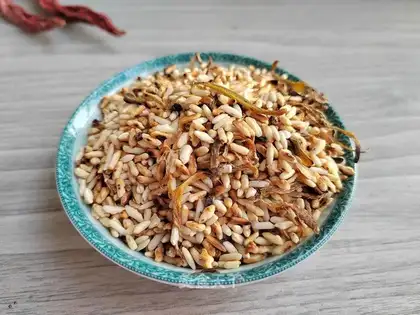
Rice, a humble grain that has sustained civilizations for millennia, remains one of the most consumed foods globally, feeding over half the world’s population. From the fragrant basmati of India to the sticky sushi rice of Japan, this versatile grain is not just a dietary staple but a nutritional cornerstone. Its journey from paddy fields to dinner tables is steeped in history, but its true value lies in its complex nutritional profile, diverse health benefits, and nuanced considerations for consumption. This article explores the nutritional richness of rice, its physiological and psychological benefits, and important dietary precautions to maximize its potential while minimizing risks.
I. Nutritional Value of Rice: More Than Just Carbohydrates
At first glance, rice might seem simple—a carbohydrate-rich food. However, its nutritional composition is far more intricate, varying significantly based on type (white, brown, black, red), processing, and preparation.
1. Macronutrient Profile
The primary component of rice is carbohydrates, accounting for 80–90% of its dry weight. These carbohydrates are primarily starch, a complex carbohydrate that provides sustained energy. Starch in rice exists in two forms: amylose (a linear molecule) and amylopectin (a branched molecule). The ratio of these two influences rice’s texture: high-amylose rice (like basmati) is firm and less sticky, while high-amylopectin rice (like japonica) is sticky and ideal for dishes like sushi.
Protein content in rice is moderate (7–8% per 100g), though it lacks some essential amino acids, such as lysine. However, when combined with legumes (e.g., beans and rice), it forms a complete protein profile, making it a valuable component in plant-based diets. Brown rice, in particular, offers slightly more protein than white rice due to its intact bran layer.
Fat content is minimal (less than 1%), but brown rice retains small amounts of beneficial fatty acids, including omega-3 and omega-6, in its bran.
2. Micronutrients and Bioactive Compounds
The nutritional disparity between white and brown rice is stark. White rice, polished to remove the bran and germ, loses most of its fiber, vitamins, and minerals. In contrast, brown rice retains these components, making it a nutrient-dense option.
- Fiber: Brown rice is rich in dietary fiber (3.5g per 100g), including insoluble fiber, which aids digestion, and soluble fiber, which helps regulate blood sugar and cholesterol. The bran layer also contains lignans, phytochemicals with antioxidant properties.
- Vitamins and Minerals: Brown rice is a good source of B vitamins (thiamin, riboflavin, niacin), which play critical roles in energy metabolism. It also provides magnesium (essential for muscle and nerve function), phosphorus (for bone health), and selenium (a powerful antioxidant). White rice is often fortified with B vitamins (e.g., thiamin, folic acid) and iron to弥补 losses during processing.
- Phytochemicals: Colored rice varieties (black, red, purple) are packed with anthocyanins (antioxidants that give rice its hue), gamma-oryzanol (a compound linked to cholesterol reduction), and ferulic acid, which has anti-inflammatory properties. For example, black rice (often called “forbidden rice”) contains anthocyanin levels comparable to blueberries, making it a “superfood” among grains.
II. Health Benefits of Rice: Beyond Sustenance
Rice is more than just a source of calories; it offers a range of health benefits, from supporting digestive health to reducing chronic disease risk.
1. Energy and Metabolic Health
As a complex carbohydrate, rice provides slow-release energy, preventing the blood sugar spikes associated with simple sugars. This makes it a preferred choice for athletes and individuals with active lifestyles. For those with diabetes, brown rice’s high fiber content helps improve insulin sensitivity, reducing post-meal blood glucose spikes. A 2010 study published in the Archives of Internal Medicine found that replacing white rice with brown rice lowers the risk of type 2 diabetes by 16%, attributed to fiber and magnesium’s role in glucose metabolism.
2. Digestive Health
The fiber in brown rice promotes regular bowel movements by adding bulk to stool and feeding beneficial gut bacteria. These bacteria ferment fiber to produce short-chain fatty acids (SCFAs), such as butyrate, which nourish colon cells and reduce inflammation. For individuals with irritable bowel syndrome (IBS), white rice’s low-FODMAP (fermentable oligosaccharides, disaccharides, monosaccharides, and polyols) content makes it a easily digestible option during flare-ups.
3. Heart Health
Rice, particularly brown and colored varieties, supports cardiovascular health in multiple ways. Its fiber helps lower LDL (“bad”) cholesterol, while magnesium and potassium regulate blood pressure. Gamma-oryzanol, found in rice bran, inhibits cholesterol absorption in the gut, reducing total cholesterol levels. A 2019 meta-analysis in Journal of the American Heart Association confirmed that higher whole-grain rice intake is associated with a 20% lower risk of coronary heart disease.
4. Weight Management
Contrary to the misconception that rice causes weight gain, it can be a valuable tool for weight management when consumed in appropriate portions. Brown rice’s high fiber content increases satiety, reducing overall calorie intake. A 2015 study in The American Journal of Clinical Nutrition found that adults who consumed whole grains (including brown rice) had a lower body mass index (BMI) and reduced abdominal fat compared to those who refined grains.
5. Gluten-Free and Allergen-Friendly
Rice is naturally gluten-free, making it a staple for individuals with celiac disease or gluten sensitivity. It serves as a base for gluten-free flours, breads, and pasta, expanding dietary options for this population. Additionally, rice is rarely allergenic, making it safe for most people, including infants (as rice cereal is often a first solid food).
6. Cognitive and Mood Support
Rice’s B vitamins, particularly thiamin and niacin, are critical for brain function. Thiamin deficiency can lead to Wernicke-Korsakoff syndrome, a neurological disorder characterized by memory loss and confusion. Carbohydrates from rice also boost serotonin production, a neurotransmitter that regulates mood, promoting feelings of calm and well-being.
III. Precautions and Considerations: Maximizing Rice’s Safety
While rice is generally safe, improper consumption or preparation can lead to health risks. Understanding these precautions ensures that rice remains a healthy choice.
1. Arsenic Contamination: A Hidden Risk
Rice is uniquely prone to arsenic accumulation, a toxic metalloid found in soil and water. Arsenic exists in two forms: organic (less toxic) and inorganic (carcinogenic). Rice plants absorb more arsenic than other crops due to flooded paddy conditions, which enhance arsenic solubility.
- Mitigation: To reduce arsenic exposure, rinse rice thoroughly before cooking, use a ratio of 6 cups water to 1 cup rice (and drain excess water), and choose white rice over brown (as arsenic concentrates in the bran). Varieties like basmati and jasmine rice from regions with low arsenic (e.g., India, Pakistan) are safer options. For infants, limit rice cereal and opt for diverse grains like oatmeal or quinoa.
2. Glycemic Index (GI) Concerns
White rice has a high GI (70–90), meaning it causes rapid spikes in blood sugar. This is problematic for diabetics and those with insulin resistance. Brown rice has a lower GI (50–70), making it a better choice for blood sugar control. However, portion control is key: a serving of rice (½ cup cooked) provides energy without excessive glucose.
3. Anti-Nutrients in Brown Rice
Brown rice contains phytic acid, an anti-nutrient that binds to minerals (iron, zinc, calcium), reducing their absorption. While phytic acid has antioxidant benefits, excessive intake can impair mineral status, particularly in populations with already low mineral intake (e.g., vegetarians). Soaking or fermenting rice before cooking reduces phytic acid by 50–80%, enhancing mineral bioavailability.
4. Allergies and Intolerances
Though rare, rice allergies can cause symptoms like itching, swelling, or digestive distress. Rice intolerance, often due to FODMAPs (in some varieties), may trigger bloating in sensitive individuals. Additionally, rice starch can cross-react with latex allergies (latex-fruit syndrome), though this is uncommon.
5. Portion Control and Balanced Diets
Overconsumption of rice, especially white rice, can contribute to weight gain and nutrient deficiencies if it displaces diverse foods. A balanced diet should include a variety of grains (quinoa, barley, oats), proteins, and vegetables to ensure adequate fiber, vitamins, and minerals. The USDA recommends 3–6 ounce-equivalents of grains daily, with at least half being whole grains (e.g., brown rice).
IV. Cultural and Global Significance: Rice as a Way of Life
Beyond nutrition, rice is deeply intertwined with human culture. In Asia, rice is a symbol of prosperity, fertility, and life—rituals like Japan’s Tsukimi (moon-viewing festival) feature rice dumplings to celebrate harvests. In the American South, “rice and beans” is a culinary legacy of African enslavement, reflecting resilience and cultural adaptation. Globally, rice shapes traditions, economies, and identities, making it more than just food—it is a heritage.
Conclusion
Rice is a nutritional chameleon: simple yet complex, universal yet diverse. Its carbohydrate-rich profile provides energy, while its fiber, vitamins, and phytochemicals support digestion, heart health, and disease prevention. However, its benefits are maximized when consumed mindfully—choosing whole grains, minimizing arsenic exposure, and balancing it with other foods. For billions, rice is not just a meal; it is a lifeline, a tradition, and a testament to humanity’s ability to nurture itself from the earth. As we continue to study and appreciate this ancient grain, we honor its past while harnessing its potential for a healthier future.