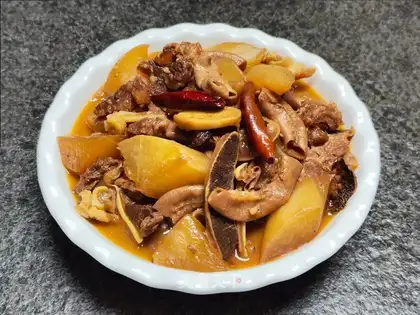
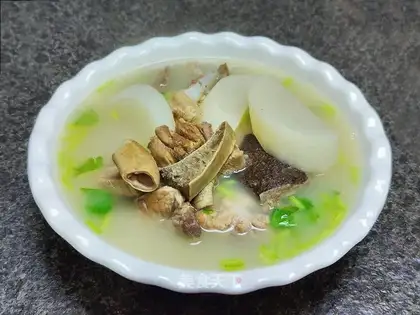
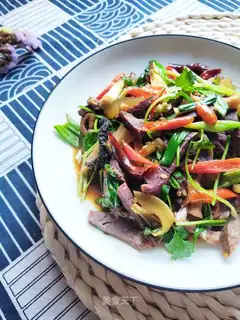
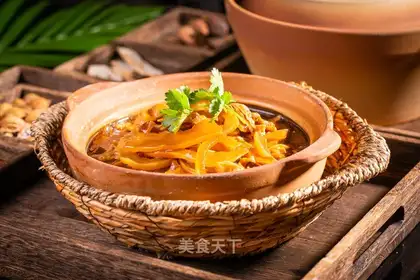
Beef offal, often referred to as "variety meats" or "organ meats," includes nutrient-dense organs such as liver, kidney, heart, tongue, tripe, and spleen. While historically a staple in many cultures, its popularity has waned in modern diets due to misconceptions about its safety and taste. However, beef offal is a nutritional powerhouse, offering unique health benefits that cannot be matched by muscle meat. This article explores the nutritional profile of beef offal, its proven health benefits, and important precautions to ensure safe consumption.
I. Nutritional Profile of Beef Offal
Beef offal is exceptionally rich in vitamins, minerals, protein, and healthy fats, often surpassing conventional cuts of beef in nutrient density. Its composition varies by organ, but collectively, it provides a concentrated source of essential nutrients vital for overall health.
1. High-Quality Protein
All beef offal varieties are excellent sources of complete protein, containing all nine essential amino acids necessary for muscle maintenance, tissue repair, and immune function. For instance, beef liver provides about 20 grams of protein per 100 grams, while heart and kidney offer 17–19 grams. This makes offal a valuable protein source for athletes, growing children, and individuals recovering from illness.
2. Abundant Vitamins
Beef offal is particularly renowned for its vitamin content, especially B vitamins and fat-soluble vitamins.
- Vitamin B12: Beef liver is one of the richest natural sources of vitamin B12, with a single 100-gram serving providing over 1,000% of the daily recommended intake. Vitamin B12 is critical for nerve function, DNA synthesis, and red blood cell formation. Deficiency can lead to anemia, fatigue, and neurological damage.
- Vitamin A: Liver is also high in preformed vitamin A (retinol), which is more bioavailable than the plant-based beta-carotene. Vitamin A supports vision, immune health, and skin integrity. A 100-gram serving of beef liver can meet over 600% of daily vitamin A needs.
- B Vitamins (B6, Riboflavin, Niacin): Offal is rich in other B vitamins, which play key roles in energy metabolism, brain function, and cardiovascular health. For example, niacin (vitamin B3) helps convert food into energy and supports cholesterol regulation.
3. Essential Minerals
Beef offal is a concentrated source of highly bioavailable minerals, many of which are lacking in typical Western diets.
- Iron: Beef liver and kidney are heme iron sources, which is absorbed 2–3 times more efficiently than non-heme iron from plants. A 100-gram serving of liver provides approximately 6.5 mg of iron, meeting over 35% of daily needs for women and 80% for men. Iron is vital for oxygen transport and preventing iron-deficiency anemia.
- Zinc: Liver and kidney are rich in zinc, a mineral essential for immune function, wound healing, and DNA synthesis. Zinc also supports male reproductive health, as it is a key component of sperm.
- Selenium: Offal is an excellent source of selenium, a powerful antioxidant that protects cells from oxidative damage and supports thyroid function. A 100-gram serving of kidney provides over 50% of the daily selenium requirement.
- Copper and Phosphorus: These minerals, abundant in offal, are crucial for energy production, bone health, and iron metabolism.
4. Healthy Fats
While offal contains more fat than lean muscle meat, it is rich in beneficial fats. Beef liver, for example, provides arachidonic acid (an omega-6 fatty acid) and small amounts of omega-3s, which support brain health and reduce inflammation. Heart and kidney are lower in fat but contain conjugated linoleic acid (CLA), linked to improved metabolic health and reduced body fat.
II. Health Benefits of Beef Offal
The unique nutrient profile of beef offal translates into several evidence-based health benefits, making it a valuable addition to a balanced diet.
1. Supports Anemia Prevention and Treatment
Due to its high heme iron content, beef offal is highly effective in preventing and treating iron-deficiency anemia, a common condition characterized by fatigue, weakness, and shortness of breath. Heme iron enhances iron absorption and is particularly beneficial for individuals with increased iron needs, such as pregnant women, adolescents, and menstruating females.
2. Boosts Brain and Nervous System Health
The high levels of vitamin B12 and choline in offal are critical for brain function. Vitamin B12 deficiency is linked to cognitive decline, memory loss, and neuropathy, while choline supports neurotransmitter production and brain development. A study published in the American Journal of Clinical Nutrition found that adequate choline intake is associated with better memory and cognitive flexibility in adults.
3. Enhances Immune Function
Offal’s rich content of vitamin A, zinc, and selenium strengthens the immune system. Vitamin A maintains the integrity of mucosal barriers (e.g., gut and respiratory linings), while zinc and selenium support the activity of immune cells such as T-cells and natural killer cells. Regular consumption of offal may reduce the risk of infections and improve immune response.
4. Promotes Skin, Hair, and Eye Health
Vitamin A and zinc in offal are vital for skin repair and collagen production. Vitamin A also regulates sebum production, reducing the risk of acne and dry skin. For eye health, vitamin A prevents night blindness and supports retinal function. Additionally, the B vitamins in offal, particularly biotin, promote healthy hair and nail growth.
5. Supports Fetal Development During Pregnancy
Pregnant women have increased nutrient needs, and offal can be a valuable source of folate, iron, vitamin B12, and choline. Folate is critical for preventing neural tube defects in fetuses, while iron supports increased blood volume and oxygen supply to the placenta. However, pregnant women should limit liver intake to avoid excessive vitamin A, which can be harmful in high doses.
6. Aids in Detoxification
Beef liver is nature’s most concentrated source of preformed vitamin A and contains compounds like glutathione, a powerful antioxidant that supports liver detoxification. The liver’s role in neutralizing toxins makes offal itself a nutrient that enhances the body’s natural detox pathways.
III. Precautions and Potential Risks
While beef offal offers numerous health benefits, improper consumption or overconsumption can pose risks. Understanding these precautions is essential to safely incorporate offal into the diet.
1. Vitamin A Toxicity
Beef liver is extremely high in preformed vitamin A. Consuming large amounts regularly (e.g., more than 100 grams per week) can lead to hypervitaminosis A, causing symptoms like nausea, headache, dizziness, and in severe cases, liver damage or birth defects. Pregnant women, in particular, should limit liver intake to no more than once a week and avoid high-dose vitamin A supplements.
2. Purine Content and Gout
Offal, especially kidney and liver, is high in purines, which break down into uric acid in the body. Individuals with gout or a history of kidney stones should avoid or strictly limit offal consumption, as high uric acid levels can trigger painful gout attacks or contribute to stone formation.
3. Cholesterol Concerns
Offal contains more cholesterol than muscle meat (e.g., 300–400 mg per 100 grams of liver). However, dietary cholesterol has a minimal impact on blood cholesterol for most people, as the body regulates its own cholesterol production. For individuals with hypercholesterolemia or heart disease, moderation is advised, and offal should be consumed as part of a low-saturated-fat diet.
4. Contaminant and Toxin Accumulation
As the body’s primary detoxification organ, the liver can accumulate toxins, hormones, and heavy metals if the animal was raised in a polluted environment. To minimize risk, choose high-quality, organic offal from grass-fed or pasture-raised animals. Avoid consuming liver from wild game or unknown sources, as these may contain higher levels of contaminants.
5. Food Safety and Preparation
Offal is highly perishable and requires careful handling to prevent bacterial contamination (e.g., Salmonella or E. coli). Always purchase fresh offal from reputable suppliers, store it at or below 4°C, and cook it thoroughly to kill pathogens. Avoid rare or undercooked offal, especially for vulnerable groups such as pregnant women, children, and the elderly.
6. Moderation and Balance
While offal is nutrient-dense, it should not replace muscle meat or plant-based foods in the diet. A balanced diet includes a variety of protein sources, and offal can be consumed 1–2 times per week as a supplement to, not a replacement for, other foods.
IV. Cultural and Culinary Uses of Beef Offal
Beef offal has been a staple in cuisines worldwide for centuries, reflecting its nutritional value and versatility. In European cultures, liver pâté and blood sausage are traditional dishes. In Asian cuisine, beef tripe is used in hot pot and stir-fries, while liver is a key ingredient in dishes like sate ampela (Indonesian skewered chicken liver) and yukhoe (Korean raw beef liver). Latin American cuisines feature menudo (tripe soup) and chinchulines (beef intestines), while African traditions include isophu (Zulu grilled liver) and mala (Nigerian cow foot stew).
Modern chefs are also reviving offal in gourmet cuisine, highlighting its unique textures and flavors. From crispy fried chicken hearts to pan-seared liver with onions, offal can be delicious when prepared correctly, encouraging a new generation to appreciate its benefits.
Conclusion
Beef offal is a nutrient-dense food that offers exceptional health benefits, from preventing anemia and boosting immunity to supporting brain and skin health. Its rich content of vitamins, minerals, and high-quality protein makes it a valuable addition to a balanced diet. However, moderation, proper sourcing, and safe preparation are crucial to avoid potential risks such as vitamin A toxicity or bacterial contamination. By embracing offal as part of a diverse diet, individuals can harness its nutritional power while enjoying its culinary versatility. Whether in traditional recipes or modern innovations, beef offal remains a testament to the wisdom of "nose-to-tail" eating, offering a sustainable and nutrient-rich alternative to conventional meats.