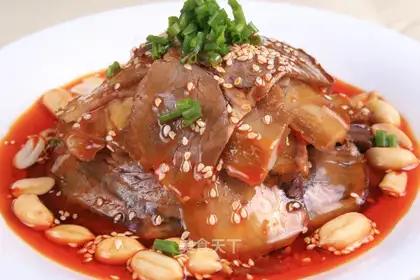
Beef, a staple in diets worldwide, is often celebrated for its muscle cuts—steak, ribs, and brisket. Yet, one of the most nutrient-dense and underappreciated parts of the cow is the heart. For centuries, organ meats like beef heart have been valued in traditional cuisines for their rich flavor and health benefits, but modern dietary trends have largely overlooked them. Today, as interest in nose-to-tail eating and nutrient-dense foods grows, beef heart is reclaiming its place as a superfood. Packed with protein, vitamins, and minerals, it offers unique advantages—from supporting muscle growth to boosting heart health. However, like all foods, it must be consumed wisely. This article explores the nutritional profile of beef heart, its proven health benefits, potential risks, and practical tips for incorporating it into a balanced diet.
I. Nutritional Profile: Why Beef Heart Stands Out
Beef heart is a nutritional powerhouse, boasting a dense concentration of essential nutrients that surpass many conventional muscle meats. A 100-gram serving of cooked beef heart (approximately half a cup) contains approximately:
- Protein: 26 grams, providing all nine essential amino acids, making it a complete protein source. This is significantly higher than chicken breast (31 grams per 100 grams) but with a richer amino acid profile, including high levels of lysine and methionine, which support tissue repair and immune function.
- Vitamins:
- Vitamin B12: 3.5 micrograms (146% of the Daily Value, DV), crucial for nerve function, DNA synthesis, and red blood cell formation. B12 deficiency can lead to anemia and cognitive decline, making beef heart an exceptional source for vegetarians and vegans who avoid animal products.
- Riboflavin (B2): 0.4 milligrams (31% DV), which aids in energy production and antioxidant defense.
- Niacin (B3): 8.6 milligrams (54% DV), essential for metabolism and skin health.
- Vitamin B6: 0.6 milligrams (35% DV), supporting brain function and neurotransmitter synthesis.
- Vitamin A: As retinol, beef heart provides significant amounts (approximately 20% DV per 100 grams), vital for vision, immune health, and cell growth. Unlike plant-based sources (like beta-carotene), retinol is directly usable by the body, making it ideal for individuals with absorption issues.
- Minerals:
- Iron: 4.9 milligrams (27% DV), in the heme form, which is highly bioavailable and easily absorbed by the body. Heme iron is particularly beneficial for preventing iron deficiency anemia, especially in women and athletes.
- Zinc: 4.8 milligrams (44% DV), critical for immune function, wound healing, and DNA synthesis.
- Selenium: 22 micrograms (40% DV), a powerful antioxidant that protects cells from damage and supports thyroid health.
- Phosphorus: 288 milligrams (29% DV), essential for bone health and energy production.
- Low in Fat: With only 6 grams of fat per 100 grams (including 1.5 grams of saturated fat), beef heart is a lean protein source, making it suitable for heart-conscious diets.
Compared to beef steak, which is rich in fat but lower in certain vitamins (like B12 and A), beef heart offers a more concentrated dose of micronutrients per calorie. This makes it an ideal choice for individuals seeking to maximize nutrient intake without excess saturated fat.
II. Health Benefits: More Than Just Muscle Food
The unique nutrient composition of beef heart translates to a range of health benefits, from physical performance to chronic disease prevention.
1. Supports Muscle Growth and Repair
As a complete protein source, beef heart provides the building blocks (amino acids) needed for muscle synthesis and repair. This makes it particularly valuable for athletes, bodybuilders, and older adults at risk of sarcopenia (age-related muscle loss). The high levels of carnosine—a dipeptide found in muscle and brain tissue—are also abundant in beef heart. Carnosine acts as an antioxidant, reduces muscle fatigue during exercise, and may delay age-related cognitive decline.
2. Boosts Heart Health
Despite its name, beef heart is beneficial for cardiovascular health. The heme iron it contains improves oxygen transport in the blood, while CoQ10 (coenzyme Q10), present in smaller amounts, supports energy production in heart cells and acts as an antioxidant to protect against oxidative stress. Additionally, the lean protein profile helps maintain healthy cholesterol levels: a 100-gram serving contains no trans fats and minimal saturated fat, making it a heart-smarter alternative to processed meats.
3. Enhances Cognitive Function and Energy Levels
B vitamins, particularly B12 and B6, play a key role in brain health. B12 deficiency is linked to memory loss, depression, and neuropathy, while B6 supports neurotransmitter production (e.g., serotonin and dopamine). Beef heart’s high B12 content makes it a potent food for maintaining cognitive sharpness. The iron and B vitamins also work together to convert food into energy, combating fatigue and improving stamina.
4. Strengthens the Immune System
Zinc and selenium are critical for immune function. Zinc supports the development of immune cells and fights off infections, while selenium enhances the activity of antioxidants like glutathione, which protects immune cells from damage. A single serving of beef heart provides nearly half the DV for zinc, making it a valuable food for bolstering immunity, especially during cold and flu season.
5. Promotes Healthy Skin, Hair, and Nails
The combination of protein, vitamin A, and zinc in beef heart supports skin repair and collagen production. Vitamin A helps maintain skin elasticity and prevents dryness, while zinc reduces inflammation and acne. For individuals with brittle hair or nails, the high protein and biotin (a B vitamin) content can improve strength and growth.
III. Culinary Uses: How to Prepare Beef Heart
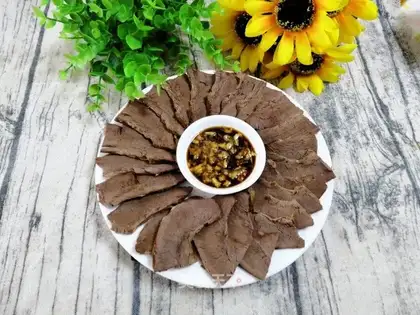
While beef heart may seem intimidating to some, it is a versatile ingredient when prepared correctly. Its flavor is often compared to lean steak, with a slightly richer, more robust taste. Here are key tips for cooking:
1. Trimming and Tenderizing
Beef heart has a tough outer membrane and fat cap that must be removed. Trim away any visible fat and the thick, rubbery outer layer (the pericardium). To tenderize the meat, marinate it for at least 2 hours (or overnight) in acidic ingredients like lemon juice, vinegar, or yogurt, which break down connective tissues.
2. Cooking Methods
- Grilling or Pan-Searing: Slice the heart into 1-inch thick steaks and cook over high heat for 2–3 minutes per side for medium-rare. This method highlights its natural flavor and keeps it tender.
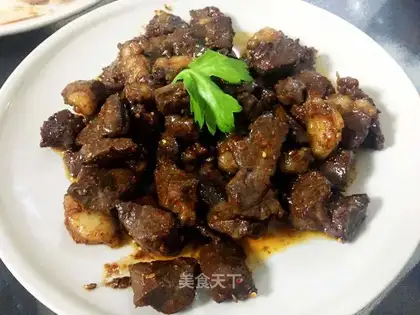
- Slow Cooking: Stewing or braising beef heart (e.g., in a chili or curry) makes it exceptionally tender. Simmer for 2–3 hours with vegetables and broth until fork-tender.
- Minced or Ground: Beef heart can be ground and used in burgers, meatballs, or tacos. Blending it with fattier meats (like beef chuck) improves moisture and flavor.
3. Flavor Pairings
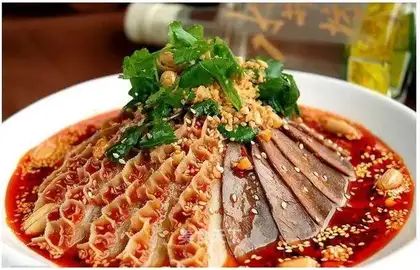
Beef heart pairs well with bold spices like cumin, paprika, and garlic, as well as acidic ingredients (lime, tomatoes) to balance its richness. In traditional dishes, it is often used in Mexican carnitas, European goulash, or Middle-eastern kebabs.
IV. Potential Risks and Precautions
While beef heart is highly nutritious, there are important considerations to ensure safe consumption:
1. Cholesterol Content
Beef heart contains about 350 milligrams of cholesterol per 100 grams—significantly higher than muscle meats (e.g., sirloin steak has ~80 milligrams). However, recent research suggests that dietary cholesterol has a minimal impact on blood cholesterol levels for most people. The body regulates its own cholesterol production, and for individuals with diabetes or heart disease, limiting cholesterol to 200–300 milligrams per day is advised. If you have high cholesterol, consume beef heart in moderation (1–2 times per week) and pair it with fiber-rich vegetables to reduce absorption.
2. Purine Levels
Beef heart is high in purines, compounds that break down into uric acid. People with gout or kidney stones should avoid it, as high purine intake can trigger gout attacks or exacerbate kidney issues. For healthy individuals, purines are generally not a concern, but moderation is key.
3. Sourcing and Quality
Choose beef heart from grass-fed, pasture-raised cows when possible. Grass-fed beef tends to have higher levels of omega-3 fatty acids and antioxidants and lower levels of antibiotics and hormones. Ensure the meat is fresh (bright red color, no off-odor) and cooked thoroughly to an internal temperature of 160°F (71°C) to kill harmful bacteria like Salmonella or E. coli.
4. Allergies and Sensitivities
While rare, some individuals may be allergic to organ meats. If you are trying beef heart for the first time, start with a small portion and monitor for adverse reactions like hives, digestive upset, or difficulty breathing.
V. Incorporating Beef Heart into Your Diet
For beginners, ease into beef heart by mixing it with familiar meats:
- Start with Mixture: Use 20–30% beef heart in ground beef for burgers or meatballs to adjust to the flavor.
- Try Thinly Sliced: Marinate and slice the heart thinly for stir-fries or tacos, where it cooks quickly and remains tender.
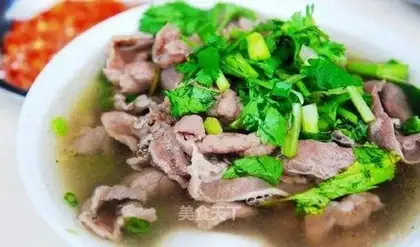
- Add to Soups or Stews: Diced beef heart adds depth to soups and becomes tender after slow cooking.
For those comfortable with its flavor, experiment with grilling or pan-searing to enjoy its natural taste. Aim for 1–2 servings per week to reap the benefits without exceeding recommended limits for cholesterol or purines.
Conclusion
Beef heart is a nutritional gem, offering a unique blend of protein, vitamins, and minerals that support muscle growth, heart health, cognitive function, and immunity. While it may have been overshadowed by muscle cuts in modern diets, its versatility and health benefits make it a valuable addition to a balanced, nutrient-dense diet. By sourcing it wisely, preparing it correctly, and consuming it in moderation, beef heart can transform from an overlooked organ meat into a cornerstone of healthy eating. As the saying goes, “nose to tail” eating is not just sustainable—it’s a delicious way to nourish the body from the inside out. Whether you’re an athlete, a health enthusiast, or simply curious about expanding your culinary horizons, beef heart is worth a try. Your heart (and the rest of your body) will thank you.