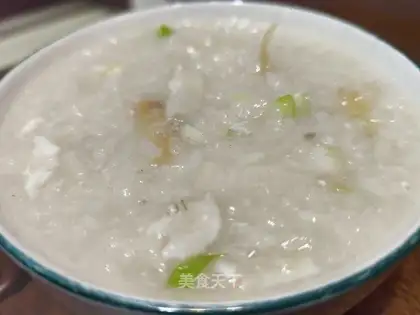
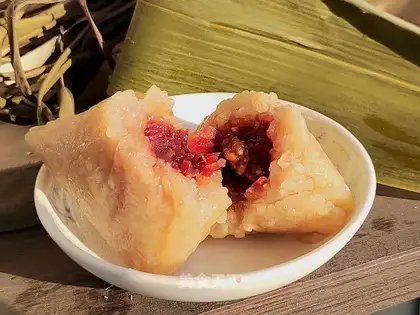
Glutinous rice (Oryza sativa var. glutinosa), commonly known as "sticky rice" or "sweet rice," is a staple food in many Asian countries, including China, Thailand, Vietnam, and Japan. Renowned for its sticky, chewy texture when cooked, it has been a dietary cornerstone for millennia, not only for its culinary versatility but also for its impressive nutritional profile and health-promoting properties. However, despite its benefits, glutinous rice is not without its drawbacks, particularly for certain individuals. This article explores the nutritional value of glutinous rice, its health benefits, and important precautions to consider when consuming it.
Nutritional Value of Glutinous Rice
Glutinous rice stands out among other rice varieties due to its unique composition of carbohydrates, proteins, vitamins, and minerals. While its nutritional profile shares similarities with non-glutinous rice, its high amylopectin content (a type of starch) gives it distinct characteristics.
1. Carbohydrates: The Primary Energy Source
The most dominant component of glutinous rice is carbohydrates, accounting for approximately 80-85% of its dry weight. Unlike non-glutinous rice, which contains both amylose and amylopectin, glutinous rice is almost entirely composed of amylopectin (98-100%), a branched-chain starch that makes it gelatinous when cooked. This structure allows for slow digestion and gradual energy release, making it an excellent source of sustained energy. For athletes or individuals engaged in strenuous physical activity, glutinous rice can provide long-lasting fuel without causing rapid spikes in blood sugar.
2. Protein and Amino Acids
Glutinous rice contains moderate amounts of protein (around 6-8% per 100g), though it is considered an "incomplete protein" due to its low levels of lysine and other essential amino acids. However, when paired with complementary protein sources such as legumes, nuts, or dairy, it can form a complete protein profile, enhancing its nutritional value. This is particularly important in vegetarian or plant-based diets, where combining grains and legumes is a common strategy to meet protein needs.
3. Vitamins and Minerals
While glutinous rice is not as rich in vitamins and minerals as whole grains like brown rice, it still provides several essential nutrients:
- B Vitamins: It contains small amounts of thiamine (B1), riboflavin (B2), and niacin (B3), which play key roles in energy metabolism and nervous system function.
- Minerals: Glutinous rice provides minerals such as manganese, magnesium, phosphorus, and zinc. Manganese is crucial for bone formation and antioxidant defense, while magnesium supports muscle and nerve function. Phosphorus is vital for energy production and cell repair, and zinc boosts immune health.
- Dietary Fiber: Though less than brown rice, glutinous rice contains soluble fiber, which aids digestion and promotes gut health. The fiber content varies depending on whether it is polished (white glutinous rice) or unpolished (black or brown glutinous rice), with the latter retaining more fiber and nutrients.
4. Low Fat and Cholesterol-Free
Glutinous rice is naturally low in fat (less than 1% per 100g) and contains no cholesterol, making it a heart-healthy choice when consumed in moderation. Its low-fat profile is beneficial for weight management and reducing the risk of cardiovascular diseases.
Health Benefits of Glutinous Rice
Beyond its nutritional composition, glutinous rice offers a range of health benefits, supported by both traditional medicine and modern research.
1. Sustained Energy Release and Blood Sugar Regulation
The high amylopectin content in glutinous rice results in a lower glycemic index (GI) compared to non-glutinous white rice, particularly when cooked and cooled (resistant starch formation). This means it digests more slowly, preventing rapid spikes in blood sugar and insulin levels. For individuals with diabetes or those looking to manage blood sugar, consuming glutinous rice in moderation (and pairing it with fiber, protein, or healthy fats) can help maintain stable glucose levels.
2. Digestive Health
Glutinous rice is often recommended for individuals with digestive issues, such as diarrhea or gastritis, due to its easy digestibility. The sticky texture of cooked glutinous rice forms a protective coating in the stomach, reducing irritation and promoting healing. Additionally, the soluble fiber in glutinous rice acts as a prebiotic, feeding beneficial gut bacteria and improving overall gut microbiome health.
3. Traditional Medicine Applications
In Traditional Chinese Medicine (TCM), glutinous rice is valued for its warming properties and ability to nourish the spleen and stomach. It is often used to treat conditions like fatigue, poor appetite, and cold limbs. Black glutinous rice, in particular, is considered a "superfood" in TCM, believed to tonify the kidneys, improve blood circulation, and prevent premature aging. Modern research has linked black glutinous rice to high levels of anthocyanins (antioxidants that combat oxidative stress), supporting these traditional claims.
4. Bone and Muscle Health
The manganese and magnesium in glutinous rice are essential for maintaining strong bones and healthy muscles. Manganese aids in the formation of bone matrix and collagen, while magnesium regulates muscle contractions and nerve signals. For older adults, who are at higher risk of osteoporosis, incorporating glutinous rice into their diet may help support bone density.
5. Weight Management
Despite its carbohydrate content, glutinous rice can be part of a weight management plan when consumed in appropriate portions. Its high satiety value (due to its sticky texture and slow digestion) reduces hunger and overeating. Additionally, its low-fat profile makes it a healthier alternative to refined snacks or processed foods.
Precautions and Potential Side Effects
While glutinous rice offers numerous health benefits, it is not suitable for everyone. Certain individuals should consume it with caution or avoid it altogether.
1. High Glycemic Index for Diabetics (When Overconsumed)
Though glutinous rice has a lower GI than non-glutinous white rice, it is still a high-carbohydrate food. Overconsumption can lead to elevated blood sugar levels, particularly in individuals with uncontrolled diabetes. Diabetics should opt for portion control and pair glutinous rice with fiber-rich vegetables or lean proteins to mitigate its impact on blood sugar.
2. Digestive Discomfort
The high starch content and sticky texture of glutinous rice can cause digestive discomfort, such as bloating, gas, or constipation, in some individuals. Those with irritable bowel syndrome (IBS) or other digestive disorders may find it harder to digest, especially in large quantities. Starting with small portions and ensuring thorough cooking can help reduce these issues.
3. Allergies and Intolerances
While rare, some individuals may have allergies or intolerances to rice proteins. Symptoms can include itching, swelling, or digestive upset. If adverse reactions occur, it is advisable to avoid glutinous rice and consult a healthcare provider.
4. Arsenic Contamination
Like all rice varieties, glutinous rice may contain trace amounts of arsenic, a toxic metal that accumulates in rice grains due to agricultural practices. To minimize exposure, rinse rice thoroughly before cooking, use a higher water-to-rice ratio (which helps reduce arsenic absorption), and vary grain sources (e.g., alternating rice with quinoa or barley).
5. Weight Gain from Excessive Consumption
While glutinous rice can aid weight management when consumed in moderation, its high calorie density (approximately 360 kcal per 100g cooked) can lead to weight gain if overeaten. Individuals aiming to lose weight should monitor portion sizes and balance it with low-calorie, nutrient-dense foods.
Conclusion
Glutinous rice is a versatile and nutritious food that offers a range of health benefits, from sustained energy release to improved digestive and bone health. Its unique composition of carbohydrates, vitamins, and minerals makes it a valuable staple in many diets, particularly for those seeking a natural source of long-lasting energy. However, like all foods, it should be consumed mindfully, with attention to portion sizes and individual health needs. For diabetics, individuals with digestive issues, or those concerned about arsenic exposure, taking precautions such as pairing it with fiber, moderating intake, and rinsing thoroughly can help maximize its benefits while minimizing risks. When incorporated into a balanced diet, glutinous rice can be a delicious and nourishing addition to a healthy lifestyle.