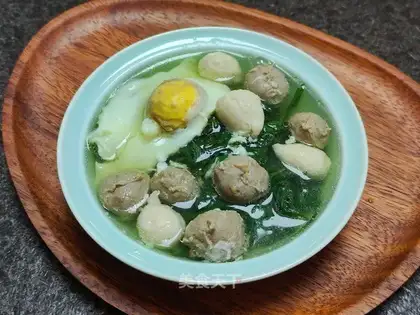
Beef balls, a beloved culinary staple across cultures—from Chinese hot pot to Italian meatballs and Middle Eastern kofta—are more than just a tasty addition to meals. These savory, protein-rich orbs offer a unique combination of nutrition, flavor, and versatility. However, like all foods, they must be consumed mindfully to maximize benefits and avoid potential risks. This article explores the nutritional profile of beef balls, their health benefits, and important considerations for safe consumption.
I. Nutritional Value of Beef Balls
The nutritional composition of beef balls varies slightly based on ingredients (e.g., lean vs. fatty meat, added fillers like breadcrumbs or vegetables), but a standard serving (100 grams of plain, homemade beef balls) typically provides:
1. High-Quality Protein
Beef is a complete protein source, containing all nine essential amino acids (histidine, isoleucine, leucine, lysine, methionine, phenylalanine, threonine, tryptophan, and valine) that the body cannot produce independently. A 100-gram serving of beef balls offers approximately 18–20 grams of protein, crucial for muscle repair, immune function, and enzyme synthesis. For athletes, older adults, or those recovering from illness, this makes beef balls an excellent protein source to support tissue maintenance and growth.
2. Essential Vitamins and Minerals
Beef balls are rich in key micronutrients often lacking in plant-based diets:
- Vitamin B12: Critical for nerve function, DNA synthesis, and red blood cell formation. A 100-gram serving provides roughly 2.5 micrograms (over 100% of the daily recommended intake), making beef balls a top choice for preventing B12 deficiency, which is common in vegetarians.
- Iron: Beef contains heme iron, the most easily absorbed form of iron (2–3 times more bioavailable than plant-based iron). A 100-gram serving delivers 2–3 milligrams of iron, supporting oxygen transport in the blood and reducing the risk of anemia.
- Zinc: Vital for immune health, wound healing, and DNA production. Beef balls provide 4–5 milligrams per 100 grams, helping to meet the 8–11 milligrams daily requirement for adults.
- Selenium: A powerful antioxidant that protects cells from damage and supports thyroid function. Beef balls offer 15–20 micrograms per serving, contributing to the 55 micrograms daily recommended intake.
3. Fats: The Good and the Bad
The fat content in beef balls depends on the cut of meat used. Fatty cuts (e.g., chuck or brisket) increase saturated fat levels, while leaner cuts (e.g., sirloin or round) reduce it. A 100-gram serving of lean beef balls contains 8–10 grams of fat, with 3–4 grams being saturated fat. Moderation is key: while saturated fat is necessary for hormone production, excessive intake may raise LDL (“bad”) cholesterol. However, beef also contains small amounts of monounsaturated fat (e.g., oleic acid) and conjugated linoleic acid (CLA), which has been studied for its potential role in weight management and heart health.
4. Carbohydrates and Additives
Homemade beef balls are low in carbohydrates (1–2 grams per 100 grams) unless breadcrumbs, flour, or starchy vegetables (e.g., potatoes) are added. Store-bought versions may contain higher carbs (5–10 grams) due to fillers, along with sodium (300–500 milligrams per serving) for flavor and preservation. Excessive sodium can contribute to hypertension, so checking labels is advisable.
II. Health Benefits of Beef Balls
When prepared with lean meat and minimal additives, beef balls offer several health advantages:
1. Supports Muscle Mass and Physical Performance
The high-quality protein in beef balls stimulates muscle protein synthesis (MPS), making them ideal for athletes, fitness enthusiasts, or older adults at risk of sarcopenia (age-related muscle loss). A study in the Journal of the American College of Nutrition found that consuming 20–30 grams of protein per meal (equivalent to 100–150 grams of beef balls) optimizes muscle recovery and growth post-exercise.
2. Boosts Immune Function
Beef balls are rich in zinc, selenium, and vitamin B6—all essential for a robust immune system. Zinc deficiency impairs immune cell activity, increasing susceptibility to infections, while selenium enhances antioxidant defenses. A 2020 study in Nutrients linked adequate selenium intake to a reduced risk of respiratory infections, highlighting beef balls’ role in immune support.
3. Prevents Nutrient Deficiencies
For individuals with limited access to diverse foods (e.g., those in food-insecure regions or with restrictive diets), beef balls provide a concentrated source of B12, iron, and zinc—nutrients commonly lacking in plant-heavy or processed diets. B12 deficiency, for example, can cause fatigue, neuropathy, and anemia, making beef balls a valuable dietary option for vulnerable groups.
4. Promotes Satiety and Weight Management
Protein and fat in beef balls increase satiety, reducing hunger and overall calorie intake. Research published in The American Journal of Clinical Nutrition shows that high-protein meals (like those containing beef) decrease levels of ghrelin (the “hunger hormone”) and increase peptide YY (a satiety hormone), aiding in weight control. When paired with vegetables, beef balls can form a balanced, low-calorie meal that supports long-term health.
5. Enhances Cognitive Health
Vitamin B12 and iron play key roles in brain function. B12 maintains myelin sheaths that protect nerve fibers, while iron ensures adequate oxygen supply to the brain. Deficiencies in these nutrients are linked to cognitive decline, memory loss, and depression. Regular consumption of beef balls may help maintain mental sharpness, particularly in older adults.
III. Precautions and Potential Risks
While beef balls offer numerous benefits, improper preparation or excessive consumption can lead to health issues. Here are key considerations:
1. Sodium Content and Heart Health
Store-bought beef balls often contain added sodium for preservation and flavor. A single serving (100 grams) may provide 20–30% of the daily sodium limit (2,300 milligrams). High sodium intake is a major risk factor for hypertension, stroke, and heart disease. To mitigate this:
- Choose low-sodium or homemade versions.
- Rinse store-bought beef balls under water to reduce sodium by 15–20%.
- Balance meals with potassium-rich foods (e.g., spinach, bananas) to counteract sodium’s effects.
2. Saturated Fat and Cardiovascular Risk
Fatty beef balls, especially those made with processed meats (e.g., sausages), can be high in saturated fat. The American Heart Association recommends limiting saturated fat to 5–6% of daily calories (13–15 grams for a 2,000-calorie diet). Excessive intake raises LDL cholesterol, increasing the risk of atherosclerosis. Opt for lean cuts (e.g., 90% lean ground beef) and limit consumption to 2–3 times per week.
3. Food Safety and Contamination
Undercooked beef balls pose a risk of foodborne illnesses caused by bacteria like E. coli, Salmonella, or Listeria. To ensure safety:
- Cook beef balls to an internal temperature of 71°C (160°F).
- Avoid cross-contamination by using separate cutting boards for raw meat and vegetables.
- Refrigerate cooked beef balls within 2 hours and consume within 3–4 days.
4. Processed Additives and Preservatives
Some commercial beef balls contain fillers (e.g., soy protein isolate, carrageenan), preservatives (e.g., sodium nitrite), or artificial flavors. Sodium nitrite, used to prevent bacterial growth and enhance color, has been linked to an increased risk of colorectal cancer when consumed in large amounts. Choose products with simple ingredient lists (e.g., “beef, salt, pepper, herbs”) or make homemade versions.
5. Dietary Restrictions and Allergies
Beef balls are unsuitable for vegans, vegetarians, and those with beef allergies or celiac disease (if gluten-containing fillers are used). For plant-based alternatives, consider lentil, chickpea, or mushroom-based “meatballs” that mimic texture and protein content.
IV. Conclusion
Beef balls are a nutrient-dense food that can be part of a balanced diet when prepared and consumed wisely. Their high protein content, essential vitamins, and minerals support muscle health, immune function, and overall well-being. However, mindful choices—such as selecting lean meat, limiting sodium, and ensuring proper cooking—are critical to avoiding risks like heart disease or foodborne illness.
For optimal health, pair beef balls with fiber-rich vegetables (e.g., broccoli, bell peppers) and whole grains (e.g., quinoa, brown rice) to create a well-rounded meal. By understanding their nutritional benefits and precautions, individuals can enjoy beef balls as both a delicious and nourishing addition to their diet.
In moderation and with care, beef balls exemplify how traditional foods can bridge the gap between taste and wellness—proving that even the simplest dishes can be powerhouses of nutrition.