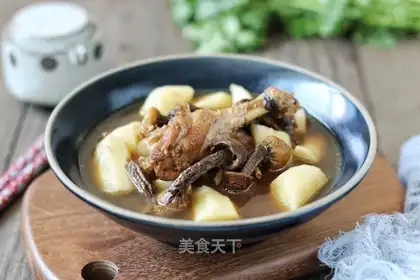
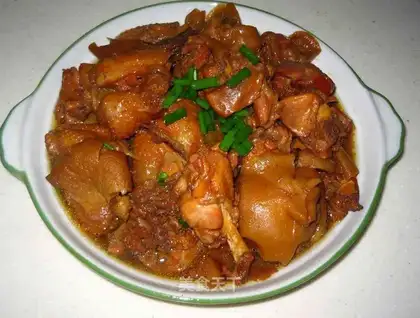
Wild pheasant, known scientifically as Phasianus colchicus, has been a prized game bird for centuries, celebrated for its lean, flavorful meat and association with rustic, healthy cuisine. Beyond its culinary appeal, pheasant meat is a nutritional powerhouse, offering a unique profile of high-quality protein, essential vitamins, and minerals. However, like any specialty protein, it is important to understand its benefits, potential risks, and proper preparation methods to fully enjoy its advantages. This article delves into the nutritional value of pheasant, its health benefits, and key precautions to consider when consuming this wild game.
I. Nutritional Value of Pheasant: A Lean, Nutrient-Dense Protein Source
Pheasant meat is often favored by health-conscious individuals due to its exceptional nutritional profile, which sets it apart from more common proteins like chicken or beef. A 100-gram (3.5-ounce) serving of cooked pheasant meat (without skin) provides approximately 165–180 calories, 31–35 grams of protein, and 3–5 grams of fat, with less than 2 grams being saturated fat. This makes it one of the leanest protein sources available, ideal for low-fat, high-protein diets.
1. High-Quality Protein
Protein is essential for muscle growth, tissue repair, and immune function. Pheasant meat is a complete protein, containing all nine essential amino acids (histidine, isoleucine, leucine, lysine, methionine, phenylalanine, threonine, tryptophan, and valine) that the body cannot produce independently. The amino acid profile of pheasant is particularly rich in leucine, a key trigger for muscle protein synthesis, making it an excellent choice for athletes, older adults, and those recovering from illness.
2. Low in Fat and Cholesterol
Compared to chicken (which contains ~3.6g fat per 100g) or beef (which can contain 15–20g fat per 100g), pheasant is exceptionally lean. Its fat content is primarily composed of monounsaturated and polyunsaturated fats, including heart-healthy omega-3 and omega-6 fatty acids. These fats support brain function, reduce inflammation, and improve lipid profiles. Additionally, pheasant contains ~70–80mg of cholesterol per 100g, significantly less than fatty cuts of red meat, making it a heart-healthy alternative.
3. Rich in Vitamins and Minerals
Pheasant meat is a concentrated source of essential micronutrients:
- B Vitamins: It is particularly high in niacin (vitamin B3), with ~8–10mg per 100g—nearly 50% of the daily recommended intake. Niacin is crucial for energy metabolism, nervous system function, and skin health. It also contains vitamin B6 (for immune support and amino acid metabolism) and vitamin B12 (for red blood cell formation and nerve health).
- Iron: Pheasant provides ~2–3mg of iron per 100g, primarily in the heme form (more easily absorbed than non-heme iron from plants). Iron is vital for oxygen transport and preventing anemia.
- Zinc: With ~2–3mg per 100g, pheasant supports immune function, wound healing, and DNA synthesis.
- Selenium: A powerful antioxidant, selenium (~20–25µg per 100g) protects cells from damage and supports thyroid health.
- Phosphorus: Essential for bone health and energy production, pheasant offers ~200–220mg of phosphorus per 100g.
4. Unique Bioactive Compounds
Wild pheasant, foraged in natural habitats, may contain higher levels of certain bioactive compounds than farmed poultry. For example, their diet of wild grains, seeds, and insects can increase the concentration of conjugated linoleic acid (CLA), a fatty acid linked to improved body composition and reduced inflammation. Additionally, pheasant meat contains creatine and carnosine, compounds that support muscle performance and antioxidant defenses.
II. Health Benefits of Consuming Pheasant
The nutritional profile of pheasant translates into a range of health benefits, from muscle maintenance to chronic disease prevention.
1. Supports Muscle Mass and Weight Management
With its high protein and low fat content, pheasant is an ideal food for preserving muscle mass, particularly during weight loss or aging. Protein increases satiety, reducing overall calorie intake, while its leucine content stimulates muscle protein synthesis, helping to prevent age-related muscle loss (sarcopenia). A study published in the Journal of the American College of Nutrition found that lean protein sources like pheasant can enhance fat loss while retaining muscle mass more effectively than higher-fat proteins.
2. Promotes Heart Health
Pheasant’s low saturated fat, high unsaturated fat, and omega-3 content make it a heart-healthy choice. Replacing red meat with pheasant can lower LDL (“bad”) cholesterol and triglyceride levels, reducing the risk of atherosclerosis and heart disease. The B vitamins in pheasant, particularly B6 and B12, also help regulate homocysteine—an amino acid linked to heart disease when elevated.
3. Enhances Immune Function
The zinc and selenium in pheasant are critical for a robust immune system. Zinc deficiency impairs immune cell development, while selenium boosts the activity of antioxidants like glutathione, which protect immune cells from oxidative stress. Regular consumption of pheasant may reduce the severity and duration of infections, especially in vulnerable populations such as the elderly or immunocompromised individuals.
4. Supports Brain and Cognitive Health
Pheasant’s B vitamins, especially B12 and niacin, play key roles in brain function. Vitamin B12 deficiency is associated with memory loss, depression, and cognitive decline, while niacin supports neurotransmitter production and blood flow to the brain. Additionally, the omega-3 fatty acids in pheasant (from its natural diet) may reduce inflammation in the brain, potentially lowering the risk of neurodegenerative diseases like Alzheimer’s.
5. Boosts Energy and Metabolism
Pheasant is rich in iron and B vitamins, which are essential for energy production. Iron helps form hemoglobin, which carries oxygen to cells, while B vitamins convert food into usable energy. For individuals with fatigue or iron-deficiency anemia, incorporating pheasant into the diet can improve energy levels and overall vitality.
III. Precautions and Potential Risks of Consuming Pheasant
While pheasant offers numerous health benefits, there are important precautions to consider, particularly regarding sourcing, preparation, and individual health conditions.
1. Sourcing and Safety: Wild vs. Farmed Pheasant
- Wild Pheasant: Wild-caught pheasant may carry parasites (such as tapeworms) or bacteria (e.g., Salmonella or Campylobacter) if not properly handled and cooked. It is crucial to source wild pheasant from reputable hunters or suppliers who follow food safety guidelines.
- Farmed Pheasant: Commercially farmed pheasant is generally safer, as it is raised in controlled environments and inspected for pathogens. However, farmed birds may have a higher fat content if fed grain-based diets, and some farms may use antibiotics or hormones, though this is less common in regulated regions.
Key Tip: Always cook pheasant to an internal temperature of 74°C (165°F) to kill harmful bacteria and parasites. Use a meat thermometer to ensure accuracy.
2. Heavy Metal Contamination
Wild pheasant living in polluted areas (e.g., near industrial sites or contaminated water sources) may accumulate heavy metals like lead or cadmium. Lead exposure is a particular concern for hunters using lead-based ammunition, as fragments can embed in the meat. To minimize risk:
- Avoid consuming pheasant shot with lead ammunition.
- Trim fat and connective tissues, where toxins may accumulate.
- Source pheasant from clean, unpolluted habitats.
3. Allergies and Sensitivities
While rare, some individuals may be allergic to pheasant meat. Symptoms can range from mild (hives, itching) to severe (anaphylaxis). Those with known poultry allergies should exercise caution and consult a healthcare provider before trying pheasant.
4. Purine Content and Gout
Pheasant is moderately high in purines, natural compounds that break down into uric acid. In individuals with gout or hyperuricemia, excessive purine intake can trigger painful joint inflammation. Such individuals should limit pheasant consumption and pair it with purine-lowering foods (e.g., cherries, leafy greens).
5. Sodium and Preparation Methods
Pheasant itself is low in sodium, but preparation methods can significantly impact its healthfulness. Avoid processed pheasant products (e.g., cured or smoked pheasant) which are high in sodium and preservatives. Instead, opt for grilling, baking, or roasting with herbs and spices to enhance flavor without adding salt.
IV. Culinary Tips: Preparing Pheasant for Maximum Health Benefits
To fully enjoy pheasant’s nutritional advantages, proper preparation is key:
- Marinating: Pheasant’s lean meat can dry out if overcooked. Marinating it in acidic liquids (e.g., lemon juice, vinegar) or tenderizing ingredients (e.g., yogurt, pineapple) improves moisture and tenderness.
- Cooking Methods: Use moist-heat methods like braising or stewing for tougher cuts, and dry-heat methods like grilling or pan-searing for tender cuts (e.g., breast). Avoid overcooking to preserve nutrients and texture.
- Pairings: Complement pheasant with nutrient-rich sides like roasted vegetables (for fiber and vitamins), whole grains (for complex carbs), and leafy greens (for iron absorption).
Conclusion
Pheasant is a exceptional protein source that offers a unique blend of lean protein, essential vitamins, minerals, and healthy fats. Its benefits—from muscle maintenance to heart and brain health—make it a valuable addition to a balanced diet. However, mindful sourcing, thorough cooking, and awareness of individual health conditions are crucial to avoiding potential risks. Whether enjoyed as a gourmet meal or a staple for health-conscious eaters, pheasant stands out as a nutritious, sustainable, and delicious choice that bridges the gap between culinary pleasure and wellness. By understanding its full potential and precautions, consumers can harness the power of this wild game to optimize their health and well-being.