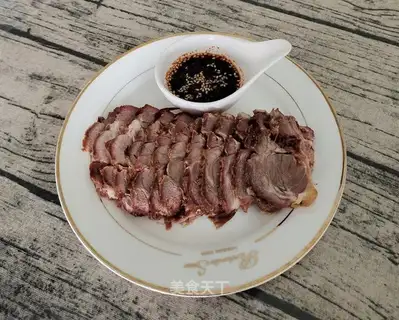
Lamb, a staple in cuisines across the Middle East, Mediterranean, Europe, and parts of Asia, has been prized for centuries not only for its rich flavor and tender texture but also for its impressive nutritional profile. As a red meat derived from sheep, lamb offers a unique combination of protein, vitamins, and minerals that support overall health. However, like all foods, it must be consumed mindfully to maximize benefits and minimize risks. This article explores the nutritional value of lamb, its health benefits, and important precautions to consider when incorporating it into a diet.
I. Nutritional Value of Lamb
Lamb is a nutrient-dense meat, meaning it provides a high concentration of essential nutrients relative to its calorie content. Its nutritional profile varies slightly depending on the cut (e.g., lean loin vs. fatty shoulder) and the animal’s diet (grass-fed vs. grain-fed), but its core components remain consistently valuable.
1. High-Quality Protein
Protein is vital for building and repairing tissues, producing enzymes and hormones, and supporting immune function. Lamb is an excellent source of complete protein, containing all nine essential amino acids that the body cannot produce on its own. A 100-gram serving of cooked lamb provides approximately 25–30 grams of protein, making it an ideal choice for athletes, growing children, and individuals recovering from illness. The protein in lamb is also highly bioavailable, meaning the body can easily absorb and utilize it.
2. Rich in Vitamins
Lamb is particularly rich in B vitamins, which play a critical role in energy metabolism, brain function, and red blood cell production. Key B vitamins found in lamb include:
- Vitamin B12: Essential for nerve function and the formation of red blood cells. A 100-gram serving of lamb can provide over 100% of the daily recommended intake of B12, making it a crucial food for vegans and vegetarians who avoid animal products.
- Niacin (B3): Supports digestion, skin health, and energy production.
- Vitamin B6: Important for brain development and immune function.
- Riboflavin (B2): Helps convert food into energy and maintains healthy skin and eyes.
Additionally, lamb is one of the few natural sources of vitamin D, especially in grass-fed varieties. Vitamin D is vital for bone health, immune regulation, and mood stabilization.
3. Abundant in Minerals
Lamb is a powerhouse of essential minerals, many of which are lacking in modern diets:
- Iron: Lamb is a source of heme iron, the type of iron found in animal products that is more easily absorbed than non-heme iron from plants. Iron is essential for preventing anemia, as it helps transport oxygen throughout the body. A 100-gram serving of lamb provides about 15–20% of the daily iron requirement.
- Zinc: Critical for immune function, wound healing, and DNA synthesis. Lamb is one of the best dietary sources of zinc, with a single serving providing 30–40% of the daily recommended intake.
- Selenium: A powerful antioxidant that protects cells from damage and supports thyroid function. Grass-fed lamb tends to be higher in selenium due to the mineral content of the soil where the sheep graze.
- Phosphorus: Works with calcium to build strong bones and teeth.
4. Healthy Fats
While lamb is often perceived as a fatty meat, its fat composition can be beneficial, especially in grass-fed varieties. Grass-fed lamb contains higher levels of omega-3 fatty acids, which are anti-inflammatory and support heart and brain health. It also provides conjugated linoleic acid (CLA), a fatty acid linked to improved body composition and reduced risk of chronic diseases. However, moderation is key, as some cuts (e.g., rib chops) can be high in saturated fat.
II. Health Benefits of Lamb
The nutrients in lamb contribute to a range of health benefits, from muscle maintenance to chronic disease prevention.
1. Supports Muscle Growth and Repair
The high-quality protein in lamb is particularly beneficial for athletes and older adults. Protein helps repair muscle tissue after exercise and prevents age-related muscle loss (sarcopenia). For older adults, consuming adequate protein from sources like lamb can help maintain mobility and independence.
2. Prevents Anemia
Iron deficiency is one of the most common nutritional deficiencies worldwide, leading to fatigue, weakness, and impaired cognitive function. The heme iron in lamb is highly bioavailable, making it an effective food for preventing and treating iron-deficiency anemia, especially in women of childbearing age and pregnant women.
3. Boosts Immune Function
Lamb’s rich content of zinc and selenium is critical for a healthy immune system. Zinc helps produce immune cells, while selenium acts as an antioxidant to reduce inflammation and support immune response. Regular consumption of lamb may help the body fight off infections and illnesses.
4. Promotes Brain Health
The B vitamins in lamb, particularly B12 and B6, are essential for brain function. Vitamin B12 helps maintain the myelin sheath that protects nerve fibers, while B6 supports the production of neurotransmitters like serotonin and dopamine, which regulate mood and cognition. Adequate B12 intake may also reduce the risk of neurodegenerative diseases like Alzheimer’s.
5. Enhances Energy Levels
Lamb is rich in iron and B vitamins, both of which play key roles in energy production. Iron helps deliver oxygen to cells, while B vitamins convert food into usable energy. Individuals with low energy levels or chronic fatigue may benefit from including lamb in their diet.
6. Supports Bone Health
Lamb provides phosphorus, calcium, and vitamin D, all of which are important for maintaining strong bones. Vitamin D enhances calcium absorption, while phosphorus works with calcium to build bone density. Regular consumption of lamb may help prevent osteoporosis, especially in older adults.
III. Precautions and Considerations
While lamb offers numerous health benefits, there are important precautions to keep in mind to ensure safe and healthy consumption.
1. Moderation is Key
Lamb is a red meat, and excessive consumption has been linked to an increased risk of heart disease and certain cancers, primarily due to its saturated fat content. The World Health Organization (WHO) recommends limiting red meat intake to no more than 500 grams per week. Opt for lean cuts like loin, leg, or shoulder to reduce saturated fat intake.
2. Choose Grass-Fed When Possible
Grass-fed lamb is generally leaner and higher in omega-3 fatty acids, CLA, and vitamin D than grain-fed lamb. It also contains fewer antibiotics and hormones, making it a healthier and more sustainable choice. Look for labels that specify “grass-fed” or “pasture-raised” when purchasing lamb.
3. Avoid Overcooking
Overcooking lamb at high temperatures can produce harmful compounds like heterocyclic amines (HCAs) and polycyclic aromatic hydrocarbons (PAHs), which are linked to cancer. To reduce these compounds, cook lamb at lower temperatures, avoid charring, and marinate it before grilling or roasting.
4. Be Mindful of Sodium
Processed lamb products, such as lamb sausages or cured meats, are often high in sodium, which can contribute to high blood pressure and heart disease. Limit processed lamb and opt for fresh cuts seasoned with herbs and spices instead of salt.
5. Individual Health Conditions
Individuals with certain health conditions should consult a healthcare provider before consuming lamb. For example:
- Heart Disease: Those with existing heart conditions should choose lean cuts and limit intake due to the saturated fat content.
- Gout: Lamb is moderately high in purines, which can trigger gout attacks in susceptible individuals.
- Kidney Disease: Lamb’s high protein and mineral content may need to be moderated by those with kidney issues.
6. Food Safety
Like all raw meats, lamb can be contaminated with harmful bacteria like E. coli or Salmonella. To minimize risk:
- Store lamb at or below 4°C (40°F) and use it within 2–3 days of purchase.
- Wash hands, utensils, and surfaces thoroughly after handling raw lamb.
- Cook lamb to a safe internal temperature (63°C/145°F for medium-rare, 71°C/160°F for medium).
IV. Conclusion
Lamb is a nutrient-rich meat that offers a wide range of health benefits, from supporting muscle growth and immune function to promoting brain health and energy levels. Its high content of protein, B vitamins, iron, zinc, and selenium makes it a valuable addition to a balanced diet. However, moderation, mindful sourcing, and proper cooking are essential to maximize its benefits and minimize risks. By choosing lean, grass-fed lamb and preparing it safely, individuals can enjoy this delicious and nutritious meat as part of a healthy lifestyle. Whether roasted, grilled, or stewed, lamb remains a timeless food that nourishes both body and soul.