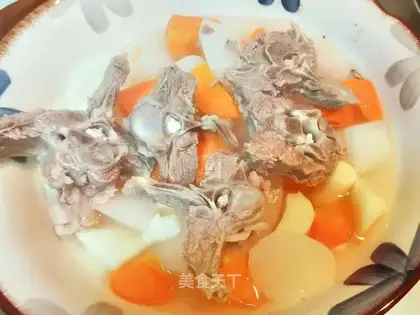
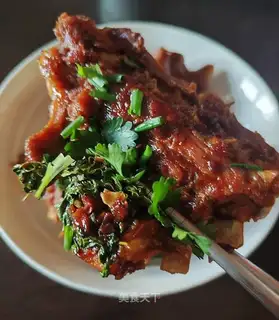
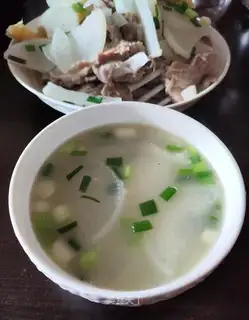
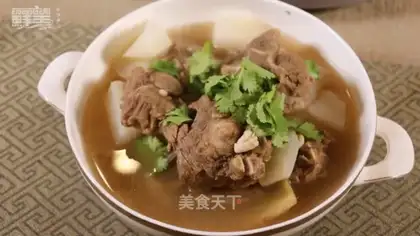
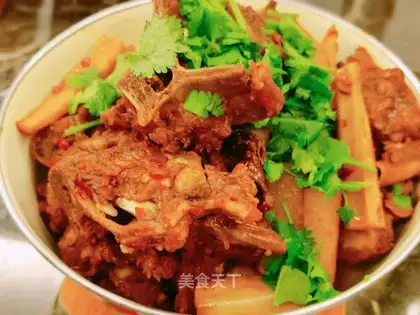
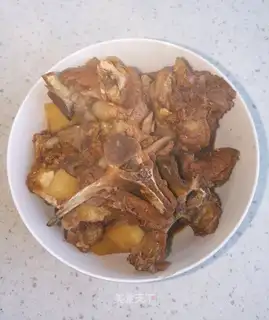
Lamb spine, commonly known as "yang xie zi" in Chinese, refers to the spine and attached meat of lamb, particularly the cervical and thoracic sections. This humble cut, often overlooked in Western cuisine but celebrated in traditional Chinese and Central Asian cooking, has gained global popularity for its rich flavor, tender texture, and impressive nutritional profile. Often slow-cooked into broths or stews, lamb spine is more than just a comfort food—it is a nutrient-dense ingredient offering a range of health benefits. However, like any rich food, it must be consumed mindfully to avoid potential risks. This article explores the nutritional value, health benefits, and precautions associated with lamb spine, providing a comprehensive guide for food enthusiasts and health-conscious individuals alike.
I. Nutritional Value of Lamb Spine
Lamb spine is a nutritional powerhouse, packed with high-quality protein, essential vitamins, and minerals that support overall health. Its nutritional composition varies slightly based on factors such as the lamb’s age, diet, and cooking method, but its core nutrients remain consistently beneficial.
1. High-Quality Protein
Protein is vital for building and repairing tissues, producing enzymes and hormones, and supporting immune function. Lamb spine is an excellent source of complete protein, containing all nine essential amino acids that the body cannot produce independently. A 100-gram serving of cooked lamb spine provides approximately 25–30 grams of protein, making it an ideal choice for athletes, growing children, and individuals recovering from illness. The collagen in the spine and cartilage also contributes to protein intake, which supports joint health and skin elasticity.
2. Rich in Essential Minerals
Lamb spine is particularly notable for its mineral content, which plays a critical role in various bodily functions:
- Iron: Lamb is one of the best dietary sources of heme iron, the type of iron most easily absorbed by the body. Iron is essential for producing hemoglobin, a protein in red blood cells that carries oxygen from the lungs to tissues. A 100-gram serving of lamb spine provides about 2.5–3 milligrams of iron, meeting roughly 15–20% of the daily recommended intake for adults. This makes it beneficial for individuals with iron deficiency anemia.
- Zinc: Zinc is crucial for immune function, wound healing, and DNA synthesis. Lamb spine is rich in zinc, with a 100-gram serving containing 4–5 milligrams (about 30–40% of the daily requirement). Zinc also supports male reproductive health and plays a role in taste and smell perception.
- Phosphorus: Abundant in lamb spine, phosphorus works with calcium to build strong bones and teeth. It also supports energy production and cell repair. A 100-gram serving provides around 200–250 milligrams of phosphorus, roughly 20–25% of the daily recommended intake.
- Selenium: This trace mineral acts as a powerful antioxidant, protecting cells from damage and supporting thyroid function. Lamb spine is a good source of selenium, with a 100-gram serving delivering 15–20 micrograms (about 25–30% of the daily requirement).
3. Vitamins and Healthy Fats
Lamb spine is also a source of key vitamins and fats:
- B Vitamins: It is rich in B vitamins, particularly vitamin B12, which is essential for nerve function and the production of red blood cells. A 100-gram serving provides about 2–3 micrograms of vitamin B12, exceeding the daily requirement for most adults. It also contains significant amounts of niacin (B3), riboflavin (B2), and pantothenic acid (B5), which help convert food into energy.
- Healthy Fats: While lamb is often perceived as high in fat, the fat in lamb spine is primarily monounsaturated and polyunsaturated fats, including omega-3 and omega-6 fatty acids. These fats support heart health, reduce inflammation, and aid in brain function. The marrow in the spine is particularly rich in healthy fats and fat-soluble vitamins (A, D, E, and K).
II. Health Benefits of Lamb Spine
The combination of protein, vitamins, minerals, and healthy fats in lamb spine contributes to a range of health benefits, from improved bone health to enhanced immunity.
1. Supports Bone and Joint Health
The collagen and chondroitin in lamb spine cartilage are beneficial for joint health. These compounds help maintain the integrity of cartilage, reducing the risk of osteoarthritis and alleviating joint pain. Additionally, the high phosphorus and calcium content strengthens bones, making it a valuable food for older adults at risk of osteoporosis and children in their developmental years.
2. Boosts Immune Function
Lamb spine’s rich zinc and vitamin B12 content makes it a natural immune booster. Zinc enhances the activity of immune cells, such as neutrophils and natural killer cells, while vitamin B12 supports the production of white blood cells. Regular consumption in moderation can help the body fight infections and recover from illnesses more quickly.
3. Enhances Muscle Mass and Recovery
For athletes and fitness enthusiasts, lamb spine is an excellent post-workout meal. The high-quality protein aids in muscle repair and growth, while the iron content ensures adequate oxygen delivery to muscles, reducing fatigue and improving performance. The amino acids in collagen also help reduce exercise-induced muscle soreness.
4. Improves Energy Levels
The B vitamins in lamb spine play a key role in energy metabolism. They help break down carbohydrates, fats, and proteins into usable energy, making it an ideal food for individuals with low energy levels or those with demanding lifestyles. Iron also prevents iron deficiency, a common cause of fatigue and weakness.
5. Promotes Skin and Hair Health
The collagen and amino acids in lamb spine support skin elasticity and hydration, reducing the appearance of wrinkles and promoting a youthful complexion. Zinc and vitamin B12 also contribute to healthy hair growth by repairing hair follicles and preventing hair loss.
III. Precautions and Potential Risks
While lamb spine offers numerous health benefits, it is important to consume it in moderation and take certain precautions to avoid adverse effects.
1. High in Cholesterol and Saturated Fat
Lamb spine contains significant amounts of cholesterol and saturated fat, which can raise blood cholesterol levels if consumed excessively. Individuals with heart disease, high cholesterol, or obesity should limit their intake to 1–2 times per week and opt for leaner cuts or remove visible fat before cooking.
2. Risk of Foodborne Illness
Undercooked lamb spine can harbor harmful bacteria such as E. coli, Salmonella, and Campylobacter. To minimize this risk, ensure the meat is cooked thoroughly, with an internal temperature of at least 70°C (160°F). Avoid cross-contamination by using separate cutting boards and utensils for raw and cooked meat.
3. Purine Content and Gout
Lamb spine is high in purines, natural compounds that break down into uric acid in the body. Excessive uric acid can lead to gout, a painful form of arthritis. Individuals with gout or a history of kidney stones should avoid lamb spine or consume it sparingly, as it may trigger flare-ups.
4. Sodium Concerns in Broths and Stews
When lamb spine is slow-cooked into broths or stews, the sodium content can increase significantly, especially if salt or soy sauce is added. People with high blood pressure or kidney disease should opt for low-sodium recipes and limit their intake of these dishes.
5. Allergic Reactions
While rare, some individuals may be allergic to lamb meat. Symptoms can include hives, swelling, digestive discomfort, or difficulty breathing. Those with a known lamb allergy should avoid lamb spine altogether.
IV. Cooking Tips and Serving Suggestions
To maximize the nutritional benefits of lamb spine while minimizing risks, consider the following cooking tips:
- Choose High-Quality Lamb: Opt for organic or grass-fed lamb when possible, as it tends to be lower in saturated fat and higher in omega-3 fatty acids.
- Remove Excess Fat: Trim visible fat from the spine before cooking to reduce calorie and saturated fat content.
- Slow Cooking: Slow-cooking methods such as stewing or braising help break down collagen, making the meat tender and easier to digest. Add vegetables like carrots, celery, and onions to enhance the nutritional value and flavor.
- Balanced Pairings: Serve lamb spine with fiber-rich foods such as whole grains, legumes, and leafy greens to balance the meal’s protein and fat content.
- Herbs and Spices: Use herbs like rosemary, thyme, and garlic to add flavor without relying on excessive salt or high-sodium sauces.
Conclusion
Lamb spine is a nutrient-dense ingredient that offers a wide range of health benefits, from supporting bone and joint health to boosting immunity and energy levels. Its high protein, mineral, and vitamin content makes it a valuable addition to a balanced diet, particularly for individuals with increased nutritional needs. However, due to its high cholesterol, saturated fat, and purine content, it should be consumed in moderation, especially by those with pre-existing health conditions. By choosing high-quality meat, cooking it properly, and pairing it with nutritious foods, lamb spine can be enjoyed as both a delicious culinary delight and a health-promoting food. Whether simmered in a hearty stew or grilled with aromatic spices, lamb spine is a testament to the idea that humble ingredients can offer extraordinary benefits when prepared and enjoyed mindfully.