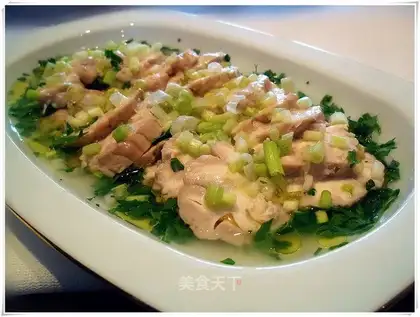
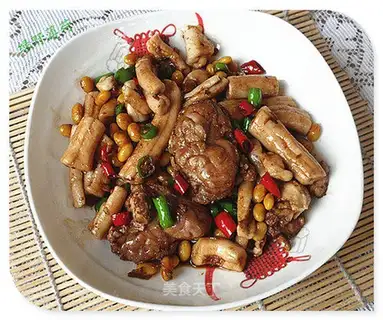
The human relationship with unusual foods is as old as civilization itself, driving us to explore every part of an animal for sustenance, flavor, and medicinal value. Among these, sheep brain (lamb or mutton brain) stands out as a delicacy in many cultures, prized for its rich, creamy texture and subtle, nutty flavor. Yet beyond its culinary appeal, sheep brain is a nutritional trove, packed with unique bioactive compounds that offer potential health benefits. However, its consumption is not without controversy, as it also carries risks that demand caution. This article delves into the nutritional profile, health benefits, and critical precautions associated with sheep brain, providing a comprehensive guide for those curious about this ancient yet polarizing ingredient.
Nutritional Profile: A Concentrated Source of Essential Nutrients
Sheep brain is a nutrient-dense food, meaning it provides a high amount of vitamins and minerals relative to its calorie content. A 100-gram serving of cooked sheep brain (approximately half a brain) contains roughly 140 calories, 11 grams of protein, and 9 grams of fat—mostly unsaturated fats like oleic acid (the same heart-healthy fat found in olive oil). What sets it apart, however, is its exceptional concentration of micronutrients and bioactive compounds.
Rich in Brain-Specific Nutrients
The brain is an organ rich in phospholipids, which are vital for cell membrane structure, nerve function, and cognitive health. Sheep brain is particularly high in phosphatidylserine (PS) and sphingomyelin, two phospholipids that play key roles in neurotransmitter signaling, memory formation, and mood regulation. For example, phosphatidylserine is known to support cognitive function by enhancing the communication between brain cells and reducing age-related cognitive decline.
It is also an outstanding source of vitamin B12 (cobalamin), a nutrient critical for nerve health, DNA synthesis, and red blood cell production. A single 100-gram serving of sheep brain can provide over 500% of the daily recommended intake of vitamin B12, making it a potent food for preventing deficiency-related conditions like anemia or neuropathy. Additionally, it contains significant amounts of vitamin A (in the form of retinol), which supports vision, immune function, and skin health, and vitamin E, a powerful antioxidant that protects cells from oxidative stress.
Essential Minerals and Trace Elements
Sheep brain is a powerhouse of minerals that are often lacking in modern diets. It is exceptionally high in copper, a mineral that aids in iron absorption, energy production, and the formation of collagen and connective tissue. A 100-gram serving provides over 100% of the daily recommended intake of copper. It is also rich in selenium, an antioxidant that supports thyroid function and protects against cellular damage, and zinc, which is essential for immune health, wound healing, and DNA synthesis.
Notably, sheep brain contains cholesterol—about 1,200 milligrams per 100-gram serving—far exceeding the American Heart Association’s recommended daily limit of 300 milligrams. However, recent research suggests that dietary cholesterol has a minimal impact on blood cholesterol levels for most people, as the body regulates its own cholesterol production. The bigger concern is the type of fat consumed: sheep brain’s saturated fat content (about 2 grams per 100 grams) is moderate, but its high unsaturated fat profile may mitigate some risks.
Health Benefits: From Cognitive Support to Traditional Medicine
For centuries, sheep brain has been used in traditional medicine systems like Ayurveda and Traditional Chinese Medicine (TCM) to treat conditions ranging from memory loss to nervous system disorders. Modern science is now beginning to validate some of these traditional uses, highlighting its potential role in promoting overall health.
Enhancing Cognitive Function and Brain Health
The most well-documented benefit of sheep brain is its potential to support cognitive health. Phosphatidylserine, abundant in sheep brain, has been extensively studied for its ability to improve memory, focus, and mental clarity. Research published in the Journal of Clinical Nutrition found that older adults who supplemented with phosphatidylserine showed significant improvements in cognitive performance, including better recall and faster information processing. Similarly, the omega-3 fatty acids (DHA and EPA) in sheep brain (though in smaller quantities than fish) are critical for brain development and function, reducing inflammation and protecting against neurodegenerative diseases like Alzheimer’s.
Supporting Nervous System Health
Sheep brain’s high vitamin B12 content makes it a valuable food for maintaining a healthy nervous system. Vitamin B12 is required for the production of myelin, the protective sheath that covers nerve fibers. Deficiency in B12 can lead to numbness, tingling, and even permanent nerve damage. For individuals at risk of B12 deficiency—such as vegetarians, vegans, or older adults—sheep brain can serve as a potent dietary source.
Boosting Energy and Metabolism
The B vitamins in sheep brain, including B6, B12, and riboflavin, play a key role in converting food into energy. They help metabolize carbohydrates, fats, and proteins, ensuring that the body’s cells have a steady supply of fuel. This makes sheep brain a potential food for combating fatigue and supporting an active lifestyle.
Traditional and Medicinal Uses
In TCM, sheep brain is believed to "nourish the brain" and calm the spirit. It is often prescribed for symptoms like insomnia, anxiety, and dizziness, which are thought to arise from "yin deficiency" in the brain. Similarly, in Middle Eastern and Mediterranean cultures, sheep brain is sometimes used as a remedy for headaches and to enhance vitality. While these traditional uses are not always backed by modern science, they reflect a long history of recognizing sheep brain’s unique properties.
Precautions and Risks: Who Should Avoid Sheep Brain?
Despite its nutritional benefits, sheep brain is not a food for everyone. Its high cholesterol and purine content, combined with potential contamination risks, mean that certain individuals should exercise caution or avoid it altogether.
High Cholesterol and Saturated Fat
While dietary cholesterol has less impact on blood cholesterol than once thought, sheep brain’s high saturated fat content (about 20% of its total fat) may raise LDL ("bad") cholesterol levels in people with hypercholesterolemia or a history of heart disease. The American Heart Association recommends limiting saturated fat to less than 10% of daily calories, meaning a single serving of sheep brain could exceed this limit for some individuals. Those with cardiovascular conditions should consult a healthcare provider before consuming it.
Purine Content and Gout Risk
Sheep brain is high in purines, natural compounds that break down into uric acid in the body. Excess uric acid can lead to gout, a painful form of arthritis characterized by joint inflammation. Individuals with a history of gout or high uric acid levels should avoid sheep brain, as it may trigger flare-ups.
Bovine Spongiform Encephalopathy (BSE) Concerns
One of the most significant risks associated with eating sheep brain is the potential exposure to transmissible spongiform encephalopathies (TSEs), such as scrapie in sheep or BSE (mad cow disease) in cattle. While scrapie is not known to infect humans, BSE can cause variant Creutzfeldt-Jakob disease (vCJD), a rare but fatal neurodegenerative disorder. To minimize risk, it is crucial to source sheep brain from reputable suppliers that follow strict safety standards, such as testing animals for TSEs and avoiding those from regions with a history of BSE.
Pregnancy and Vulnerable Populations
Pregnant women, young children, and individuals with compromised immune systems (such as those undergoing chemotherapy or living with HIV) should avoid sheep brain. These groups are more susceptible to foodborne illnesses, and the high cholesterol and purine content may pose additional risks.
Preparation and Safety
Proper preparation is essential to reduce the risk of foodborne illness. Sheep brain should be cooked thoroughly to kill harmful bacteria like Salmonella or E. coli. It is also important to clean the brain carefully, removing membranes and blood vessels that may harbor contaminants. In some cultures, sheep brain is eaten raw (e.g., in the Middle Eastern dish moussaka or as part of a tartare), but this is not recommended due to the risk of parasitic infections.
Cultural and Culinary Significance
Beyond its nutritional and medicinal properties, sheep brain holds a special place in global cuisine. In the Middle East, it is often fried or grilled and served with bread and spices, while in India, it is used in curries or as a filling for samosas. In France, cervelles de veau (though from veal, the preparation is similar) is a classic ingredient in dishes like cervelles en sauce, where the brain is braised in a rich wine-based sauce. In China, sheep brain is sometimes stir-fried with garlic and ginger or added to hot pot for its silky texture.
For many cultures, eating sheep brain is not just about nutrition—it is a way to honor the animal and minimize waste. Nose-to-tail eating, which involves using every part of an animal, is a cornerstone of sustainable food systems, and sheep brain is a prime example of this philosophy. Its unique texture—creamy and delicate when cooked properly—has made it a delicacy in both humble and high-end dining contexts.
Conclusion
Sheep brain is a food of paradoxes: it is both a nutritional powerhouse and a potential health risk, a culinary delicacy and a source of controversy. Its rich concentration of brain-boosting nutrients like phosphatidylserine, vitamin B12, and omega-3 fatty acids makes it a unique food for supporting cognitive and nervous system health. However, its high cholesterol, purine content, and potential for contamination mean that it must be consumed with caution, particularly by vulnerable populations.
For those interested in trying sheep brain, the key is moderation and sourcing: choose reputable suppliers, cook it thoroughly, and limit consumption to occasional servings. When prepared safely, sheep brain can be a delicious and nutritious addition to a balanced diet, offering a taste of both ancient culinary traditions and modern nutritional science. As we continue to explore the full potential of unusual foods, sheep brain stands as a reminder that the most nourishing foods are often those that challenge our preconceptions—provided we approach them with knowledge and respect.