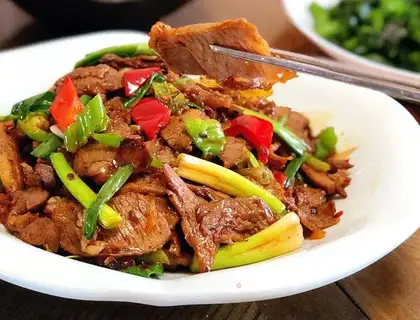
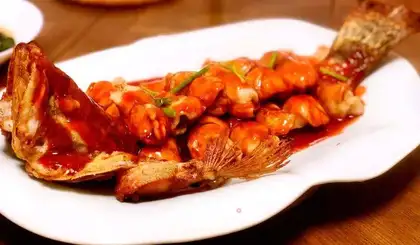
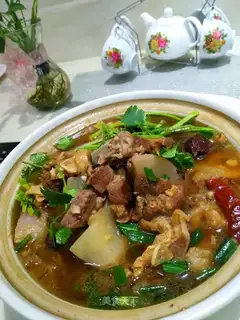
Lamb, a prized meat in cuisines worldwide, is celebrated for its rich flavor, tender texture, and impressive nutritional profile. Among the various cuts, lamb shoulder (also known as lamb front leg) stands out as a versatile and nutrient-dense option. Derived from the upper forelimb of the lamb, this cut contains a balanced mix of lean muscle and marbling, making it ideal for slow cooking, stewing, or roasting. Beyond its culinary appeal, lamb shoulder offers a wealth of health benefits, from supporting muscle growth to boosting immune function. However, like all foods, it must be consumed mindfully to avoid potential risks. This article explores the nutritional value, health benefits, and precautions associated with lamb shoulder meat, providing a comprehensive guide for health-conscious individuals and food enthusiasts alike.
I. Nutritional Value of Lamb Shoulder Meat
Lamb shoulder is a nutritional powerhouse, packed with high-quality protein, essential vitamins, and minerals that are vital for overall health. A 100-gram serving of cooked lamb shoulder (trimmed of visible fat) contains approximately:
1. High-Quality Protein
Protein is a macronutrient essential for building and repairing tissues, producing enzymes and hormones, and supporting immune function. Lamb shoulder is an excellent source of complete protein, meaning it contains all nine essential amino acids that the body cannot produce independently. With about 25-30 grams of protein per 100 grams, it rivals other lean meats like chicken breast and beef, making it a valuable choice for athletes, individuals recovering from illness, or those looking to increase their protein intake.
2. Rich in Vitamins
Lamb shoulder is particularly rich in B vitamins, which play a critical role in energy metabolism, brain function, and red blood cell production. Key vitamins include:
- Vitamin B12: Essential for nerve function and the formation of red blood cells. A 100-gram serving of lamb shoulder provides over 100% of the daily recommended intake of B12, making it one of the best dietary sources for this vitamin, especially important for vegetarians and vegans who may lack it from plant-based foods.
- Niacin (B3): Supports digestion, skin health, and converting food into energy.
- Riboflavin (B2): Aids in energy production and maintains healthy skin and eyes.
- Vitamin B6: Crucial for brain development and immune function.
Additionally, lamb shoulder contains small amounts of vitamin D, which is vital for bone health and immune regulation, though levels vary depending on the animal’s diet and sun exposure.
3. Abundant Minerals
Lamb shoulder is a standout source of highly bioavailable minerals, which are easily absorbed and utilized by the body:
- Iron: Unlike plant-based iron (non-heme), the iron in lamb (heme iron) is absorbed more efficiently, making it an excellent choice for preventing iron deficiency anemia. A 100-gram serving provides about 2.5–3 milligrams of iron, meeting 15–20% of the daily requirement for adults.
- Zinc: Essential for immune function, wound healing, and DNA synthesis. Lamb shoulder is one of the richest dietary sources of zinc, with a single serving providing 30–40% of the daily recommended intake.
- Selenium: A powerful antioxidant that protects cells from damage and supports thyroid function. Lamb grazing on grassy pastures tends to have higher selenium levels.
- Phosphorus: Works with calcium to build strong bones and teeth.
4. Healthy Fats
While lamb shoulder contains more fat than leaner cuts like lamb loin, it primarily consists of monounsaturated and polyunsaturated fats, including omega-3 fatty acids, which are beneficial for heart health. The fat also enhances flavor and tenderness, making it a preferred choice for slow-cooked dishes. However, trimming visible fat can reduce the overall calorie and saturated fat content.
II. Health Benefits of Lamb Shoulder Meat
The unique combination of nutrients in lamb shoulder contributes to a range of health benefits, from physical performance to chronic disease prevention.
1. Supports Muscle Growth and Repair
The high-quality protein in lamb shoulder provides the amino acids needed for muscle protein synthesis, making it an ideal food for athletes, older adults (to combat sarcopenia), and individuals recovering from surgery or injury. Leucine, an essential amino acid abundant in lamb, stimulates muscle growth and helps maintain muscle mass during weight loss or aging.
2. Boosts Immune Function
Lamb shoulder’s rich zinc and vitamin B6 content are critical for a healthy immune system. Zinc deficiency impairs immune cell function, increasing susceptibility to infections, while vitamin B6 supports the production of antibodies and cytokines. Regular consumption of lamb shoulder can help strengthen the body’s defenses, especially during cold and flu season.
3. Prevents Anemia
Iron deficiency anemia is a common global health issue, particularly among women and children. The heme iron in lamb shoulder is highly bioavailable, meaning the body absorbs it more efficiently than non-heme iron from plants. Pairing lamb shoulder with vitamin C-rich foods (such as bell peppers or citrus) further enhances iron absorption, making it an effective strategy to maintain healthy hemoglobin levels and prevent fatigue, weakness, and shortness of breath.
4. Promotes Brain Health
Vitamin B12, abundant in lamb shoulder, is essential for maintaining the myelin sheath that protects nerve fibers and supports cognitive function. Deficiency in B12 can lead to memory loss, confusion, and nerve damage. Additionally, omega-3 fatty acids (found in grass-fed lamb) have anti-inflammatory properties that may protect against age-related cognitive decline and neurodegenerative diseases like Alzheimer’s.
5. Supports Energy Production
The B vitamins in lamb shoulder play a key role in converting food into energy. Niacin, riboflavin, and B12 help metabolize carbohydrates, fats, and proteins, ensuring the body has a steady supply of fuel. This makes lamb shoulder an excellent choice for individuals with active lifestyles or those experiencing fatigue due to nutrient deficiencies.
6. Enhances Skin and Hair Health
Zinc and protein are vital for maintaining healthy skin and hair. Zinc supports collagen production and cell regeneration, while protein provides the building blocks for keratin, a protein that strengthens hair and nails. Regular consumption of lamb shoulder may help improve skin elasticity, reduce acne, and prevent hair loss.
III. Precautions and Considerations
While lamb shoulder offers numerous health benefits, it is important to consume it in moderation and take certain precautions to avoid potential health risks.
1. Moderation in Consumption
Lamb shoulder is higher in calories and saturated fat compared to leaner cuts like lamb loin or leg. Excessive intake of saturated fat can raise LDL (“bad”) cholesterol levels, increasing the risk of heart disease. Health organizations recommend limiting red meat consumption to 1–2 servings per week (each serving about 85–100 grams). Opting for leaner cuts, trimming visible fat, and grilling or baking instead of frying can reduce saturated fat intake.
2. Cooking Methods Matter
High-temperature cooking methods like grilling or charring lamb shoulder can produce harmful compounds such as heterocyclic amines (HCAs) and polycyclic aromatic hydrocarbons (PAHs), which are linked to cancer risk. To minimize these compounds:
- Marinate the meat in acidic solutions (e.g., lemon juice, vinegar) before cooking, as marinades can reduce HCA formation by up to 90%.
- Avoid overcooking; cook to medium-rare or medium (internal temperature 63–71°C) rather than well-done.
- Use indirect heat methods like roasting, stewing, or slow cooking instead of direct flame grilling.
3. Sodium Awareness
Processed lamb products (e.g., lamb sausages, cured lamb) are often high in sodium, which can contribute to high blood pressure and cardiovascular disease. Fresh lamb shoulder should be seasoned with herbs, spices, and citrus instead of salt. For those with hypertension, limiting processed lamb products and choosing fresh cuts is advisable.
4. Allergies and Sensitivities
While rare, some individuals may have allergies to lamb meat, experiencing symptoms like hives, digestive upset, or anaphylaxis. Cross-contamination with other meats (e.g., in butcher shops) can also trigger reactions in sensitive individuals. Those with known allergies should avoid lamb and opt for alternative protein sources.
5. Ethical and Environmental Considerations
For environmentally conscious consumers, the environmental impact of lamb production—particularly methane emissions from sheep—may be a concern. Choosing grass-fed, pasture-raised lamb from sustainable farms can reduce the carbon footprint and support animal welfare. Additionally, supporting local butchers and farmers’ markets can minimize transportation emissions.
6. Dietary Restrictions
Individuals following certain dietary patterns (e.g., vegan, vegetarian, or halal/kosher diets) may need to avoid lamb shoulder. For halal and kosher adherents, lamb must be slaughtered according to religious guidelines, and certified products should be sought. Vegetarians and vegans can obtain similar nutrients from plant-based sources like legumes, nuts, and fortified foods.
IV. Culinary Tips for Enjoying Lamb Shoulder
To maximize the nutritional benefits and flavor of lamb shoulder, consider the following cooking tips:
- Slow Cooking: Lamb shoulder’s marbling makes it perfect for slow cooking (e.g., braising or stewing), which breaks down connective tissues and results in tender, flavorful meat.
- Herbs and Spices: Use rosemary, garlic, thyme, and mint to enhance flavor without relying on excess salt. These herbs also add antioxidants.
- Pairing with Vegetables: Combine lamb shoulder with iron- and vitamin C-rich vegetables like spinach, bell peppers, and broccoli to create a balanced, nutrient-dense meal.
- Portion Control: Stick to recommended serving sizes (85–100 grams) to avoid overconsumption of calories and saturated fat.
Conclusion
Lamb shoulder meat is a nutrient-rich food that offers a wide range of health benefits, from supporting muscle growth and immune function to preventing anemia and promoting brain health. Its high protein content, abundance of vitamins and minerals, and healthy fats make it a valuable addition to a balanced diet. However, moderation, mindful cooking methods, and awareness of individual dietary needs are key to enjoying lamb shoulder safely and sustainably. By incorporating this versatile cut into meals while adhering to best practices, individuals can savor its flavor and reap its nutritional rewards as part of a healthy lifestyle.