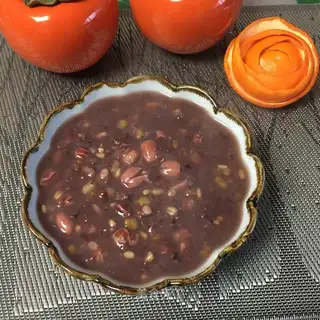
Introduction
In the realm of superfoods, few grains command as much attention as purple rice—often hailed as "forbidden rice" due to its historical use reserved for ancient Chinese emperors. This heirloom variety, scientifically known as Oryza sativa L., stands out for its striking deep purple hue, which derives from anthocyanins—powerful antioxidants responsible for its color and many health-promoting properties. Beyond its aesthetic appeal, purple rice has been a staple in traditional Asian medicine and cuisine for centuries, and modern science is now uncovering its full potential as a nutrient-dense functional food. This article explores the nutritional profile of purple rice, its evidence-based health benefits, and important precautions to maximize its safety and efficacy.
Nutritional Profile of Purple Rice
Purple rice is a whole grain, meaning it retains its bran, germ, and endosperm, making it nutritionally superior to refined grains like white rice. A 100-gram (cooked) serving of purple rice contains approximately:
- Calories: 150–160 kcal
- Carbohydrates: 34–36 grams (with 2–3 grams of fiber)
- Protein: 3–4 grams
- Fat: 1–2 grams (mostly unsaturated fats)
- Key Micronutrients: Iron (8% of Daily Value, DV), magnesium (15% DV), zinc (6% DV), and phosphorus (10% DV)
- Antioxidants: Anthocyanins (specifically cyanidin-3-glucoside), phenolic acids, and flavonoids
What truly sets purple rice apart is its anthocyanin content—studies show it contains 3–4 times more anthocyanins than brown or black rice, and up to 10 times more than white rice. These compounds act as potent antioxidants, neutralizing harmful free radicals and reducing oxidative stress, a key driver of chronic diseases. Additionally, purple rice is a good source of resistant starch, a type of fiber that resists digestion in the small intestine, promoting gut health and stabilizing blood sugar levels.
Health Benefits of Purple Rice
1. Antioxidant and Anti-Inflammatory Properties
The anthocyanins in purple rice are its most celebrated bioactive compounds. Research published in the Journal of Agricultural and Food Chemistry demonstrates that cyanidin-3-glucoside inhibits the activity of pro-inflammatory enzymes (such as COX-2) and reduces markers of inflammation like C-reactive protein (CRP). This makes purple rice a valuable dietary component for preventing chronic conditions linked to inflammation, including arthritis, cardiovascular disease, and certain cancers.
2. Cardiovascular Health Support
Regular consumption of purple rice may improve heart health in multiple ways. Its fiber content helps lower LDL ("bad") cholesterol by binding to bile acids in the gut and promoting their excretion. Anthocyanins, meanwhile, enhance endothelial function—the ability of blood vessels to relax and dilate—thereby improving blood flow and reducing hypertension risk. A 2020 study in Nutrients found that adults who consumed purple rice daily for 8 weeks experienced a 12% reduction in systolic blood pressure and an 8% decrease in LDL cholesterol compared to those eating white rice.
3. Blood Sugar Regulation and Diabetes Management
Purple rice’s low glycemic index (GI: 55) and high resistant starch content make it an excellent choice for individuals with diabetes or prediabetes. Resistant starch is fermented by gut bacteria into short-chain fatty acids (SCFAs), such as butyrate, which improve insulin sensitivity and reduce post-meal blood sugar spikes. A 2019 study in The American Journal of Clinical Nutrition reported that replacing white rice with purple rice in diabetic patients led to a 20% improvement in HbA1c levels (a long-term marker of blood sugar control).
4. Cancer Prevention Potential
Emerging research suggests purple rice may possess anti-cancer properties. Anthocyanins have been shown to induce apoptosis (programmed cell death) in cancer cells and inhibit tumor growth. For example, a 2018 study in Oxidative Medicine and Cellular Longevity found that cyanidin-3-glucoside suppressed the proliferation of colorectal cancer cells by modulating signaling pathways involved in cell cycle arrest. While human trials are limited, the antioxidant and anti-inflammatory effects of purple rice make it a promising adjunct to cancer prevention strategies.
5. Brain Health and Neuroprotection
The anthocyanins in purple rice may also protect against age-related cognitive decline. These compounds cross the blood-brain barrier and reduce oxidative stress in brain cells, potentially lowering the risk of neurodegenerative diseases like Alzheimer’s and Parkinson’s. A 2021 study in Nutrients demonstrated that elderly adults who consumed anthocyanin-rich rice (including purple rice) had better memory and executive function than those who did not.
6. Gut Health and Digestive Wellness
As a whole grain, purple rice is rich in both soluble and insoluble fiber. Soluble fiber feeds beneficial gut bacteria (such as Bifidobacterium and Lactobacillus), promoting a balanced microbiome, while insoluble fiber adds bulk to stool and prevents constipation. The resistant starch in purple rice further enhances gut health by increasing SCFA production, which reduces inflammation in the colon and supports the integrity of the intestinal lining.
Culinary Uses and Versatility
Purple rice is not only nutritious but also versatile in the kitchen. It has a nutty, slightly sweet flavor and a chewy texture, making it suitable for both sweet and savory dishes. Common culinary applications include:
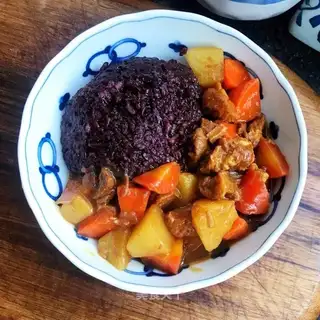
- Staple Dishes: Cooked and served as a side dish, similar to brown or white rice.
- Rice Bowls and Salads: Mixed with vegetables, proteins, and dressings for a nutrient-packed meal.
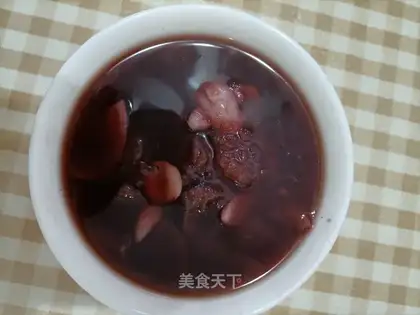
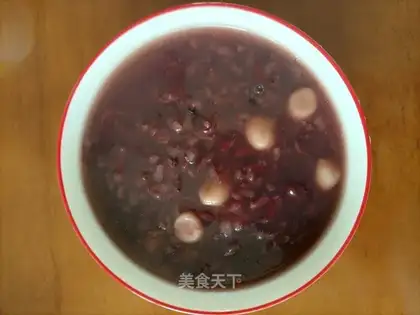
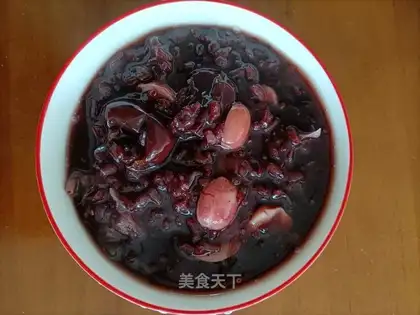
- Porridge and Puddings: Boiled with milk or water and sweetened with fruits or honey for a healthy breakfast or dessert.
- Baking: Ground into flour to make bread, muffins, or pancakes, adding color and nutrients to baked goods.
When cooking purple rice, it is typically soaked for 30 minutes to 1 hour to reduce cooking time (which takes 45–50 minutes). It can be cooked in a rice cooker, on the stovetop, or even using an Instant Pot. To enhance its nutritional profile, it can be combined with other grains like quinoa or barley.
Precautions and Potential Side Effects
While purple rice is generally safe for most people, certain precautions should be considered to avoid adverse effects:
1. Arsenic Contamination
Like all rice varieties, purple rice may contain arsenic, a toxic metal absorbed from soil and water. Arsenic exposure is linked to skin lesions, cardiovascular disease, and an increased risk of cancer. To minimize risk:
- Choose organic purple rice, which is less likely to be grown with arsenic-contaminated fertilizers.
- Rinse rice thoroughly before cooking and use a 6:1 water-to-rice ratio (draining excess water after cooking) to reduce arsenic levels by up to 40%.
- Limit consumption to 3–4 times per week, especially for pregnant women, children, and individuals with arsenic sensitivity.
2. Phytate Content
Purple rice contains phytates, compounds that can bind to minerals (iron, zinc, calcium) and reduce their absorption. While phytates also have antioxidant benefits, excessive intake may impair mineral status, particularly in those with deficiencies. To mitigate this:
- Soak or sprout purple rice before cooking to reduce phytate levels by 30–50%.
- Pair it with vitamin C-rich foods (e.g., bell peppers, citrus fruits) to enhance non-heme iron absorption.
3. Blood Sugar Considerations for Diabetics
Although purple rice has a low GI, portion control is still important for diabetics. A serving size of ½ cup (cooked) is recommended to avoid blood sugar fluctuations.
4. Allergic Reactions
While rare, some individuals may have a rice allergy, which can cause symptoms like itching, swelling, or digestive distress. Those with known rice allergies should avoid purple rice.
5. Medication Interactions
Purple rice’s high fiber content may interfere with the absorption of certain medications (e.g., thyroid hormones, antibiotics). Individuals taking such medications should consult a healthcare provider and separate purple rice consumption from medication intake by at least 2–3 hours.
Conclusion
Purple rice is a nutritional powerhouse that offers a unique combination of antioxidants, fiber, and essential micronutrients. Its health benefits—from reducing inflammation and improving heart health to supporting blood sugar control and brain function—make it a valuable addition to a balanced diet. While precautions like arsenic management and phytate reduction are important, these can be easily addressed with proper preparation and moderation.
As research continues to uncover its potential, purple rice is emerging not just as a "forbidden" delicacy of the past, but as a modern superfood accessible to all. Whether enjoyed as a hearty side dish, a creamy porridge, or a creative baked good, purple rice invites us to savor both its vibrant flavor and its profound health-promoting properties. By incorporating this ancient grain into our meals, we honor its legacy while investing in our long-term well-being.