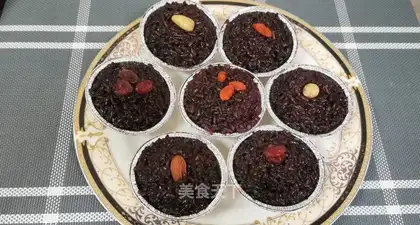
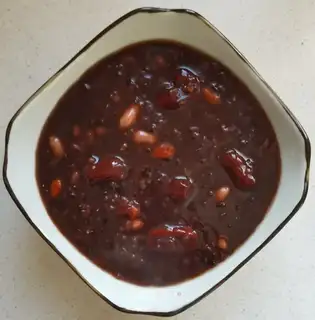
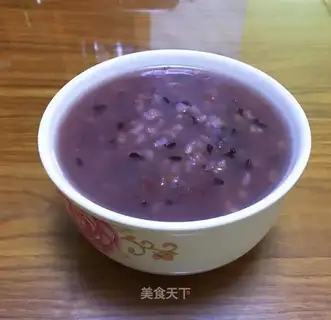
Black rice, often referred to as "forbidden rice" in ancient China due to its exclusive consumption by royalty, has transcended its historical mystique to become a global superfood. This dark, nutrient-dense grain, scientifically known as Oryza sativa L., var. sativa, stands out for its striking color, rich flavor, and exceptional health-promoting properties. Unlike white or brown rice, black rice is packed with anthocyanins—antioxidants responsible for its deep purple hue—along with vitamins, minerals, and fiber. This article explores the nutritional profile of black rice, its diverse health benefits, and important considerations for safe consumption, highlighting why it deserves a place in a balanced diet.
Nutritional Profile: A Treasure Trove of Essential Nutrients
Black rice’s nutritional value lies in its unique composition, which sets it apart from other rice varieties. A 100-gram serving of cooked black rice contains approximately:
- Calories: 130–150 kcal
- Protein: 3–4 grams (including essential amino acids like lysine)
- Dietary Fiber: 2–3 grams (significantly higher than white rice)
- Carbohydrates: 26–28 grams (complex carbs for sustained energy)
- Fat: 0.5–1 gram (mostly unsaturated fats)
What truly distinguishes black rice is its phytochemical content. The deep purple color comes from anthocyanins, particularly cyanidin-3-glucoside, a potent antioxidant that combats oxidative stress. Additionally, black rice is a good source of:
- Iron: 1.5–2 mg per serving (about 10–15% of the daily recommended intake), crucial for hemoglobin production and oxygen transport.
- Zinc: 1–2 mg, supporting immune function and wound healing.
- Vitamin E: A fat-soluble antioxidant that protects cells from damage.
- B Vitamins: Including thiamin (B1) and riboflavin (B2), which aid energy metabolism.
- Minerals: Magnesium, phosphorus, and manganese, essential for bone health and enzyme activation.
Unlike refined white rice, which loses most of its nutrients during milling, black rice retains its bran and germ, preserving its fiber and micronutrient content. This makes it a whole-grain powerhouse that aligns with modern dietary recommendations for unprocessed, nutrient-rich foods.
Health Benefits: From Disease Prevention to Wellness Enhancement
The combination of antioxidants, fiber, and micronutrients in black rice confers a range of health benefits, backed by scientific research.
1. Antioxidant and Anti-Inflammatory Properties
Anthocyanins in black rice are the primary drivers of its antioxidant activity. These compounds neutralize free radicals—unstable molecules that cause cellular damage and contribute to chronic diseases like cancer, diabetes, and cardiovascular disease. A 2010 study in the Journal of Agricultural and Food Chemistry found that black rice bran extract had higher antioxidant activity than blueberries, a well-known superfood. By reducing oxidative stress, black rice may help lower inflammation, a key factor in aging and chronic illnesses.
2. Heart Health Support
Black rice promotes cardiovascular health in multiple ways. Its fiber content helps lower LDL ("bad") cholesterol by binding to bile acids in the digestive system, reducing their reabsorption. Anthocyanins also improve blood vessel function by enhancing nitric oxide production, which relaxes arteries and lowers blood pressure. A 2021 study in Nutrients linked regular whole-grain consumption (including black rice) to a 22% lower risk of heart disease, attributed to improved lipid profiles and reduced inflammation.
3. Blood Sugar Regulation
For individuals with diabetes or those at risk, black rice is a smart carbohydrate choice. Its low glycemic index (GI) of 55 (compared to 70 for white rice) means it digests slowly, preventing rapid spikes in blood sugar. The fiber and anthocyanins further enhance insulin sensitivity, helping cells use glucose more efficiently. A 2019 study in The American Journal of Clinical Nutrition found that replacing white rice with black rice improved glycemic control in type 2 diabetics, reducing HbA1c levels (a long-term blood sugar marker) by 10–15%.
4. Cancer Prevention Potential
While no food can "cure" cancer, black rice’s bioactive compounds may reduce cancer risk. Anthocyanins inhibit the growth of cancer cells by inducing apoptosis (programmed cell death) and blocking tumor angiogenesis (the formation of new blood vessels that feed tumors). Research in Molecular Nutrition & Food Research showed that cyanidin-3-glucoside suppressed the proliferation of colon and breast cancer cells in vitro. Additionally, black rice’s fiber promotes gut health by reducing exposure to carcinogens and supporting beneficial gut bacteria.
5. Enhanced Immune Function
The zinc and vitamin E in black rice play critical roles in immune health. Zinc is essential for the development and function of immune cells, while vitamin E protects immune cells from oxidative damage. Anthocyanins also modulate immune responses, reducing chronic inflammation that can weaken immunity. A 2022 study in Frontiers in Immunology highlighted that anthocyanins enhance the activity of natural killer (NK) cells, which target viruses and tumor cells.
6. Brain Health and Longevity
The antioxidants in black rice may protect the brain from age-related decline. Oxidative stress and inflammation are linked to neurodegenerative diseases like Alzheimer’s and Parkinson’s. By neutralizing free radicals, black rice’s anthocyanins preserve neuronal function and improve cognitive performance. Animal studies have shown that black rice extract improves memory and reduces amyloid-beta plaques (a hallmark of Alzheimer’s) in the brain.
7. Skin and Hair Benefits
Vitamin E and anthocyanins in black rice promote skin health by combating UV-induced damage and reducing signs of aging. These antioxidants boost collagen production, keeping skin firm and elastic. For hair, the iron content prevents anemia-related hair loss, while zinc supports follicle health. Black rice bran oil, rich in vitamin E and phytosterols, is also used in skincare products for its moisturizing and anti-inflammatory properties.
食用禁忌 (Precautions and Potential Side Effects)
While black rice is highly nutritious, certain groups should consume it in moderation or with caution:
1. High Phytate Content
Black rice, like other whole grains, contains phytates—compounds that bind to minerals like iron, zinc, and calcium, reducing their absorption. Individuals with mineral deficiencies (e.g., anemia) should soak black rice overnight before cooking to reduce phytate levels by 30–50%. Pairing it with vitamin C-rich foods (e.g., bell peppers, citrus) also enhances mineral absorption.
2. Arsenic Contamination Risk
Rice, especially brown and black rice, can accumulate arsenic from soil and water. Long-term exposure to inorganic arsenic increases the risk of skin cancer, cardiovascular disease, and developmental issues in children. To minimize risk:
- Choose black rice from regions with low arsenic levels (e.g., Thailand, India).
- Rinse rice thoroughly before cooking and use a high water-to-rice ratio (e.g., 6:1) to reduce arsenic by 40–60%.
- Limit consumption to 2–3 servings per week, avoiding daily intake.
3. Blood Sugar Considerations for Diabetics
While black rice has a low GI, portion control is still important. Overconsumption can lead to blood sugar spikes due to its carbohydrate content. Diabetics should work with a dietitian to determine appropriate serving sizes (typically ½ cup cooked) and monitor blood sugar responses.
4. Digestive Issues
The high fiber in black rice may cause bloating, gas, or diarrhea in individuals sensitive to fiber or those with irritable bowel syndrome (IBS). Starting with small portions (¼ cup cooked) and gradually increasing intake allows the gut to adapt. Cooking rice thoroughly also aids digestion.
5. Allergies
Though rare, rice allergies can cause symptoms like itching, hives, or anaphylaxis. Individuals with known rice allergies should avoid black rice. Cross-reactivity with other grains (e.g., wheat) is uncommon but possible in sensitive individuals.
6. Medication Interactions
Black rice’s vitamin K content may interact with blood thinners like warfarin, which work by inhibiting vitamin K-dependent clotting factors. Consistent intake of vitamin K-rich foods is advised for patients on anticoagulants to avoid dosage fluctuations.
Incorporating Black Rice into a Balanced Diet
Black rice is versatile and can be used in both sweet and savory dishes:
- Breakfast: Cooked black rice topped with fresh berries, nuts, and a drizzle of honey for a nutrient-rich start.
- Lunch/Dinner: Mix with black beans, corn, and avocado for a hearty salad, or use as a base for grain bowls with grilled vegetables and lean protein.
- Desserts: Black rice pudding made with coconut milk and spices (e.g., cinnamon, cardamom) for a healthy treat.
- Baking: Substitute 20–30% of white flour with black rice flour in bread or muffins for added nutrients and color.
For optimal nutrition, combine black rice with a variety of vegetables, legumes, and healthy fats to create a balanced meal.
Conclusion
Black rice is more than just a visually striking grain—it is a nutritional powerhouse that offers a wide range of health benefits, from reducing chronic disease risk to supporting immune function and brain health. Its high antioxidant content, fiber, and essential minerals make it a superior alternative to refined grains, while its versatility allows for endless culinary possibilities. However, mindful consumption is key: soaking to reduce phytates, limiting intake to minimize arsenic exposure, and practicing portion control for sensitive individuals ensure its benefits are maximized without adverse effects.
As research continues to uncover the therapeutic potential of black rice, it is clear that this ancient "forbidden" grain has earned its place as a modern superfood. By incorporating black rice into a balanced diet, individuals can harness its nutritional power to promote long-term health and vitality.