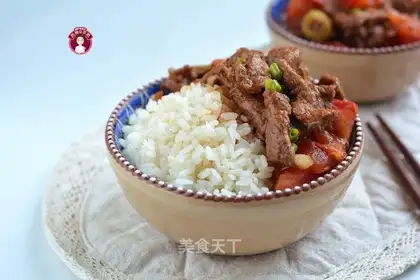
Rice, a staple food for over half of the world’s population, has long been refined into white rice to improve shelf life and texture. However, with the growing focus on holistic nutrition, brown rice—specifically germ rice or brown rice with germ—has emerged as a nutritional champion. Unlike polished white rice, germ rice retains the bran, germ, and endosperm, preserving a wealth of vitamins, minerals, antioxidants, and dietary fiber. This article explores the nutritional value of germ rice, its health benefits, and important considerations for consumption, highlighting why it is a superior choice for modern diets.
I. Nutritional Value of Germ Rice: A Concentrate of Essential Nutrients
Germ rice, often referred to as “unpolished rice” or “brown rice,” is the whole grain rice with only the outermost hull removed. The bran layer (rich in fiber and B vitamins) and the germ (the embryo of the plant, packed with nutrients) remain intact, making it a nutritional powerhouse compared to its refined counterpart, white rice.
1. Abundant in B Vitamins
The germ and bran of rice are the primary sources of B vitamins, which play a critical role in energy metabolism and nervous system function. Notably, germ rice is high in:
- Thiamine (Vitamin B1): Essential for converting carbohydrates into energy and supporting nerve health. A deficiency in thiamine can lead to beriberi, a condition characterized by muscle weakness and nerve damage.
- Niacin (Vitamin B3): Important for DNA repair, skin health, and energy production.
- Vitamin B6: Crucial for brain development, immune function, and the synthesis of neurotransmitters like serotonin.
- Folic Acid (Vitamin B9): Vital for cell division and DNA synthesis, making it particularly important during pregnancy for fetal development.
White rice, by contrast, loses 80–90% of these B vitamins during the polishing process, as they are concentrated in the bran and germ.
2. Minerals for Bone and Immune Health
Germ rice is a rich source of essential minerals that are often lacking in refined grains:
- Magnesium: A key mineral for over 300 biochemical reactions in the body, including muscle and nerve function, blood sugar control, and bone health. Just one cup of cooked germ rice provides about 21% of the daily recommended magnesium intake, compared to only 6% in white rice.
- Zinc: Critical for immune function, wound healing, and DNA synthesis. Zinc deficiency can weaken the immune system and slow growth in children.
- Selenium: A powerful antioxidant that protects cells from damage and supports thyroid function. Germ rice, especially when grown in selenium-rich soil, can be a significant source of this mineral.
- Iron: Essential for the production of hemoglobin, which carries oxygen in the blood. Germ rice contains non-heme iron, which is better absorbed when consumed with vitamin C-rich foods.
3. Dietary Fiber and Antioxidants
The bran layer of germ rice is rich in dietary fiber, including both soluble and insoluble fiber. Soluble fiber (such as beta-glucan) helps lower cholesterol and regulate blood sugar, while insoluble fiber promotes digestive health by preventing constipation and supporting a healthy gut microbiome.
Additionally, germ rice is loaded with antioxidants, including phenolic compounds, flavonoids, and gamma-oryzanol. These compounds combat oxidative stress, reduce inflammation, and may lower the risk of chronic diseases. Gamma-oryzanol, for example, has been shown to lower LDL (“bad”) cholesterol and protect against cellular damage.
4. Protein and Healthy Fats
While rice is not a complete protein (lacking sufficient lysine), germ rice contains more protein than white rice, with the germ alone providing all essential amino acids. The germ also contains healthy fats, including omega-3 and omega-6 fatty acids, which are important for brain health and reducing inflammation.
II. Health Benefits of Consuming Germ Rice
The impressive nutritional profile of germ rice translates to numerous health benefits, making it a valuable addition to a balanced diet.
1. Supports Weight Management
Germ rice’s high fiber content promotes satiety, helping individuals feel fuller for longer and reducing overall calorie intake. A study published in the American Journal of Clinical Nutrition found that people who consumed whole grains like brown rice had a lower body mass index (BMI) and reduced risk of obesity compared to those who ate refined grains. Additionally, the complex carbohydrates in germ rice are digested slowly, preventing spikes in blood sugar and subsequent cravings.
2. Regulates Blood Sugar and Reduces Diabetes Risk
The fiber and magnesium in germ rice work together to improve insulin sensitivity and regulate blood sugar levels. Soluble fiber slows the absorption of sugar in the bloodstream, while magnesium enhances insulin’s ability to transport glucose into cells. A 2010 study in Archives of Internal Medicine showed that individuals who consumed at least two servings of whole grains per day had a 21% lower risk of developing type 2 diabetes than those who ate minimal whole grains.
3. Promotes Heart Health
Germ rice’s combination of fiber, magnesium, and antioxidants makes it heart-healthy. Soluble fiber helps lower LDL cholesterol, while magnesium supports healthy blood pressure by relaxing blood vessels. Gamma-oryzanol, found in the germ, has been shown to reduce cholesterol absorption and inhibit the formation of arterial plaques. A Harvard School of Public Health study linked regular whole-grain consumption to a 22% lower risk of heart disease.
4. Enhances Digestive Health
The insoluble fiber in germ rice adds bulk to stool and promotes regular bowel movements, preventing constipation and reducing the risk of diverticulitis (a condition characterized by inflamed pouches in the colon). Additionally, fiber acts as a prebiotic, feeding beneficial gut bacteria and supporting a healthy microbiome. A healthy gut microbiome is linked to improved immunity, mental health, and even reduced risk of colorectal cancer.
5. Boosts Energy and Reduces Fatigue
Thanks to its high B vitamin content, germ rice plays a key role in energy metabolism. Thiamine, niacin, and B6 help convert carbohydrates, fats, and proteins into usable energy, reducing fatigue and improving overall vitality. Unlike white rice, which can cause energy crashes due to its refined carbohydrates, germ rice provides sustained energy release, making it an ideal choice for athletes and active individuals.
6. Supports Brain Health and Cognitive Function
The B vitamins, magnesium, and antioxidants in germ rice are essential for brain health. Folic acid and B12 help reduce homocysteine levels, an amino acid linked to cognitive decline and Alzheimer’s disease. Magnesium supports synaptic plasticity, the brain’s ability to form and strengthen connections, while antioxidants protect brain cells from oxidative damage. A study in The Journal of Nutrition found that older adults who consumed whole grains had better memory and cognitive function than those who ate refined grains.
7. May Reduce the Risk of Chronic Diseases
Regular consumption of germ rice has been associated with a lower risk of several chronic diseases, including:
- Cancer: The antioxidants and fiber in germ rice help protect cells from DNA damage and reduce inflammation, both of which are risk factors for cancer. Studies suggest that whole grains may lower the risk of colorectal, breast, and pancreatic cancer.
- Osteoporosis: Magnesium and calcium in germ rice support bone density, reducing the risk of osteoporosis, a condition characterized by weak and brittle bones.
- Metabolic Syndrome: The fiber and nutrients in germ rice improve insulin sensitivity, blood pressure, and cholesterol levels, helping to prevent metabolic syndrome—a cluster of conditions that increase the risk of heart disease, diabetes, and stroke.
III. Precautions and Considerations for Consuming Germ Rice
While germ rice offers numerous health benefits, there are some precautions to keep in mind to maximize its benefits and avoid potential side effects.
1. Phytic Acid and Mineral Absorption
Germ rice contains phytic acid, an antinutrient that can bind to minerals like iron, zinc, and calcium, reducing their absorption. However, this can be mitigated through simple preparation methods:
- Soaking: Soaking germ rice in water for several hours (or overnight) before cooking reduces phytic acid content.
- Fermentation: Fermenting rice (e.g., making sourdough brown rice bread) further breaks down phytic acid.
- Sprouting: Germinating rice (to make germinated brown rice or “GABA rice”) increases nutrient bioavailability and reduces phytic acid.
2. Arsenic Content
Rice, especially brown rice, can contain higher levels of inorganic arsenic than other grains, as rice plants absorb arsenic from soil and water. Arsenic exposure is linked to an increased risk of cancer, cardiovascular disease, and developmental issues in children. To reduce arsenic intake:
- Rinse Thoroughly: Rinse rice before cooking to remove surface arsenic.
- Use More Water: Cook rice with a higher ratio of water (e.g., 6:1 water-to-rice) and drain excess water after cooking, as arsenic is water-soluble.
- Vary Grains: Limit rice consumption and alternate with other whole grains like quinoa, barley, or oats.
3. Digestive Discomfort
The high fiber content in germ rice may cause digestive issues such as bloating, gas, or diarrhea in individuals not accustomed to whole grains. To avoid this:
- Start Slow: Begin with small portions (e.g., ¼ cup cooked germ rice) and gradually increase intake.
- Chew Well: Chewing thoroughly helps break down fiber and makes digestion easier.
- Stay Hydrated: Drink plenty of water to help fiber move through the digestive system.
4. Blood Sugar Concerns for Diabetics
While germ rice helps regulate blood sugar, individuals with diabetes should still monitor their portions. The carbohydrates in germ rice can raise blood sugar if consumed in excess. Pairing germ rice with protein, healthy fats, and non-starchy vegetables can further stabilize blood sugar levels.
5. Pesticide Residues
Conventionally grown rice may contain pesticide residues, which can pose health risks. Choosing organic germ rice reduces exposure to synthetic pesticides and ensures a cleaner product.
IV. Conclusion: Embracing Germ Rice for a Healthier Future
In a world where processed and refined foods dominate, germ rice stands out as a nutrient-dense, versatile, and affordable staple. Its rich content of B vitamins, minerals, fiber, and antioxidants supports weight management, heart health, blood sugar regulation, and digestive function, while reducing the risk of chronic diseases. By addressing potential concerns like phytic acid and arsenic through proper preparation, individuals can unlock the full potential of germ rice and incorporate it into a balanced diet.
As research continues to highlight the benefits of whole grains, germ rice is no longer just a “health food” but a practical choice for anyone seeking to improve their well-being. Whether used in stir-fries, salads, or as a side dish, germ rice offers a delicious and nutritious alternative to white rice, proving that sometimes, the most unassuming foods are the most powerful. By choosing germ rice, we not only nourish our bodies but also support sustainable agriculture and a healthier planet.
In the words of renowned nutritionist Paul Pitchford, “Whole foods are the foundation of a healing diet.” Germ rice, with its intact bran and germ, is a perfect example of this principle—reminding us that true nutrition lies in the wholeness of nature’s gifts.