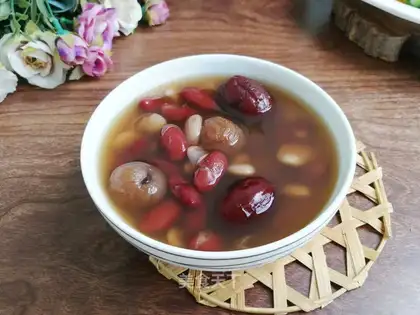
Red kidney beans, scientifically known as Phaseolus vulgaris, are a staple in cuisines worldwide, from hearty chili in the Americas to curries in India and stews in the Mediterranean. These vibrant, kidney-shaped legumes are not only versatile and affordable but also packed with essential nutrients that support overall health. However, their consumption requires careful preparation to avoid potential risks. This article explores the nutritional profile of red kidney beans, their health benefits, and important precautions for safe consumption.
I. Nutritional Profile of Red Kidney Beans
Red kidney beans are a nutritional powerhouse, offering a dense concentration of macronutrients, vitamins, minerals, and plant compounds. A 100-gram serving of cooked red kidney beans (without salt) provides approximately:
1. Macronutrients
- Protein: Around 9 grams, making them an excellent plant-based protein source. This is particularly valuable for vegetarians and vegans, as beans contain all essential amino acids (though they are slightly lower in methionine than animal proteins).
- Dietary Fiber: Approximately 7 grams, including both soluble and insoluble fiber. Fiber aids digestion, promotes satiety, and helps regulate blood sugar levels.
- Carbohydrates: About 22 grams, mostly complex carbohydrates that release energy slowly, preventing blood sugar spikes.
- Fat: Less than 0.5 grams per serving, making them a low-fat, heart-healthy choice.
2. Vitamins
- Folate (Vitamin B9): Around 115 micrograms (29% of the Daily Value, DV). Folate is critical for DNA synthesis, cell division, and fetal development, reducing the risk of neural tube defects during pregnancy.
- Vitamin K: Approximately 11 micrograms (9% DV), essential for blood clotting and bone health.
- Thiamine (Vitamin B1): Roughly 0.1 milligrams (8% DV), which supports energy metabolism and nervous system function.
- Vitamin B6: Small but significant amounts, aiding in protein metabolism and red blood cell production.
3. Minerals
- Iron: Approximately 2.9 milligrams (16% DV). Plant-based iron (non-heme) is less easily absorbed than heme iron (from animal products), but pairing beans with vitamin C (e.g., tomatoes, bell peppers) enhances absorption. Iron is vital for oxygen transport and preventing anemia.
- Potassium: Around 280 milligrams (6% DV), which helps regulate blood pressure, fluid balance, and muscle function.
- Magnesium: Roughly 40 milligrams (10% DV), involved in over 300 biochemical reactions, including muscle and nerve function, blood sugar control, and bone health.
- Zinc: Approximately 1 milligram (9% DV), supporting immune function, wound healing, and DNA synthesis.
- Manganese: A trace mineral present in beans, acting as a cofactor for enzymes involved in metabolism and antioxidant defense.
4. Plant Compounds
Red kidney beans are rich in bioactive compounds with antioxidant and anti-inflammatory properties:
- Anthocyanins: The red pigment in kidney beans is a type of flavonoid that fights oxidative stress, reducing the risk of chronic diseases.
- Phytosterols: Plant compounds that lower cholesterol absorption, supporting heart health.
- Tannins and Saponins: Antinutrients that, in moderate amounts, may have antioxidant effects but require proper preparation to minimize interference with nutrient absorption.
II. Health Benefits of Red Kidney Beans
The unique nutritional composition of red kidney beans translates to numerous health benefits, making them a valuable addition to a balanced diet.
1. Supports Heart Health
- Lowers Cholesterol: Soluble fiber in beans binds to cholesterol in the digestive system, preventing its absorption into the bloodstream. Studies show that consuming 5–10 grams of soluble fiber daily can reduce LDL (“bad”) cholesterol by 3–5%.
- Regulates Blood Pressure: Potassium and magnesium counteract the effects of sodium, helping to relax blood vessels and lower blood pressure. A diet rich in legumes is associated with a 20% lower risk of cardiovascular disease.
- Reduces Inflammation: Anthocyanins and other antioxidants reduce inflammation, a key driver of atherosclerosis (hardening of the arteries).
2. Promotes Digestive Health
- Prevents Constipation: Insoluble fiber adds bulk to stool, while soluble fiber feeds beneficial gut bacteria. This combination promotes regular bowel movements and prevents diverticulitis.
- Supports Gut Microbiota: Beans are rich in resistant starch, a prebiotic that feeds Bifidobacteria and Lactobacillus, probiotics that enhance gut barrier function and reduce inflammation. A healthy gut microbiome is linked to improved immunity and mood.
3. Aids in Weight Management
- Increases Satiety: Protein and fiber slow gastric emptying, keeping you full longer and reducing overall calorie intake. Research shows that bean consumption is associated with lower body weight and a reduced risk of obesity.
- Stabilizes Blood Sugar: Complex carbohydrates and fiber prevent rapid spikes in blood sugar, reducing cravings for unhealthy snacks. This is particularly beneficial for individuals with type 2 diabetes or insulin resistance.
4. Enhances Blood Sugar Control
- Improves Insulin Sensitivity: The fiber and protein in beans slow carbohydrate absorption, preventing post-meal blood sugar spikes. A study published in Archives of Internal Medicine found that consuming beans daily improved glycemic control in individuals with type 2 diabetes.
- Reduces Diabetes Risk: Regular legume intake is linked to a 33% lower risk of developing type 2 diabetes, according to a meta-analysis of 10 studies.
5. Boosts Immune Function
- Provides Zinc and Iron: Zinc is crucial for immune cell development, while iron supports oxygen transport to immune cells. Deficiencies in these minerals weaken the body’s ability to fight infections.
- Antioxidant Defense: Anthocyanins and vitamin C neutralize free radicals, reducing oxidative stress that can damage immune cells.
6. Supports Pregnancy and Fetal Development
- Folate-Rich: Folate is vital for preventing neural tube defects in developing fetuses. The CDC recommends that women of childbearing age consume 400–800 micrograms of folate daily, and beans are an excellent natural source.
- Iron and Protein: During pregnancy, blood volume increases by 50%, raising iron needs. Beans provide plant-based iron to support maternal and fetal oxygen supply, while protein supports fetal tissue growth.
III. Precautions and Potential Risks
While red kidney beans are highly nutritious, improper preparation can lead to adverse effects. The most significant risk is toxicity from raw or undercooked beans.
1. Lectin Poisoning: A Critical Danger
Raw red kidney beans contain high levels of lectins, particularly phytohemagglutinin, a toxin that can cause severe gastrointestinal distress. Symptoms of lectin poisoning include nausea, vomiting, diarrhea, and abdominal pain, typically within 1–3 hours of consumption. In severe cases, it may lead to dehydration or hospitalization.
- Prevention: Lectins are destroyed by heat. To safely prepare red kidney beans:
- Soak: Soak dried beans in water for at least 8 hours (or overnight) to reduce cooking time and dissolve some antinutrients.
- Boil: Boak soaked beans in fresh water for at least 10 minutes before simmering. Do not add salt or acidic ingredients (e.g., tomatoes, vinegar) during the initial boiling, as they can harden the beans and reduce heat penetration.
- Cook Thoroughly: Simmer beans for 1–2 hours until tender. Canned beans are pre-cooked and safe to eat but should be rinsed to reduce sodium.
2. Antinutrients
Beans contain antinutrients like phytates and tannins, which can inhibit the absorption of minerals (e.g., iron, zinc, calcium). While these compounds have antioxidant benefits, excessive intake may reduce nutrient bioavailability.
- Mitigation: Soaking, sprouting, and cooking reduce antinutrient levels by 50–90%. For example, sprouting beans increases vitamin C content, which enhances iron absorption.
3. Digestive Discomfort
Even properly cooked beans can cause gas, bloating, or flatulence in some individuals due to their high fiber and oligosaccharide content (e.g., raffinose, stachyose), which are fermented by gut bacteria.
- Tips to Reduce Discomfort:
- Gradually increase bean intake to allow the gut microbiome to adapt.
- Soak beans thoroughly and discard the soaking water.
- Use digestive enzymes (e.g., alpha-galactosidase) or add herbs like cumin or fennel, which reduce gas production.
4. Sodium in Canned Beans
Canned red kidney beans are often high in sodium, which can contribute to high blood pressure. A 1-cup serving of canned beans may contain 400–600 milligrams of sodium (17–25% of the DV).
- Solution: Rinse canned beans under water for 1 minute to remove 30–40% of the sodium. Alternatively, choose low-sodium or no-salt-added varieties.
5. Allergies
While rare, bean allergies can occur, particularly in individuals with peanut or legume allergies (e.g., soy, lentils). Symptoms may include hives, itching, or anaphylaxis. Those with known allergies should avoid red kidney beans and consult a healthcare provider for alternatives.
IV. Practical Tips for Incorporating Red Kidney Beans into Your Diet
Red kidney beans are versatile and can be used in a variety of dishes:
- Hearty Meals: Add to chili, soups, stews, or casseroles for a protein and fiber boost.
- Salads and Bowls: Toss with grilled vegetables, quinoa, and a vinaigrette for a nutritious salad.
- Dips: Mash with garlic, lemon juice, and olive oil to make a fiber-rich hummus alternative.
- Side Dishes: Sauté with onions and spices as a side for grilled fish or chicken.
- Vegetarian Burgers: Blend with oats and spices to make plant-based patties.
For optimal nutrition, pair red kidney beans with vitamin C-rich foods (e.g., bell peppers, broccoli, citrus) to enhance iron absorption.
V. Conclusion
Red kidney beans are a nutritional powerhouse that supports heart health, digestion, weight management, and immune function. Their high protein, fiber, vitamin, and mineral content makes them a valuable component of a balanced diet. However, proper preparation is essential to avoid lectin poisoning and minimize digestive discomfort. By soaking, cooking thoroughly, and incorporating them into diverse meals, you can safely enjoy the numerous health benefits of red kidney beans while reducing potential risks. Whether you’re a vegetarian, athlete, or simply looking to improve your diet, red kidney beans are a delicious and nutritious choice that can enhance overall well-being.