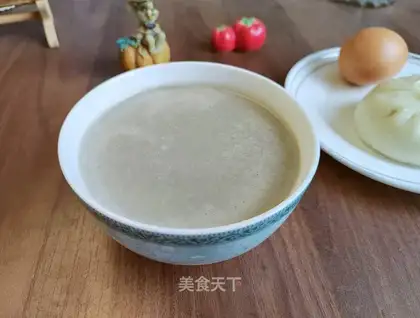
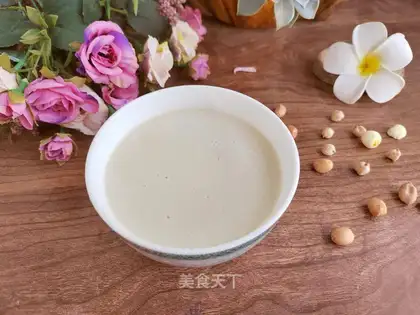
Chickpeas, scientifically known as Cicer arietinum, are one of the oldest cultivated legumes, with evidence of their consumption dating back over 7,000 years in the Middle East. Today, they are a staple in global cuisines, from hummus in the Mediterranean to chana masala in India and falafel in the Middle East. Often called the "king of legumes," chickpeas are celebrated not only for their versatility but also for their exceptional nutritional profile and numerous health benefits. This article explores the nutritional value of chickpeas, their evidence-based health benefits, potential dietary precautions, and creative ways to incorporate them into a balanced diet.
I. Nutritional Value of Chickpeas
Chickpeas are a nutritional powerhouse, packed with macronutrients, micronutrients, and bioactive compounds that support overall health. A 100-gram serving of cooked chickpeas (without salt) provides approximately:
1. Macronutrients
- Protein: Chickpeas are an excellent plant-based protein source, containing around 8.9 grams per 100 grams. They are rich in essential amino acids, such as lysine and phenylalanine, though they are slightly low in methionine. Combining them with whole grains (e.g., rice or wheat) creates a complete protein profile, making them ideal for vegetarian and vegan diets.
- Dietary Fiber: With 7.6 grams of fiber per 100 grams, chickpeas are one of the highest-fiber legumes. Fiber is crucial for digestive health, as it adds bulk to stool, promotes regular bowel movements, and feeds beneficial gut bacteria.
- Complex Carbohydrates: Chickpeas provide approximately 27 grams of complex carbohydrates per 100 grams, which are digested slowly, providing sustained energy and stabilizing blood sugar levels.
2. Micronutrients
- Vitamins: Chickpeas are a good source of B vitamins, including folate (vitamin B9), which is essential for DNA synthesis, cell division, and fetal development. A 100-gram serving provides 55% of the daily recommended intake (DRI) for folate. They also contain vitamins B6, thiamin, and riboflavin, which play key roles in energy metabolism.
- Minerals: Chickpeas are rich in minerals like iron (2.9 mg per 100 grams, or 16% of DRI), which is vital for oxygen transport and red blood cell production. They also provide magnesium (79 mg, 20% of DRI), phosphorus (165 mg, 24% of DRI), potassium (291 mg, 6% of DRI), and zinc (1.5 mg, 14% of DRI). Additionally, they contain manganese, copper, and selenium in smaller amounts.
3. Bioactive Compounds
- Phytochemicals: Chickpeas are loaded with antioxidants, including flavonoids (e.g., quercetin and kaempferol), phenolic acids, and tannins, which combat oxidative stress and reduce inflammation.
- Resistant Starch: A portion of the starch in chickpeas is resistant to digestion, acting as a prebiotic that supports gut health by promoting the growth of beneficial bacteria like Bifidobacterium.
- Saponins: These compounds, found in chickpeas, have been studied for their cholesterol-lowering and immune-boosting properties.
II. Health Benefits of Chickpeas
The unique combination of nutrients in chickpeas contributes to a wide range of health benefits, backed by scientific research.
1. Supports Digestive Health
The high fiber content in chickpeas is a cornerstone of their digestive benefits. Insoluble fiber adds bulk to stool, preventing constipation, while soluble fiber forms a gel-like substance in the gut, which slows digestion and promotes nutrient absorption. Resistant starch further enhances gut health by serving as a food source for probiotics, fostering a balanced gut microbiome. Studies suggest that regular chickpea consumption may reduce the risk of diverticulitis, hemorrhoids, and colon cancer.
2. Regulates Blood Sugar Levels
Chickpeas have a low glycemic index (GI) of 28, meaning they cause a slow, gradual rise in blood sugar levels. This is attributed to their high fiber and protein content, which slows carbohydrate absorption. Research indicates that replacing refined grains with chickpeas can improve insulin sensitivity and reduce the risk of type 2 diabetes. A 2014 study published in the Archives of Internal Medicine found that participants who consumed legumes (including chickpeas) daily had a 35% lower risk of developing type 2 diabetes compared to those who rarely ate them.
3. Promotes Heart Health
Chickpeas are heart-friendly due to their nutrient composition:
- Fiber and Saponins: Soluble fiber binds to cholesterol in the digestive system, preventing its absorption and lowering LDL ("bad") cholesterol. Saponins have similar effects and may also reduce arterial plaque formation.
- Potassium and Magnesium: These minerals help regulate blood pressure by counteracting the effects of sodium and relaxing blood vessels. A 100-gram serving of chickpeas provides 6% of the DRI for potassium, which is linked to a 20% lower risk of stroke.
- Antioxidants: Flavonoids and phenolic acids reduce oxidative stress in blood vessels, preventing inflammation and atherosclerosis.
4. Aids in Weight Management
Chickpeas are a valuable food for weight control due to their high fiber and protein content, which increase satiety and reduce overall calorie intake. A 2016 study in the Journal of Nutrition and Metabolism found that participants who included chickpeas in their meals reported 31% greater feelings of fullness and consumed fewer snacks throughout the day. Additionally, the resistant starch in chickpeas boosts fat burning by promoting the production of short-chain fatty acids in the gut.
5. Supports Muscle Maintenance and Growth
As a plant-based protein source, chickpeas are essential for muscle repair and growth, particularly for vegetarians and vegans. The amino acids in chickpeas, when combined with whole grains, provide a complete protein profile comparable to animal proteins. A 2020 study in the Journal of the International Society of Sports Nutrition found that athletes who consumed chickpeas-based protein supplements experienced similar muscle gains to those using whey protein.
6. Enhances Immune Function
Chickpeas are rich in zinc, selenium, and vitamin C, all of which are critical for a healthy immune system. Zinc supports immune cell development and function, while selenium acts as an antioxidant that protects cells from damage. Vitamin C, though present in smaller amounts, enhances iron absorption (chickpeas are a non-heme iron source) and supports skin health, the body’s first line of defense against pathogens.
III. Potential Side Effects and Precautions
While chickpeas are highly nutritious, certain individuals should consume them in moderation or with caution:
1. Flatulence and Digestive Discomfort
Chickpeas contain oligosaccharides (e.g., raffinose and stachyose), complex sugars that are poorly digested by humans and fermented by gut bacteria, leading to gas, bloating, and abdominal pain. Soaking chickpeas overnight and discarding the soaking water, or cooking them thoroughly, can reduce these compounds. Gradually increasing intake and pairing chickpeas with digestive enzymes (e.g., alpha-galactosidase) may also alleviate symptoms.
2. Purine Content and Gout
Chickpeas are moderate in purines, natural compounds that break down into uric acid. For individuals with gout or high uric acid levels, excessive chickpea consumption may trigger flare-ups. However, research suggests that plant-based purines are less likely to cause gout than animal-based purines. Moderation is key, and consulting a healthcare provider is advisable for those with a history of gout.
3. Antinutrients
Like other legumes, chickpeas contain antinutrients such as phytic acid and tannins, which can inhibit the absorption of minerals like iron, zinc, and calcium. Soaking, sprouting, or cooking chickpeas can reduce antinutrient levels by 50–90%, enhancing mineral bioavailability. For example, sprouting chickpeas for 48 hours can phytic acid content by 75%.
4. Allergic Reactions
Chickpea allergies are rare but can occur, particularly in individuals with legume or peanut allergies. Symptoms may include hives, swelling, difficulty breathing, or anaphylaxis. Those with known allergies should avoid chickpeas and seek immediate medical attention if an allergic reaction occurs.
5. Sodium Content in Canned Chickpeas
Canned chickpeas often contain high levels of sodium, which can contribute to high blood pressure and cardiovascular issues. Opting for low-sodium or no-salt-added canned varieties, or cooking dried chickpeas at home, is a healthier alternative. Rinsing canned chickpeas can reduce sodium content by up to 40%.
IV. Creative Ways to Incorporate Chickpeas into Your Diet
Chickpeas are incredibly versatile and can be used in both savory and sweet dishes:
- Hummus: A classic dip made from blended chickpeas, tahini, lemon juice, and garlic.
- Salads and Bowls: Add roasted chickpeas to salads, grain bowls, or wraps for extra protein and fiber.
- Soups and Stews: Use chickpeas in soups like minestrone or stews like chana masala for heartiness.
- Baked Goods: Substitute chickpea flour for wheat flour in pancakes, muffins, or bread for a gluten-free, protein-rich alternative.
- Snacks: Roast chickpeas with spices (e.g., paprika, cumin) for a crunchy, healthy snack.
Conclusion
Chickpeas are a nutritional powerhouse that offers a myriad of health benefits, from improved digestion and heart health to better blood sugar control and weight management. Their versatility in cooking makes them an easy addition to any diet, while their affordability and sustainability make them an environmentally friendly protein source. While precautions such as soaking to reduce flatulence and moderating intake for those with gout are important, the overall evidence supports chickpeas as a cornerstone of a healthy, balanced diet. Whether you enjoy them in hummus, curries, or salads, chickpeas are a delicious and nutrient-dense food that can enhance your well-being for years to come.