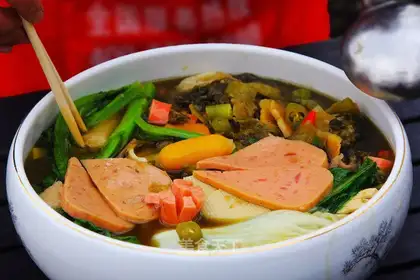
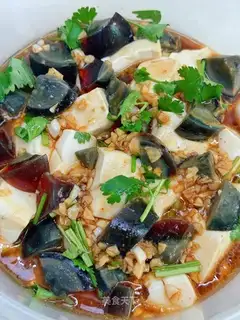
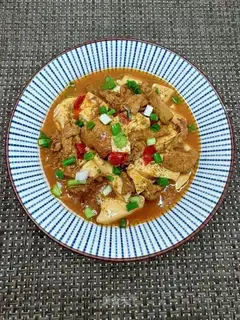
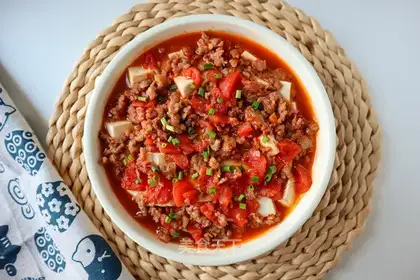
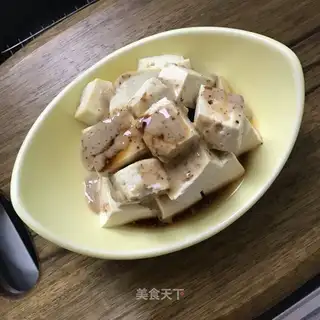
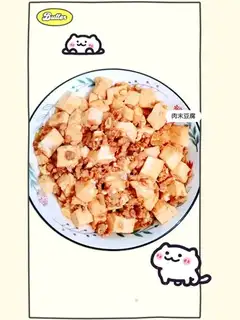
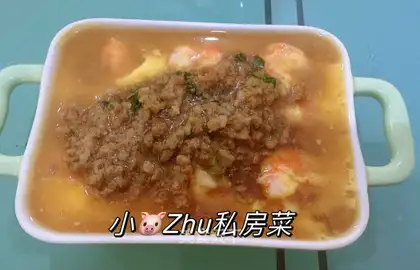
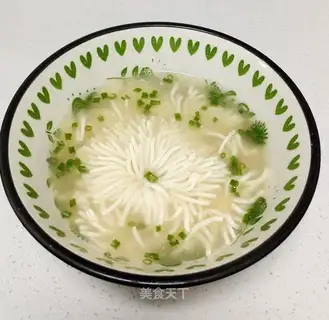
Silken tofu, with its delicate, custard-like texture and subtle flavor, has long been a staple in Asian cuisine for centuries. Unlike its firmer counterparts, silken tofu is made by coagulating soy milk with calcium sulfate or magnesium chloride, then gently pressing it into blocks without additional firming agents. This minimal processing results in a product that is not only versatile in cooking but also packed with nutrients. Revered for its health benefits, silken tofu has gained global popularity as a plant-based protein source. However, like all foods, it must be consumed mindfully to maximize its benefits while avoiding potential risks. This article explores the nutritional value of silken tofu, its health benefits, and important considerations for safe consumption.
Nutritional Value of Silken Tofu
Silken tofu is a nutritional powerhouse, offering a rich profile of macronutrients, vitamins, and minerals while being low in calories. A 100-gram serving of firm silken tofu typically contains:
- Protein: Around 6–8 grams of high-quality plant-based protein, providing all nine essential amino acids. This makes it an excellent alternative to animal protein for vegetarians, vegans, and those seeking to reduce meat consumption.
- Fats: Approximately 4–5 grams of fat, mostly composed of heart-healthy unsaturated fats, including omega-3 and omega-6 fatty acids. It is also low in saturated fat, making it a favorable choice for cardiovascular health.
- Carbohydrates: Just 1–2 grams per serving, with minimal sugar, making it suitable for low-carb and ketogenic diets.
- Vitamins and Minerals: Silken tofu is a good source of B vitamins (such as riboflavin, vitamin B6, and folate), which play key roles in energy metabolism and cell function. It also provides essential minerals like calcium (important for bone health, especially when made with calcium sulfate), iron (vital for oxygen transport), magnesium (supports muscle and nerve function), and phosphorus (aids in bone formation and energy production).
- Antioxidants: Rich in isoflavones, particularly genistein and daidzein, which are plant compounds with antioxidant and anti-inflammatory properties. These isoflavones have been linked to numerous health benefits, including reduced risk of chronic diseases.
Additionally, silken tofu is naturally gluten-free and low in sodium (when unseasoned), making it a versatile ingredient for individuals with celiac disease or hypertension.
Health Benefits of Silken Tofu
The unique nutritional composition of silken tofu translates to a range of health benefits, supported by scientific research.
1. Supports Heart Health
Silken tofu’s low saturated fat content and high levels of unsaturated fats make it a heart-healthy food. Replacing animal protein with silken tofu has been shown to lower LDL (“bad”) cholesterol levels, reducing the risk of atherosclerosis and heart disease. The isoflavones in tofu may also improve blood vessel elasticity and reduce inflammation, further protecting cardiovascular function.
2. Promotes Bone Health
For individuals at risk of osteoporosis, silken tofu is an excellent source of calcium and vitamin K (if fortified). Calcium is the primary mineral in bone tissue, while vitamin K aids in calcium absorption and bone metabolism. Studies suggest that regular consumption of soy-based foods like tofu may help maintain bone density, particularly in postmenopausal women who experience accelerated bone loss due to declining estrogen levels.
3. Aids Weight Management
With its high protein and low-calorie profile, silken tofu promotes satiety, helping to curb overeating and support weight loss efforts. Protein takes longer to digest than carbohydrates, keeping you full for longer periods. Additionally, tofu’s low glycemic index (GI) means it does not cause rapid spikes in blood sugar, making it a stable energy source for those managing their weight or blood sugar levels.
4. Balances Hormones and Reduces Cancer Risk
Soy isoflavones exhibit phytoestrogenic activity, meaning they can mimic the hormone estrogen in the body. This property may help alleviate symptoms of menopause, such as hot flashes and night sweats, by binding to estrogen receptors. Research also suggests that isoflavones may reduce the risk of hormone-related cancers, such as breast and prostate cancer, by inhibiting the growth of cancer cells and blocking the effects of harmful estrogen. However, studies are mixed, and moderation is key.
5. Supports Brain Health and Cognitive Function
Silken tofu contains choline, a nutrient essential for brain development and function. Choline is a precursor to acetylcholine, a neurotransmitter involved in memory and mood regulation. Adequate choline intake has been linked to improved cognitive performance and a reduced risk of neurodegenerative diseases like Alzheimer’s.
6. Enhances Digestive Health
As a plant-based food, silken tofu contributes to dietary fiber intake (though less than firm tofu), which promotes healthy digestion by supporting gut bacteria and preventing constipation. Additionally, its low FODMAP (fermentable oligosaccharides, disaccharides, monosaccharides, and polyols) content makes it suitable for individuals with irritable bowel syndrome (IBS) when consumed in moderation.
食用禁忌与注意事项 (Consumption Taboos and Precautions)
While silken tofu offers numerous health benefits, certain populations should exercise caution or avoid excessive consumption.
1. Soy Allergies
Individuals with soy allergies should strictly avoid silken tofu, as it is derived from soybeans. Allergic reactions can range from mild symptoms (hives, itching) to severe anaphylaxis, which requires immediate medical attention.
2. Thyroid Disorders
Soy isoflavones may interfere with thyroid function by inhibiting the absorption of iodine, a mineral essential for thyroid hormone production. People with hypothyroidism (underactive thyroid) should consume silken tofu in moderation and ensure adequate iodine intake (e.g., through iodized salt or seaweed). Cooking tofu may reduce its goitrogenic (thyroid-disrupting) effects.
3. Excessive Consumption During Pregnancy and Breastfeeding
While moderate soy consumption is generally safe during pregnancy and breastfeeding, excessive intake of isoflavones may affect hormone levels. Pregnant women should consult their healthcare provider to determine appropriate portion sizes.
4. Interaction with Medications
Silken tofu may interact with certain medications, particularly blood thinners (e.g., warfarin) due to its vitamin K content. Consistent intake is essential to avoid altering medication efficacy. Additionally, its high calcium content may interfere with antibiotics (e.g., tetracyclines), which should be taken 2–3 hours apart from tofu consumption.
5. Processed Tofu Products
While plain silken tofu is a healthy choice, flavored or processed tofu varieties (e.g., fried tofu, marinated tofu) may contain high levels of sodium, added sugars, or unhealthy fats. Opting for unseasoned silken tofu and preparing it at home allows for better control over ingredients.
Conclusion
Silken tofu is a nutrient-dense, versatile ingredient that offers a wide range of health benefits, from supporting heart and bone health to aiding weight management and cognitive function. Its high protein content, low calorie count, and rich profile of vitamins, minerals, and antioxidants make it an excellent addition to a balanced diet. However, individuals with soy allergies, thyroid disorders, or specific medication needs should consume it cautiously. By incorporating silken tofu into meals mindfully—whether in smoothies, soups, desserts, or savory dishes—individuals can harness its nutritional potential while minimizing risks. As with any food, moderation and variety are key to a healthy lifestyle. Silken tofu, with its delicate texture and mild flavor, not only elevates culinary creations but also nourishes the body, proving that simplicity can be both delicious and beneficial.