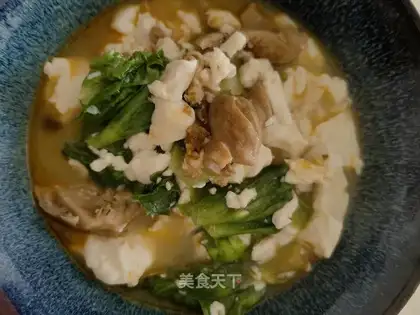
In the diverse world of plant-based foods, silken tofu stands out as a versatile and nutrient-dense ingredient, celebrated for its delicate texture and mild flavor. Also known as nigari tofu or Japanese-style tofu, silken tofu is distinct from its firmer counterparts due to its higher moisture content and smooth, custard-like consistency. Made by coagulating soy milk with a coagulant such as calcium sulfate or magnesium chloride (nigari), silken tofu has been a staple in Asian cuisine for centuries and has gained global popularity as a health-conscious food choice. This article explores the nutritional profile of silken tofu, its extensive health benefits, and important considerations for consumption to ensure safe and optimal use.
I. Nutritional Profile of Silken Tofu
Silken tofu is a nutritional powerhouse, offering a rich array of macronutrients, vitamins, and minerals while being low in calories and saturated fat. A 100-gram serving of plain, firm silken tofu typically contains:
1. Macronutrients
- Protein: Silken tofu is an excellent source of plant-based protein, providing approximately 4–6 grams per 100 grams. Unlike animal proteins, tofu contains all nine essential amino acids, making it a complete protein. This is particularly valuable for vegetarians, vegans, and individuals looking to reduce meat consumption. The amino acid profile in tofu supports muscle repair, immune function, and enzyme production.
- Fats: With only 2–3 grams of fat per 100 grams, silken tofu is low in saturated fat and contains no cholesterol. The majority of its fat is polyunsaturated fat, including omega-3 and omega-6 fatty acids, which support heart health and reduce inflammation.
- Carbohydrates: Silken tofu is very low in carbohydrates (around 1–2 grams per 100 grams), making it suitable for low-carb and ketogenic diets.
- Calories: At approximately 60–80 calories per 100 grams, silken tofu is a low-calorie option that can aid in weight management while providing essential nutrients.
2. Micronutrients
- Calcium: Silken tofu made with calcium sulfate is a significant source of calcium, providing 10–20% of the daily recommended intake (DRI) per 100 grams. Calcium is vital for bone health, muscle function, and nerve signaling.
- Iron: Tofu contains non-heme iron, which is essential for oxygen transport and red blood cell production. While non-heme iron is less easily absorbed than heme iron (from animal sources), consuming it with vitamin C (e.g., in fruits or vegetables) enhances absorption.
- Magnesium: With 10–15% of the DRI per 100 grams, magnesium in silken tofu supports over 300 biochemical reactions in the body, including blood pressure regulation, blood sugar control, and protein synthesis.
- Vitamins: Silken tofu provides B vitamins such as riboflavin (B2), niacin (B3), and vitamin B6, which are crucial for energy metabolism and brain function. It also contains small amounts of vitamin K, which aids in blood clotting and bone health.
- Isoflavones: A standout component of tofu is its isoflavone content, including genistein, daidzein, and glycitein. These phytoestrogens have antioxidant, anti-inflammatory, and estrogen-like effects, contributing to many of tofu’s health benefits.
II. Health Benefits of Silken Tofu
The unique combination of nutrients in silken tofu translates to a wide range of health benefits, from heart health to hormonal balance.
1. Supports Heart Health
Silken tofu is a heart-healthy food due to its low saturated fat and cholesterol content, as well as its high levels of polyunsaturated fats and isoflavones. Studies show that isoflavones help reduce LDL (“bad”) cholesterol levels and inhibit the oxidation of lipids, a key factor in atherosclerosis (hardening of the arteries). Additionally, tofu’s potassium content (approximately 50–100 mg per 100 grams) helps regulate blood pressure by counteracting the effects of sodium.
2. Aids in Weight Management
With its low calorie density and high protein content, silken tofu is an ideal food for weight loss and maintenance. Protein promotes satiety, reducing overall calorie intake by curbing hunger and cravings. A 2019 study published in the Journal of Nutrition found that replacing animal protein with plant-based protein sources like tofu was associated with lower body weight and reduced risk of obesity.
3. Promotes Bone Health
Silken tofu is a valuable source of calcium and vitamin K, both essential for bone density and strength. For individuals who are lactose intolerant or avoid dairy, tofu provides a calcium-rich alternative. Magnesium in tofu also enhances calcium absorption and plays a role in bone mineralization. Research suggests that regular consumption of soy products, including tofu, may reduce the risk of osteoporosis, particularly in postmenopausal women.
4. Balances Hormones and Reduces Cancer Risk
Isoflavones in tofu exhibit weak estrogenic effects, which can help balance hormone levels in the body. For women, this may alleviate symptoms of menopause, such as hot flashes and bone loss. Studies indicate that populations with high soy intake have lower rates of hormone-related cancers, such as breast and prostate cancer. However, evidence is mixed, and moderation is advised for individuals with a history of estrogen-sensitive cancers (discussed further in the “Precautions” section).
5. Supports Brain Health and Cognitive Function
Tofu’s B vitamins, particularly vitamin B6 and choline, are essential for brain health. Choline is a precursor to acetylcholine, a neurotransmitter involved in memory and mood regulation. Additionally, isoflavones have neuroprotective properties, potentially reducing the risk of age-related cognitive decline. A 2020 study in Nutrients linked regular soy consumption to improved cognitive performance in older adults.
6. Enhances Digestive Health
Silken tofu is easy to digest, making it suitable for individuals with sensitive digestive systems or those recovering from illness. Its prebiotic fiber content (though modest) feeds beneficial gut bacteria, promoting a healthy gut microbiome. A balanced gut microbiome is linked to improved immunity, reduced inflammation, and better mental health.
III. Precautions and Potential Side Effects
While silken tofu is a healthy food for most people, certain precautions should be taken to avoid adverse effects.
1. Soy Allergies
Soy is one of the top eight food allergens, and individuals with soy allergies should strictly avoid tofu. Symptoms of a soy allergy range from mild (hives, itching) to severe (anaphylaxis). Those with known soy allergies should opt for alternative plant-based proteins such as lentils, chickpeas, or quinoa.
2. Thyroid Health
Soy contains goitrogens, compounds that can interfere with thyroid function by inhibiting the uptake of iodine. For individuals with hypothyroidism (underactive thyroid) or those taking thyroid medication, excessive soy consumption may exacerbate symptoms. Cooking tofu reduces goitrogen activity, and moderate consumption (1–2 servings per week) is generally safe for most people. Those with thyroid conditions should consult a healthcare provider before including tofu in their diet.
3. Estrogen-Sensitive Cancers
The isoflavones in tofu have estrogen-like effects, which may stimulate the growth of estrogen-sensitive cancers (e.g., certain types of breast cancer). While population studies on soy and cancer risk are inconclusive, some experts recommend that individuals with a history of estrogen-sensitive cancers limit soy intake or avoid concentrated soy supplements (e.g., isoflavone pills). Whole foods like tofu, however, are considered safer than supplements due to their lower isoflavone concentration.
4. Genetic Variations in Isoflavone Metabolism
Not everyone metabolizes isoflavones in the same way. Some individuals (approximately 30% of Western populations) have a gut microbiome that converts daidzein into a more potent estrogenic compound, which may have different health effects. While research on this topic is ongoing, it highlights the importance of moderation and individualized dietary choices.
5. Additives and Processing
Some commercially produced tofu may contain additives such as calcium sulfate, magnesium chloride, or preservatives. While these are generally safe, individuals with specific sensitivities should check ingredient labels. Opting for organic, non-GMO tofu can also minimize exposure to pesticides and genetically modified ingredients.
IV. Practical Tips for Incorporating Silken Tofu into Your Diet
Silken tofu’s versatility makes it easy to incorporate into a variety of dishes. Here are some ideas:
- Smoothies: Blend silken tofu with fruits, vegetables, and plant-based milk for a creamy, protein-rich smoothie.
- Soups and Salads: Crumble tofu into miso soup, stir-fries, or salads for added texture and nutrients.
- Desserts: Use silken tofu as a base for puddings, mousses, or cheesecakes (vegan or traditional) for a low-fat, high-protein treat.
- Sauces and Dressings: Blend tofu with herbs, garlic, and lemon juice for a creamy, dairy-free alternative to mayonnaise or ranch dressing.
Conclusion
Silken tofu is a nutrient-dense, versatile food that offers numerous health benefits, from heart health to weight management. Its high protein content, low calorie count, and rich array of micronutrients make it an excellent choice for individuals seeking to adopt a balanced, plant-based diet. However, moderation and awareness of potential precautions—such as soy allergies, thyroid health, and estrogen-sensitive conditions—are essential to ensure safe consumption. When included as part of a varied diet, silken tofu can be a valuable addition to promoting overall health and well-being. As with any food, listening to your body and consulting a healthcare provider for personalized advice is key to reaping its full benefits.