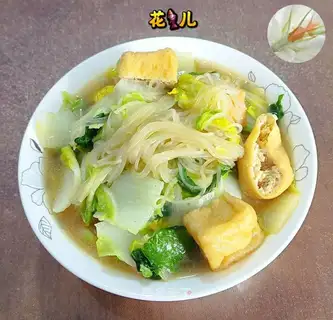
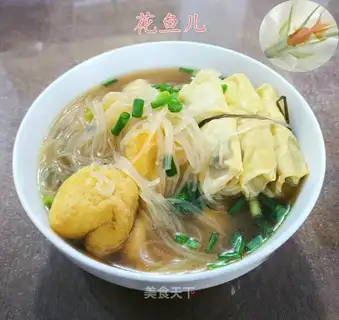
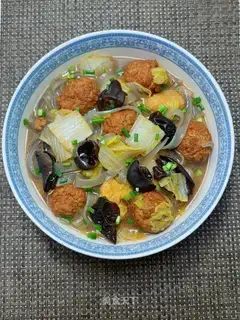
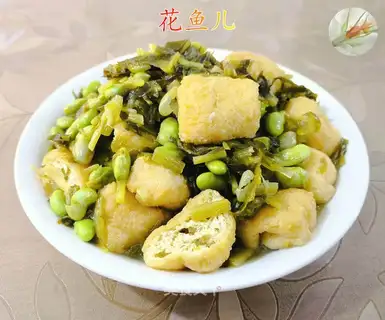
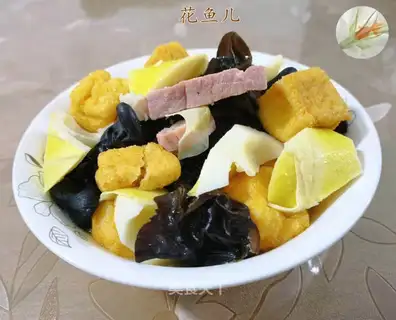
Fried tofu, known as you doufu in Chinese or age in Japanese, is a versatile and nutrient-dense ingredient crafted by deep-frying or pan-frying tofu until golden and crispy. With a history rooted in Asian cuisine for centuries, this humble food has transcended cultural boundaries to become a global staple in both traditional dishes and modern plant-based diets. Beyond its satisfying texture and ability to absorb flavors, fried tofu boasts a remarkable nutritional profile and a range of health benefits. However, like all foods, it must be consumed mindfully to avoid potential risks. This article explores the nutritional value of fried tofu, its health-promoting properties, and important precautions for safe consumption.
Nutritional Value of Fried Tofu
Fried tofu is derived from soybeans, making it a rich source of plant-based protein, essential amino acids, and a variety of micronutrients. Its nutritional composition varies slightly depending on preparation methods—such as frying depth and oil type—but its core benefits remain consistent.
1. High-Quality Plant Protein
Tofu itself is a complete protein, containing all nine essential amino acids that the human body cannot produce independently. Fried tofu retains this protein content, with a 100-gram serving providing approximately 15–20 grams of protein. This makes it an excellent alternative to animal-based proteins for vegetarians, vegans, and individuals looking to reduce meat consumption. Protein is vital for muscle repair, immune function, and enzyme production, and fried tofu’s bioavailability is enhanced by the heat-induced denaturation of soy proteins, which improves digestibility.
2. Healthy Fats and Fat-Soluble Vitamins
The frying process increases the fat content of tofu, but this is not inherently detrimental. When fried in healthy oils (e.g., olive, coconut, or high-heat-stable vegetable oils), fried tofu contributes monounsaturated and polyunsaturated fats, which support heart health by lowering LDL (“bad”) cholesterol. A 100-gram serving of fried tofu typically contains 15–20 grams of fat, with a balanced ratio of omega-3 to omega-6 fatty acids if prepared with unsaturated oils. Additionally, frying enhances the absorption of fat-soluble vitamins present in tofu, such as vitamin E (a powerful antioxidant) and vitamin K (essential for blood clotting and bone health).
3. Essential Minerals
Fried tofu is a mineral powerhouse, particularly rich in calcium, iron, magnesium, and phosphorus. A 100-gram serving may contain 20–30% of the daily recommended intake of calcium, depending on the tofu’s coagulation method (calcium sulfate-set tofu is highest in this mineral). Calcium is critical for bone density and nerve function, while iron supports oxygen transport and prevents anemia. Magnesium, involved in over 300 enzymatic reactions, aids in muscle relaxation and blood sugar regulation, and phosphorus works alongside calcium to maintain strong teeth and bones.
4. Bioactive Compounds
Soybeans are renowned for their isoflavones—phytoestrogens with antioxidant and anti-inflammatory properties. Fried tofu retains these compounds, particularly genistein and daidzein, which have been linked to reduced risk of chronic diseases. Isoflavones may also support hormonal balance, especially in postmenopausal women, by mimicking estrogen to alleviate symptoms like hot flashes.
Health Benefits of Fried Tofu
The nutritional profile of fried tofu translates into a range of health benefits, from improved heart health to enhanced weight management.
1. Supports Heart Health
Regular consumption of fried tofu (when prepared with healthy oils) may reduce the risk of cardiovascular disease. Soy protein has been shown to lower LDL cholesterol and triglyceride levels, while the isoflavones in fried tofu improve endothelial function (the health of blood vessel linings) and reduce inflammation. A study published in the Journal of Nutrition found that replacing animal protein with soy protein (as found in tofu) decreased systolic blood pressure by an average of 4 mmHg in hypertensive individuals.
2. Aids Weight Management
Fried tofu’s high protein and fiber content promotes satiety, helping to curb overeating and support weight loss goals. Protein has a higher thermic effect of food (TEF) than fats or carbohydrates, meaning the body burns more calories digesting it. Additionally, the fiber in fried tofu (2–3 grams per 100-gram serving) slows digestion, stabilizes blood sugar, and reduces cravings. For those following a calorie-restricted diet, fried tofu provides a nutrient-dense, low-calorie option that keeps you feeling full longer.
3. Promotes Bone Health
The calcium and vitamin K in fried tofu are synergistic for bone maintenance. Calcium provides the structural framework for bones, while vitamin K activates osteocalcin, a protein that incorporates calcium into bone tissue. Studies suggest that postmenopausal women who consume soy isoflavones regularly have a higher bone mineral density and a lower risk of fractures. For individuals lactose intolerant or allergic to dairy, fried tofu serves as an excellent calcium alternative.
4. Balances Blood Sugar Levels
Fried tofu’s low glycemic index (GI) and high protein and fiber make it a diabetic-friendly food. The slow release of glucose into the bloodstream prevents spikes in blood sugar and insulin levels. A 2020 study in Diabetes Care found that incorporating soy-based foods like tofu into meals improved glycemic control in individuals with type 2 diabetes. This is particularly beneficial for fried tofu, which, when paired with fiber-rich vegetables, creates a balanced meal that supports metabolic health.
5. Enhances Muscle Recovery and Growth
Athletes and fitness enthusiasts can benefit from fried tofu’s protein content, which provides the amino acids needed for muscle repair and growth. Leucine, an essential amino acid abundant in tofu, stimulates muscle protein synthesis (MPS), the process by which the body rebuilds muscle tissue after exercise. Fried tofu’s versatility—whether added to stir-fries, salads, or grain bowls—makes it an easy way to boost protein intake in post-workout meals.
Precautions and Potential Side Effects
While fried tofu offers numerous health benefits, certain precautions must be taken to avoid adverse effects, particularly for individuals with specific health conditions.
1. Sodium Content
Commercially prepared fried tofu often contains high levels of sodium, as salt is used for flavor and preservation. A 100-gram serving of store-bought fried tofu may contain 500–800 milligrams of sodium, exceeding 20–30% of the daily recommended limit (2,300 milligrams). Excessive sodium intake is linked to high blood pressure, heart disease, and kidney strain. To mitigate this, opt for low-sodium varieties or prepare fried tofu at home using minimal salt.
2. Oil Quality and Frying Methods
The health impact of fried tofu depends heavily on the type of oil used and frying techniques. Reusing frying oil or using oils high in saturated fats (e.g., palm oil) can increase trans fats and oxidized compounds, which promote inflammation and chronic disease. For healthier frying, use oils with high smoke points, such as avocado oil, peanut oil, or refined coconut oil, and avoid reusing oil multiple times. Air-frying or shallow-frying can also reduce oil absorption by 30–50% compared to deep-frying.
3. Soy Allergies and Sensitivities
Soy is one of the eight major allergens, and individuals with soy allergies must strictly avoid fried tofu. Symptoms of a soy allergy range from mild (hives, itching) to severe (anaphylaxis). Additionally, some people may experience digestive discomfort (e.g., bloating, gas) due to soy oligosaccharides, complex sugars that are difficult to digest. Soaking tofu in water before frying can reduce these compounds, making it easier to tolerate.
4. Thyroid Health Considerations
Soy isoflavones may interfere with thyroid function in individuals with iodine deficiency or pre-existing thyroid conditions. Isoflavones inhibit the enzyme thyroid peroxidase, which is essential for thyroid hormone production. While moderate soy consumption is generally safe for those with healthy thyroid function, individuals with hypothyroidism should consult a healthcare provider and ensure adequate iodine intake (e.g., through iodized salt or seafood) when including fried tofu in their diet.
5. Calorie Density
Fried tofu is more calorie-dense than plain tofu due to its fat content. A 100-gram serving of fried tofu contains 200–300 calories, compared to 76 calories in plain tofu. Overconsumption can contribute to weight gain, especially if paired with high-calorie sauces or sides. To balance calories, pair fried tofu with low-calorie vegetables, whole grains, and lean proteins, and practice portion control (e.g., 50–100 grams per serving).
Conclusion
Fried tofu is a nutrient-rich, versatile ingredient that offers a host of health benefits, from supporting heart health and weight management to promoting bone strength and muscle recovery. Its high-quality protein, healthy fats, and essential minerals make it a valuable addition to a balanced diet, particularly for plant-based eaters. However, mindful preparation and consumption are key to maximizing its benefits: choose healthy oils, limit sodium, and avoid excessive frying. For most people, fried tofu can be a delicious and nutritious staple, but those with soy allergies, thyroid conditions, or hypertension should take precautions or consult a healthcare provider. By incorporating fried tofu into meals strategically, individuals can enjoy its unique texture and flavor while reaping its impressive nutritional rewards.