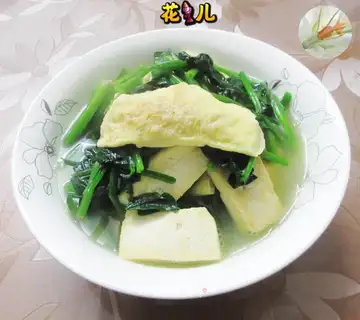
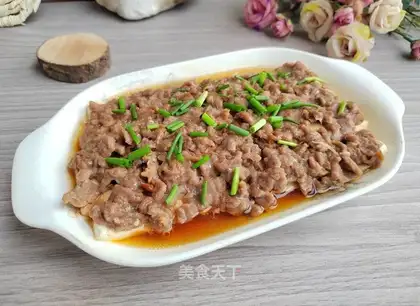
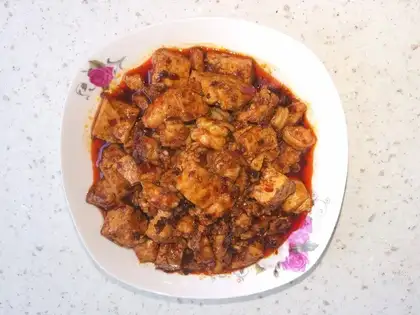
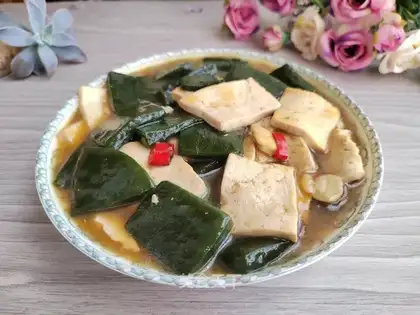
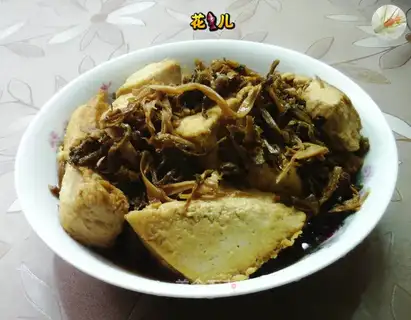
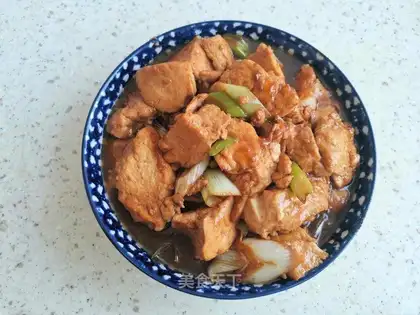
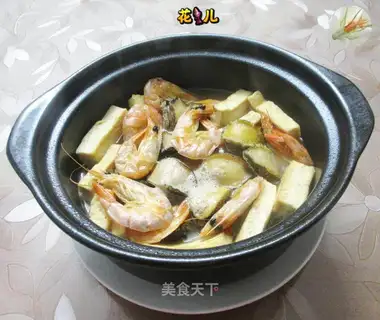
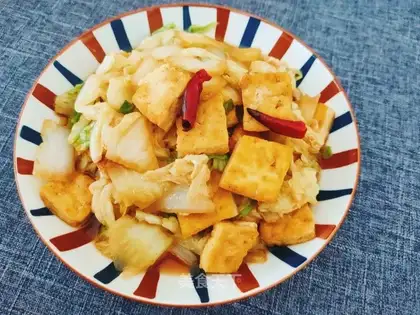
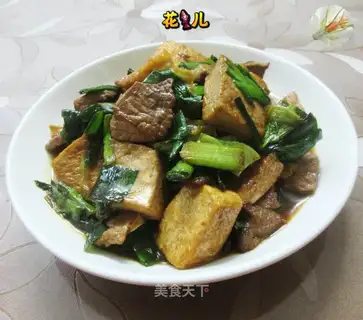
Tofu, a versatile and nutrient-dense food originating in ancient China, has been a staple in Asian cuisines for over 2,000 years. Among its many varieties, Northern Tofu (also known as "hard tofu" or "firm tofu") stands out for its unique texture, high protein content, and extensive health benefits. Made from soybeans through a process of soaking, grinding, boiling, and coagulating with calcium or magnesium salts, Northern Tofu is distinguished by its firm, compact texture, which holds its shape well during cooking. This article explores the nutritional profile of Northern Tofu, its health benefits, and important precautions for consumption, providing a comprehensive guide to incorporating this superfood into a balanced diet.
I. Nutritional Value of Northern Tofu
Northern Tofu is a nutritional powerhouse, offering a rich profile of macronutrients, vitamins, minerals, and bioactive compounds. Its nutritional composition is rooted in soybeans, which are renowned for their high-quality plant protein and phytochemicals.
1. High-Quality Plant Protein
Soybeans, the primary ingredient of Northern Tofu, contain all nine essential amino acids, making tofu a complete protein source—a rare attribute in plant-based foods. A 100-gram serving of Northern Tofu provides approximately 15–20 grams of protein, rivaling that of meat, poultry, and dairy products. This makes it an excellent alternative for vegetarians, vegans, and individuals looking to reduce animal protein intake. The protein in tofu is easily digestible due to its minimal anti-nutritional factors (e.g., trypsin inhibitors), which are largely inactivated during the coagulation process.
2. Essential Fatty Acids
Northern Tofu is a good source of polyunsaturated fats, particularly alpha-linolenic acid (ALA), an omega-3 fatty acid that supports heart and brain health. Unlike animal fats, tofu is low in saturated fat and cholesterol-free, making it a heart-healthy choice. The fat content in Northern Tofu (typically 5–8 grams per 100 grams) is balanced, with a higher proportion of unsaturated fats that help reduce LDL ("bad") cholesterol levels.
3. Vitamins and Minerals
Northern Tofu is rich in several key micronutrients:
- Calcium: Made with calcium sulfate as a coagulant, Northern Tofu is an excellent source of calcium, providing 138–353 milligrams per 100 grams—comparable to dairy milk. This makes it crucial for bone health, especially for individuals lactose intolerant or allergic to dairy.
- Iron: Tofu contains non-heme iron (2–3 milligrams per 100 grams), which is essential for oxygen transport and energy production. Pairing tofu with vitamin C-rich foods (e.g., bell peppers, broccoli) enhances iron absorption.
- Magnesium: With 30–50 milligrams per 100 grams, magnesium supports muscle function, nerve signaling, and blood sugar regulation.
- B Vitamins: Tofu is a source of B vitamins, including riboflavin (B2), niacin (B3), and folate (B9), which play roles in metabolism and DNA synthesis.
- Vitamin K: Fermented varieties of Northern Tofu (e.g., aged tofu) may contain vitamin K2, which promotes bone and cardiovascular health.
4. Bioactive Compounds
Soybeans are rich in isoflavones, a type of phytoestrogen with antioxidant and anti-inflammatory properties. Northern Tofu typically contains 50–100 milligrams of isoflavones per 100 grams, including genistein, daidzein, and glycitein. These compounds have been linked to reduced risk of chronic diseases, including heart disease, osteoporosis, and certain cancers. Additionally, tofu contains saponins, which may help lower cholesterol and boost immune function.
II. Health Benefits of Northern Tofu
The unique nutritional composition of Northern Tofu translates into a wide range of health benefits, supported by scientific research and traditional use.
1. Supports Muscle Maintenance and Growth
With its high protein content and complete amino acid profile, Northern Tofu is ideal for muscle repair and growth. It is particularly beneficial for athletes, older adults (to combat sarcopenia), and individuals recovering from illness. The leucine content in tofu, an essential amino acid that stimulates muscle protein synthesis, is comparable to that of animal proteins.
2. Promotes Heart Health
Northern Tofu’s heart-healthy properties are well-documented. Its low saturated fat and zero cholesterol content, combined with omega-3 fatty acids and isoflavones, help reduce LDL cholesterol and increase HDL ("good") cholesterol. Studies show that regular soy consumption (including tofu) can lower the risk of coronary heart disease by 10–15%. The isoflavones in tofu also improve blood vessel elasticity and reduce inflammation, further protecting cardiovascular health.
3. Aids in Weight Management
Northern Tofu is low in calories (approximately 70–100 calories per 100 grams) and high in protein and fiber, promoting satiety and reducing overall calorie intake. Protein-rich foods like tofu increase the thermic effect of food (energy expenditure during digestion), helping boost metabolism. A 2017 study published in the Journal of Nutrition found that replacing animal protein with tofu was associated with lower body weight and reduced risk of obesity.
4. Supports Bone Health
The calcium and magnesium in Northern Tofu are critical for maintaining bone density and preventing osteoporosis. Soy isoflavones may also enhance bone mineralization by mimicking estrogen, which declines in postmenopausal women (a group at high risk for osteoporosis). Research indicates that regular tofu consumption can increase bone density and reduce fracture risk, especially when combined with vitamin D and exercise.
5. Regulates Blood Sugar Levels
Northern Tofu has a low glycemic index (GI) of approximately 15, meaning it causes a gradual rise in blood sugar levels. Its high protein and fiber content slows carbohydrate absorption, making it beneficial for individuals with diabetes or insulin resistance. A 2020 meta-analysis in Nutrients found that soy consumption improved glycemic control and reduced insulin resistance in diabetic patients.
6. May Reduce Cancer Risk
The isoflavones in Northern Tofu have been extensively studied for their anti-cancer properties. Genistein, in particular, inhibits the growth of cancer cells by blocking angiogenesis (formation of new blood vessels) and inducing apoptosis (programmed cell death). Population studies suggest that regular tofu consumption is associated with a lower risk of breast, prostate, and colorectal cancers. However, more research is needed to confirm these effects, especially regarding hormone-sensitive cancers.
7. Supports Brain Health and Cognitive Function
The omega-3 fatty acids (ALA) and B vitamins in Northern Tofu support brain health by reducing inflammation and promoting neurotransmitter production. Some studies indicate that soy isoflavones may improve memory and cognitive function in older adults, potentially lowering the risk of neurodegenerative diseases like Alzheimer’s.
III. Precautions and Considerations for Consumption
While Northern Tofu offers numerous health benefits, certain precautions should be taken to maximize its safety and efficacy.
1. Soy Allergies
Soy is one of the eight major allergens, and individuals with soy allergies should avoid Northern Tofu entirely. Symptoms of a soy allergy range from mild (hives, itching) to severe (anaphylaxis). Those with a history of soy allergy should consult a healthcare provider before consuming tofu or soy products.
2. Thyroid Health
Soy contains goitrogens, compounds that can interfere with thyroid function by inhibiting iodine uptake. While moderate tofu consumption is generally safe for individuals with normal thyroid function, those with hypothyroidism or iodine deficiency should limit their intake. Cooking tofu reduces goitrogen levels, and pairing it with iodine-rich foods (e.g., seaweed, iodized salt) can mitigate risks.
3. Genetically Modified (GM) Soybeans
Most soybeans grown globally are genetically modified (GM) to resist pests and herbicides. To minimize exposure to GM crops, consumers should choose organic, non-GMO Northern Tofu, certified by organizations such as the Non-GMO Project.
4. Phytates and Mineral Absorption
Tofu contains phytates, which can bind to minerals like iron, zinc, and calcium, reducing their absorption. Soaking or fermenting tofu (e.g., in tempeh or miso) can lower phytate levels. Additionally, consuming vitamin C-rich foods alongside tofu enhances iron absorption.
5. Moderation in Hormone-Sensitive Conditions
Due to its phytoestrogen content, individuals with hormone-sensitive conditions (e.g., breast cancer, endometriosis) should consult a healthcare provider before consuming large amounts of tofu. While some studies suggest isoflavones may reduce cancer risk, others advise caution in those with estrogen-dependent cancers.
6. Sodium Content
Some commercially produced Northern Tofu is high in sodium due to the use of calcium sulfate or other additives. Individuals with hypertension or kidney disease should opt for low-sodium or unsalted varieties and rinse tofu before cooking to reduce sodium levels.
IV. Conclusion
Northern Tofu is a nutritional powerhouse that offers a unique combination of high-quality protein, healthy fats, vitamins, minerals, and bioactive compounds. Its health benefits—from supporting muscle growth and heart health to regulating blood sugar and reducing cancer risk—make it a valuable addition to a balanced diet. However, precautions such as avoiding soy allergies, moderating intake for thyroid and hormone-sensitive conditions, and choosing non-GMO products are essential to ensure safe consumption.
Whether stir-fried, grilled, or blended into smoothies, Northern Tofu’s versatility and nutritional profile make it a sustainable and healthful choice for people of all ages. By understanding its benefits and potential risks, individuals can harness the power of this ancient food to enhance their overall well-being. As research continues to uncover new insights into soy’s health effects, Northern Tofu remains a timeless staple in global cuisine, bridging tradition and modern nutrition.