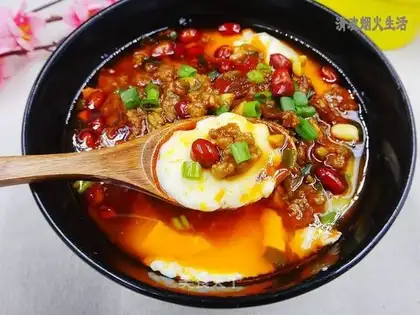
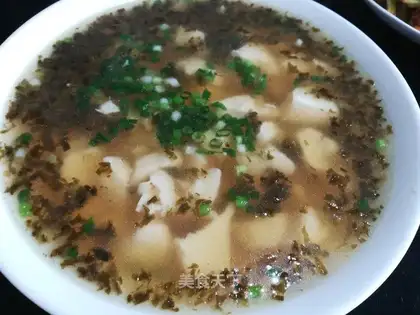
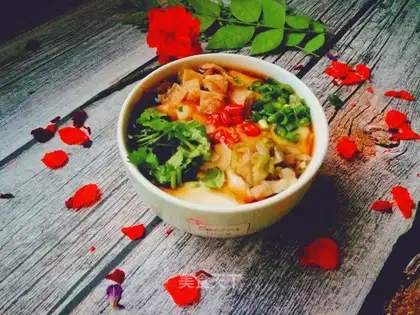
Tofu pudding, known as dòu huā in Mandarin, is a beloved staple in Asian cuisine, cherished for its delicate texture, versatility, and mild flavor. Often enjoyed as a comforting breakfast, dessert, or savory dish, this humble food has been a cornerstone of Asian diets for centuries. Beyond its culinary appeal, tofu pudding is a nutritional powerhouse, offering a wealth of health benefits. However, like any food, it must be consumed mindfully to avoid potential risks. This article explores the nutritional profile of tofu pudding, its health-promoting properties, and important considerations for safe consumption.
Nutritional Profile of Tofu Pudding
Tofu pudding is made by coagulating soy milk with a substance such as gypsum (calcium sulfate), nigari (magnesium chloride), or an acidic agent like lemon juice or vinegar. This process transforms liquid soy milk into a soft, custard-like curd, with the whey drained off. The result is a food that is low in calories yet rich in essential nutrients, making it an excellent addition to a balanced diet.
A 100-gram serving of plain, unsweetened tofu pudding contains approximately:
- Calories: 50–70 kcal, depending on the firmness and preparation method.
- Protein: 4–6 grams, making it a valuable plant-based protein source for vegetarians and vegans.
- Fat: 2–3 grams, mostly unsaturated fats, which support heart health.
- Carbohydrates: 3–5 grams, with minimal sugars in its natural state.
- Fiber: 0.5–1 gram, aiding digestion and promoting gut health.
- Calcium: 50–100 mg, particularly when gypsum is used as a coagulant, which boosts calcium content.
- Iron: 0.5–1 mg, contributing to red blood cell formation and oxygen transport.
- Magnesium: 20–30 mg, essential for muscle and nerve function.
- Phosphorus: 50–70 mg, supporting bone health and cellular repair.
Soybeans, the primary ingredient in tofu pudding, are also rich in bioactive compounds like isoflavones—antioxidants that mimic estrogen and play a role in hormone regulation. These compounds, including genistein and daidzein, are linked to numerous health benefits, from reducing inflammation to supporting bone density.
Health Benefits of Tofu Pudding
The nutritional composition of tofu pudding translates into a range of health benefits, backed by scientific research.
1. Supports Heart Health
Tofu pudding is low in saturated fat and cholesterol-free, making it a heart-healthy alternative to animal-based proteins. Soy isoflavones have been shown to lower LDL (“bad”) cholesterol levels and improve blood lipid profiles, reducing the risk of atherosclerosis and cardiovascular disease. A study published in the Journal of Nutrition found that regular soy consumption could reduce the risk of heart disease by up to 10%, thanks to its isoflavones and unsaturated fats.
2. Promotes Bone Health
Calcium and vitamin D (often added to commercial tofu pudding) are crucial for maintaining strong bones and preventing osteoporosis. Soy isoflavones also enhance calcium absorption and reduce bone resorption, particularly in postmenopausal women who are at higher risk of bone loss. Research in Osteoporosis International suggests that soy isoflavones may help preserve bone mineral density, making tofu pudding a valuable dietary choice for bone health.
3. Aids Weight Management
With its low calorie and high protein content, tofu pudding is an excellent food for weight management. Protein promotes satiety, reducing hunger and overall calorie intake. A study in the American Journal of Clinical Nutrition found that high-protein diets increase thermogenesis (the body’s calorie-burning process) and help maintain muscle mass during weight loss. Including tofu pudding in meals can therefore support healthy weight loss efforts.
4. Regulates Blood Sugar Levels
Tofu pudding has a low glycemic index (GI), meaning it causes a gradual rise in blood sugar levels rather than a spike. This makes it suitable for individuals with diabetes or those at risk of developing the condition. The fiber and protein in tofu pudding slow down carbohydrate absorption, helping to stabilize blood sugar and improve insulin sensitivity.
5. Supports Hormonal Balance
Soy isoflavones act as phytoestrogens, which can bind to estrogen receptors in the body and modulate hormone activity. This property is particularly beneficial for women experiencing menopausal symptoms, such as hot flashes and mood swings. A meta-analysis in Menopause concluded that soy isoflavones significantly reduced the frequency and severity of hot flashes in postmenopausal women.
6. Boosts Digestive Health
While tofu pudding is not high in fiber, it contains prebiotics—compounds that feed beneficial gut bacteria. A healthy gut microbiome is linked to improved digestion, enhanced immunity, and reduced inflammation. Additionally, the soft texture of tofu pudding makes it easy to digest, making it a suitable food for individuals with digestive sensitivities or the elderly.
Precautions and Potential Risks
Despite its many benefits, tofu pudding may not be suitable for everyone. Certain populations should consume it in moderation or avoid it altogether.
1. Soy Allergies
Soy is one of the top eight food allergens, and individuals with soy allergies must strictly avoid tofu pudding. Allergic reactions can range from mild symptoms like hives and itching to severe anaphylaxis, which requires immediate medical attention. Those with known soy allergies should opt for alternative protein sources such as almond pudding or rice pudding.
2. Thyroid Health Concerns
Soy contains goitrogens—compounds that can interfere with thyroid function by inhibiting the uptake of iodine. While moderate soy consumption is generally safe for individuals with a healthy thyroid, those with hypothyroidism or iodine deficiency should consult a healthcare provider before consuming tofu regularly. Cooking soybeans can reduce goitrogen levels, making tofu pudding safer for thyroid health.
3. Hormone-Sensitive Cancers
Due to its estrogen-like isoflavones, there has been debate about soy consumption and hormone-sensitive cancers, such as breast or prostate cancer. Some studies suggest that soy isoflavones may reduce the risk of these cancers, while others raise concerns about their potential to stimulate cancer cell growth in high-risk individuals. The American Cancer Society recommends moderate soy consumption (1–2 servings per day) for cancer survivors, but those with hormone-sensitive cancers should seek personalized medical advice.
4. Additives and Preparation Methods
Commercial tofu puddings often contain added sugars, artificial flavors, or preservatives, which can negate their health benefits. For example, sweetened tofu pudding may be high in calories and sugar, increasing the risk of weight gain and metabolic diseases. To maximize its nutritional value, opt for plain, unsweetened tofu pudding and flavor it naturally with fruits, nuts, or a small amount of honey.
5. Kidney Health
Tofu pudding is moderately high in potassium and phosphorus, which can be problematic for individuals with kidney disease. Damaged kidneys may struggle to filter these minerals, leading to dangerous buildup in the blood. Those with kidney disorders should limit their intake of tofu pudding and consult a dietitian for dietary guidance.
Conclusion
Tofu pudding is a nutrient-dense food that offers a wide range of health benefits, from supporting heart and bone health to aiding weight management and regulating blood sugar. Its high protein content, low calorie count, and bioactive compounds make it a valuable addition to a balanced diet. However, it is important to consume it mindfully, especially for individuals with soy allergies, thyroid issues, or hormone-sensitive conditions. By choosing plain, unsweetened varieties and preparing it healthily, tofu pudding can be enjoyed as a delicious and nutritious staple for people of all ages.
In a world where processed foods dominate, tofu pudding stands out as a simple, natural, and versatile option that nourishes the body without compromising on taste. Whether enjoyed as a savory dish with soy sauce and scallions or a sweet dessert with ginger syrup, this humble food continues to prove that good health can be both accessible and delicious.